Yes. Foody Finance works with restaurants, bars, caterers, food trucks, ghost kitchens, and distributors across California. Equipment requests commonly fund in 1 to 5 business days, working capital in 1 to 3, and SBA financing in 3 to 12 weeks.
Estimates, not offers: Amounts, terms, and funding times are estimates based on programs commonly available in food service. Actual terms vary by program, lender underwriting, time in business, revenue, and credit profile. Nothing here is an offer of credit or a guarantee of approval. See source and method.
How California actually makes its money in food
01
What California actually orders
The state splits into distinct food identities by region: Mission-style burritos and taquerias define San Francisco and the Bay Area, Oaxacan and Salvadoran menus concentrate in Los Angeles's Koreatown-adjacent neighborhoods and South Los Angeles, and San Diego claims the California burrito with carne asada and french fries as a local invention distinct from anything north of it. Korean barbecue and Korean fried chicken cluster in Los Angeles's Koreatown and Orange County's Garden Grove, while Vietnamese pho and banh mi define Orange County's Little Saigon, the largest Vietnamese population outside Vietnam. Central Valley cities like Fresno and Bakersfield run on Basque family-style restaurants, a legacy of sheepherding immigration, alongside Mexican regional food tied to farmworker communities. Napa and Sonoma support tasting-menu fine dining priced for wine tourists rather than locals. In-N-Out, founded in Baldwin Park in 1948, remains a statewide reference point for pricing a basic burger meal. Coastal cities carry produce-forward, chef-driven pricing well above Central Valley towns thirty minutes away, forcing multi-unit operators to run entirely separate cost structures within the same state.
02
How California's food economy formed
The Central Valley became the country's most productive farmland after post-Gold-Rush irrigation projects and the Central Valley Project turned semi-arid land into year-round produce, almond, and dairy production, and that agricultural base still supplies restaurants statewide with shorter transport times than almost anywhere else. Chinese railroad workers in the 1860s and later Japanese, Filipino, and Punjabi farm laborers built early food economies in Sacramento, Stockton, and the Salinas Valley, and their descendants own a meaningful share of Central Valley restaurants today. Basque immigrants who came to herd sheep in the Sierra foothills in the late 1800s left behind the family-style Basque restaurants still operating in Bakersfield and Fresno. Los Angeles absorbed successive waves of Mexican, Korean, Armenian, and Central American immigration through the 20th century, each building distinct restaurant corridors still visible on the map today. Napa Valley's wine industry, restarted after Prohibition and accelerated by the 1976 Judgment of Paris tasting, pulled in a fine-dining class that turned a rural county into a global culinary destination. Hollywood's entertainment-industry expense accounts sustained a tier of Los Angeles restaurants that could not survive on local resident spending alone, tying certain neighborhoods' revenue directly to production schedules.
03
The California calendar that carries the year
Napa and Sonoma restaurants run their heaviest months during harvest season in September and October, when wine tourism peaks alongside grape crush events. Coachella and Stagecoach in April draw concentrated food-and-beverage spending to the Coachella Valley for two consecutive weekends. Los Angeles restaurant weeks in January and July offer discounted menus that owners use to fill off-peak dining rooms. Lunar New Year in late January or February drives major volume in San Francisco's Chinatown, Los Angeles's San Gabriel Valley, and Oakland. San Diego's Comic-Con in July and Del Mar's summer horse racing season each concentrate visitor spending into short windows. Farmers market seasonality peaks from June through October across the state, when Central Valley stone fruit and produce reach volume that lets farm-to-table menus lock in lower prices. Ski season in Lake Tahoe from December through March runs opposite the coastal summer tourism calendar, giving mountain-town operators a distinct high season. Wildfire season from late summer into fall now regularly forces smoke-related outdoor dining closures and power shutoffs across Northern California, and a single multi-day shutoff during harvest season wipes out a chunk of an already short high season.
04
Who runs California kitchens
Los Angeles and the Bay Area support dense clusters of independent, chef-owned restaurants alongside heavy franchise saturation in suburban strip centers across the Inland Empire and Central Valley. Family ownership runs strong among Mexican, Korean, Vietnamese, and Armenian communities, often with multiple generations working the same location for decades in neighborhoods like Boyle Heights or Glendale. California's minimum wage sits well above the federal floor, and fast-food workers specifically fall under a separate, higher council-set wage that took effect in 2024, pushing quick-service labor costs above full-service in some markets. San Francisco and Los Angeles each layer on local minimum wage and paid-leave ordinances beyond the state floor, adding compliance complexity for any operator with locations in multiple cities. Farmworker-dependent Central Valley towns see restaurant staffing tied directly to agricultural employment cycles, with kitchen labor tightening during peak harvest months when farm wages pull workers away. Housing costs in coastal metros push service workers to commute from inland suburbs, and unpredictable commute times from places like the Inland Empire into Los Angeles proper create chronic late-shift coverage problems for restaurant owners near the coast.
05
What it costs to operate in California
Commercial rent in San Francisco, Los Angeles's Westside, and coastal San Diego ranks among the highest in the country, while Central Valley cities like Fresno and Stockton offer rent closer to national averages for comparable square footage. Labor costs run high statewide because of the elevated minimum wage, and workers' compensation insurance for restaurants in California carries some of the highest premiums nationally due to state-specific claims history. Utility costs spike during summer heat in the Central Valley and desert cities like Palm Springs, where air conditioning runs continuously for months. Produce sourcing benefits enormously from in-state agriculture, giving California operators shorter supply chains and fresher inventory than almost any other state, though drought years have raised prices on water-intensive crops like almonds and lettuce. Commercial property insurance in wildfire-adjacent counties has become harder to obtain and more expensive as insurers pull back from fire-risk zones across Northern California and parts of the Sierra foothills. Earthquake risk adds a separate insurance line unique to California that most other states never budget for, and a policy nonrenewal after a bad fire season can force an owner into a much costlier replacement plan mid-lease.
06
Where California restaurants expand next
Inland Empire cities like Riverside and Ontario continue absorbing overflow growth from coastal Los Angeles and Orange County, where commercial rent has pushed smaller operators to open second locations further east. Sacramento has drawn Bay Area chefs and restaurant groups priced out of San Francisco, turning the Midtown and East Sacramento neighborhoods into an active expansion corridor. San Diego's North County, including Carlsbad and Oceanside, keeps adding fast-casual and brewery-adjacent food concepts tied to suburban rooftop growth. Bakersfield and Fresno see expansion driven by Central Valley population growth and lower buildout costs relative to coastal cities. Coastal buildout has slowed in San Francisco proper due to permitting timelines and high construction costs, pushing new restaurant openings toward Oakland and the East Bay instead. Ski-town markets like South Lake Tahoe see seasonal buildout tied to tourism infrastructure investment. Statewide, environmental review requirements and local permitting variation between cities mean a buildout timeline that takes four months in one California city can take over a year in another, and that permitting delay directly extends the period an owner pays rent on an empty space.
Licensing and permitting in California, and what it costs to wait
County environmental health departments handle permits, and CalOSHA plus state wage rules raise the operating cost floor.
Compliance and wage floors compress margin, so lenders read payroll as a fixed obligation and size cash flow programs against a thinner spread than the same revenue would support elsewhere.
What California operators finance
Buildout and equipment financing lead, with working capital covering payroll in a market where labor is the largest line item.
The California revenue calendar
Coastal markets run steady year round, Central Valley volume follows the agricultural calendar, and mountain and beach towns concentrate revenue in a single season.
Revenue mix and seasonality in California
Coastal urban revenue holds year round with high check averages and high labor cost against it, Central Valley volume tracks the agricultural calendar, and resort markets concentrate most of the year into one season.
What this does to your numbers
Coastal rooms run steady, valley volume follows the harvest, and mountain and beach towns swing hard. One operator can carry all 3 patterns at once.
What a delay costs in California
County health plan review and city permits run separately, and neither cares that rent is due. Every extra month of review is a month of rent and retained staff with no sales.
What underwriting looks at in California
01Labor is the largest line item, and scheduled minimum wage steps raise it on a known calendar
02County environmental health plan review and CalOSHA requirements extend buildout timelines
03Grease interceptor, seismic anchoring, and ventilation work add cost that operators outside the state do not carry
Which program usually fits here
Buildout money should cover the permit wait, not just the construction. Underfunding that gap is the single most common mistake here.
Markets we serve in California
We work with operators across California, including Los Angeles, San Diego, San Francisco, San Jose, Sacramento, Fresno, and Oakland. Rural and small market operators qualify for the same programs.
Coastal markets run steady year round, Central Valley volume follows the agricultural calendar, and mountain and beach towns concentrate revenue in a single season
Labor is the largest line item, and scheduled minimum wage steps raise it on a known calendar
Acquisition, refinance, or a longer buildout
Estimates, not offers: Amounts, terms, and funding times are estimates based on programs commonly available in food service. Actual terms vary by program, lender underwriting, time in business, revenue, and credit profile. Nothing here is an offer of credit or a guarantee of approval. See source and method.
Educational only. Not an offer to lend, a commitment to fund, or a rate quote. Figures are illustrative and actual terms are set by the funding partner after underwriting. Downloading this does not create a brokerage, advisory, or fiduciary relationship with Foody Finance.
One page PDF with the California timelines table and the state plate photo
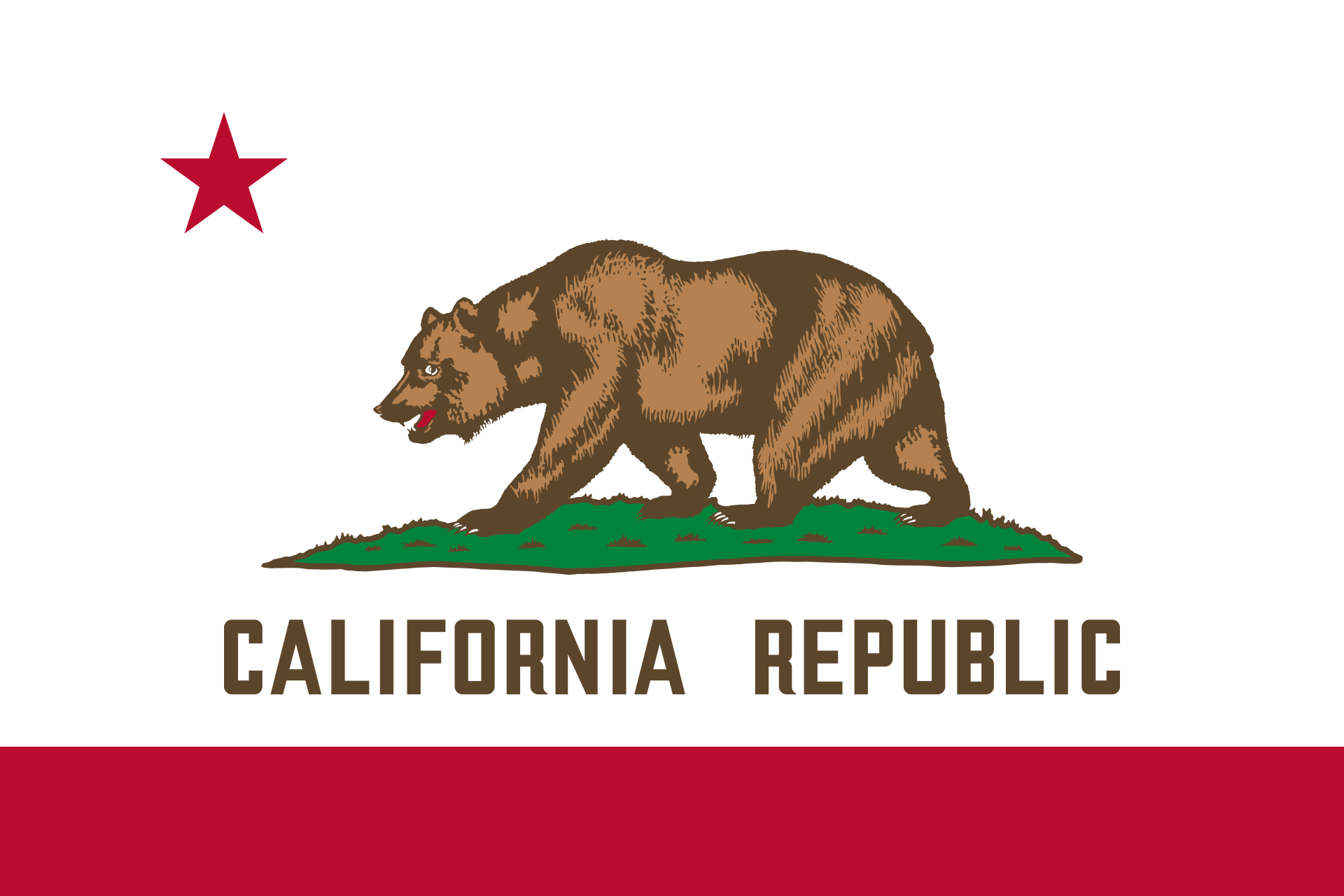
California plateFish tacosProduce-forward menus buy fresh and daily, so cash timing matters more than storage volume
Financing terms on this page
Definitions for the terms used above. Every term links to its entry in the full glossary.
A loan or lease tied to a specific machine. The machine itself is the security, so approval leans on the value of the hardware more than on your bank statements.
The city or county reading your kitchen drawings before you are allowed to build. Nothing gets installed until it clears, and rent runs the whole time.
Money for the work that turns a space into a working kitchen: plumbing, electrical, hoods, walls, and permits. It pays for labor and materials you cannot resell, so it is priced differently than money for a fryer.
A formal credit check that shows on your report and can move your score a few points. It happens only after you pick a specific lender, not to get information.
A preapproved pool of money you pull from only when you need it, then pay back and reuse. You pay for what you draw, not for the full amount sitting there.
Yes. Food service operators in California are referred for equipment financing, working capital, lines of credit, SBA loans, and buildout capital. Program availability varies by state. Merchant cash advance and other revenue-based financing structures are not offered to businesses in Texas, Virginia, or Connecticut.
How fast can a California restaurant get funded?
Short term programs commonly fund in 1 to 3 business days and equipment requests in 1 to 5. SBA financing in California runs 3 to 12 weeks.
How do California labor costs change what a lender will approve?
Lenders read payroll as a fixed obligation here rather than a variable one, so cash flow programs get sized against a thinner margin. Operators often split the request: equipment on secured paper, and a smaller working capital line reserved for payroll timing.
Which California cities do you serve?
All of them. Operators we work with in California run in Los Angeles, San Diego, San Francisco, San Jose, Sacramento, Fresno, and Oakland, along with smaller markets across the state. Underwriting reviews deposits and the use of funds, not the population of the market.
What documents do California operators need?
For the first review, just the form. If you choose a short term program, the lender usually asks for 3 to 6 months of business bank statements. SBA adds tax returns, interim financials, and a debt schedule.
Does California licensing affect financing?
Licensing affects buildout timelines and, in some transactions, collateral value. Include local permitting details in the request so a funding partner can account for them when structuring financing.
Do I need a hard credit pull to start in California?
No. Our team reviews your request and looks for a funding partner that fits without a hard credit pull. A funding partner discusses programs with you and obtains your authorization before any hard credit pull.
What is buildout and expansion, and when does it fit a California operator?
Construction money for the work that turns a space into a working kitchen, usually released in stages as the job progresses. Use it for a second location, a remodel, a patio, or a kitchen conversion, and size it to cover the permit wait, not just the build. Typical size is 50,000 to 2,000,000, funding runs 1 to 4 weeks once you choose an offer, and you repay it as fixed payment, often with a draw schedule. You will be asked for: application, contractor bids, lease, financials.
What is equipment financing, and when does it fit a California operator?
You borrow against a specific machine, and the machine is what backs the loan. Use it when a fryer, a walk-in, an oven, or a vehicle has to be replaced and you would rather keep the cash in the account. Typical size is 5,000 to 500,000, funding runs 1 to 5 business days once you choose an offer, and you repay it as fixed monthly payment. You will be asked for: application, equipment quote, bank statements.
What is working capital, and when does it fit a California operator?
Cash for the everyday gaps, repaid out of sales on a set schedule instead of at the end of a project. Use it for payroll, inventory, a slow stretch, or a job you have to fund before the client pays you. Typical size is 10,000 to 500,000, funding runs 1 to 3 business days once you choose an offer, and you repay it as fixed daily, weekly, or monthly payment. You will be asked for: application, 3 to 6 months of bank statements.
Why does the California calendar change what I should borrow?
Coastal rooms run steady, valley volume follows the harvest, and mountain and beach towns swing hard. One operator can carry all 3 patterns at once.
What does waiting actually cost me in California?
County health plan review and city permits run separately, and neither cares that rent is due. Every extra month of review is a month of rent and retained staff with no sales.
Which program do most California operators end up using?
Buildout money should cover the permit wait, not just the construction. Underfunding that gap is the single most common mistake here. That is a starting point, not a decision. Our team reviews your deposits, time in business, and use of funds before looking for a funding partner that fits.
Does asking about financing in California affect my credit?
No. Getting information is a conversation, not an application. There is no credit application and no hard credit pull until you have picked a specific lender and want to move forward.
A location page indicates that Foody Finance is taking clients in that market. It does not represent a physical office, storefront, or licensed presence in that city or state. All services are delivered remotely by our US-based team.
Start the conversation
Send a request before you fill out an application
Start with a free, no-obligation request. Our team reviews it and looks for a funding partner that fits.