Industry
Food Trucks financing
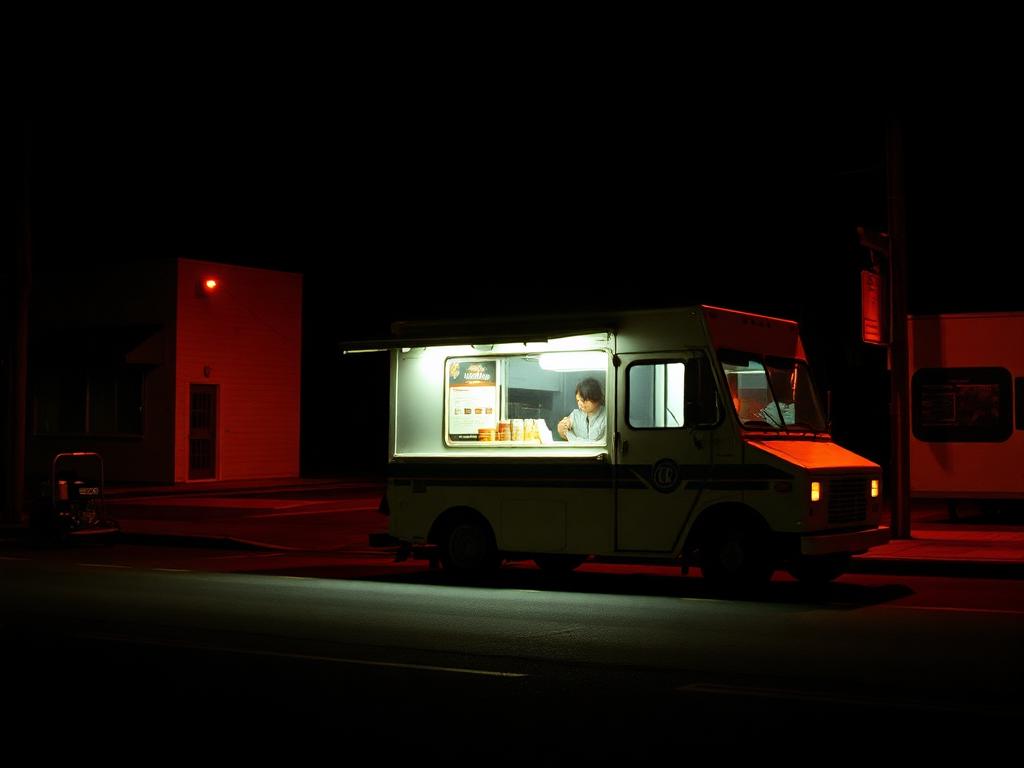
A food truck is a kitchen and a vehicle at once, which means two maintenance schedules and two failure modes. Downtime is total: when the truck stops, revenue stops.
Illustrative image generated with AI.
How do food trucks get financing?
Food truck financing covers the truck or trailer, the kitchen build inside it, generators, wraps, and the working capital that covers festival fees paid in advance. The vehicle itself can secure the transaction, which helps newer operators qualify.
The pressure points
- /Vehicle and kitchen both require upkeep
- /Festival and event fees are paid in advance
- /Fleet growth requires capital ahead of bookings
What this does to your numbers
Weather, events, and permits decide the week. Two rained out weekends in a row can undo a strong month, and the truck payment does not move.
What the wait actually costs
A truck down is the whole business down. Every day in the shop is a day of zero revenue, plus the commissary rent and the crew you are trying not to lose.
What underwriting reads first for food trucks
Card and event revenue, how long you have operated, the age and title status of the truck, and whether you have a commissary agreement in place.
Programs that usually fit
Equipment Financing
Fund ovens, walk-ins, fryers, POS, and vehicles without draining cash
Working Capital
Cover payroll, inventory, and slow months without stalling the operation
Merchant Cash Advance
Repayment that moves with daily card volume instead of a fixed date
Which program usually fits here
The truck finances against its title, closer to a vehicle than to a kitchen, and the equipment inside it can be a separate request with a different term.
Financing terms on this page
Definitions for the terms used above. Every term links to its entry in the full glossary.
- commissary
- A licensed production kitchen used to prep off site, most often by trucks and catering operations. It carries its own rent, equipment, and permits.
- term
- How long you have to repay. A longer term lowers the monthly payment and raises what the money costs in total.
Every program a food truck operator can use
Amount, term, speed, cost structure, and qualification for all 6 programs, so you can see what fits before any credit application exists
| Typical amount | Term | Time to funding | Cost structure | |
|---|---|---|---|---|
| Equipment Financing | 5,000 to 500,000 | 24 to 84 months | 1 to 5 business days | Fixed monthly payment |
| Working Capital | 10,000 to 500,000 | 3 to 18 months | 1 to 3 business days | Fixed daily, weekly, or monthly payment |
| SBA Loans | 50,000 to 5,000,000 | 10 to 25 years | 3 to 12 weeks | Amortized interest, lowest payment of any program |
| Business Line of Credit | 10,000 to 250,000 | Revolving, reviewed periodically | 2 to 7 business days | Interest on the drawn balance only |
| Merchant Cash Advance | 5,000 to 250,000 | Repaid as card volume arrives | 1 to 3 business days | Factor rate, highest total cost |
| Buildout and Expansion | 50,000 to 2,000,000 | 36 to 84 months | 1 to 4 weeks | Fixed payment, often with a draw schedule |
Estimates, not offers: Amounts, terms, and funding times are estimates based on programs commonly available in food service. Actual terms vary by program, lender underwriting, time in business, revenue, and credit profile. Nothing here is an offer of credit or a guarantee of approval. See source and method.
| Time in business | Credit | Revenue | Collateral | |
|---|---|---|---|---|
| Equipment Financing | Month 1 with a down payment, common by month 6 | Options below 600, best terms above 700 | No minimum when the quote and asset are strong | The equipment itself |
| Working Capital | 6 months of deposits | Options below 600, pricing improves above 650 | About 15,000 per month in deposits | General business lien, no specific asset |
| SBA Loans | 2 or more years, exceptions for acquisitions | 660 and above with clean recent history | Documented profit and debt service coverage | Business assets, often real estate, plus a personal guarantee |
| Business Line of Credit | 12 months | 650 and above for most limits | Consistent monthly deposits across 12 months | General business lien |
| Merchant Cash Advance | 4 to 6 months of card processing history | Options in the low 500s | About 10,000 per month in card volume | Future card receivables |
| Buildout and Expansion | 12 months, or a funded project with an executed lease | 650 and above for most structures | Sized to the project and the operator contribution | The project, with 10 to 30 percent operator contribution |
Estimates, not offers: Amounts, terms, and funding times are estimates based on programs commonly available in food service. Actual terms vary by program, lender underwriting, time in business, revenue, and credit profile. Nothing here is an offer of credit or a guarantee of approval. See source and method.
Every request
- /Completed program application with ownership details
- /3 to 6 months of business bank statements
- /Time in business and entity details
Equipment and buildout
- /Vendor quote including delivery, installation, and freight
- /Contractor bids and the draw schedule on construction
- /Executed lease for the space
SBA and conventional term
- /3 years of business and personal tax returns
- /Interim profit and loss statement and balance sheet
- /Debt schedule and personal financial statement
- /Purchase agreement and seller financials on an acquisition
Run the numbers first
Three free tools that show what food trucks are actually operating on, before any funding request is submitted
Financing built for food trucks
Guides and calculators for food trucks
Food Trucks financing questions
Can I finance the truck itself?
Yes. Trucks and trailers, new or used, are financed as equipment, with the unit securing the transaction. Down payments are common on used units.
How much does a food truck cost to finance?
Fully built units commonly run 75,000 to 175,000. Trailers run less. Payments are typically spread across 36 to 72 months.
Can I finance a second truck?
Yes, and a second unit is often easier to finance than the first because the operating history is documented.
What about festival and event fees?
Those are working capital, since fees are paid weeks before the revenue arrives. A small line of credit is the cleanest tool.
Can I qualify with under a year in business?
Equipment financing on the truck is realistic. Unsecured working capital usually is not until 6 months of deposits exist.