Yes. Foody Finance works with restaurants, bars, caterers, food trucks, ghost kitchens, and distributors across Ohio. Equipment requests commonly fund in 1 to 5 business days, working capital in 1 to 3, and SBA financing in 3 to 12 weeks.
Estimates, not offers: Amounts, terms, and funding times are estimates based on programs commonly available in food service. Actual terms vary by program, lender underwriting, time in business, revenue, and credit profile. Nothing here is an offer of credit or a guarantee of approval. See source and method.
How Ohio actually makes its money in food
01
What Ohio actually orders
Cincinnati chili, ladled over spaghetti with a cinnamon and clove-spiced meat sauce and topped with shredded cheddar, is sold almost exclusively within a roughly 100 mile radius of Cincinnati, and chains like Skyline and Gold Star compete street corner to street corner there. Cleveland's Polish Boy, a kielbasa sandwich topped with fries and coleslaw, and pierogi plates trace directly to the city's Eastern European settlement pattern. LTL sandwiches, lettuce tomato and fried bologna, remain a Columbus-area specific order that confuses visitors from either end of the state. Columbus supports a fast-growing fast casual and chef-driven scene tied to Ohio State's student population and the city's tech and insurance sector growth. Buckeyes candy, peanut butter balls dipped in chocolate, sell as a dessert menu item statewide every football season. Toledo and the northwest corner lean toward a Great Lakes perch and walleye fry tradition tied to Lake Erie's commercial fishing fleet. Amish country in Holmes County supports a family-style broasted chicken and pie tradition that draws tourist bus traffic distinct from any urban dining pattern. A single Ohio menu cannot serve Cincinnati chili loyalists and Cleveland Polish Boy loyalists equally, and that regional split forces multi-unit brands expanding statewide to localize at least a quarter of the menu per market.
02
How Ohio's food economy was built
German immigration into Cincinnati in the 19th century built the city's chili parlors, run largely by later Greek and Macedonian immigrant families starting in the 1920s who adapted the recipe from Mediterranean spice traditions, which is why Cincinnati chili tastes closer to a Greek meat sauce than Texas chili. Cleveland's steel mill and shipping economy pulled Polish, Slovak, Hungarian, and Italian workers into neighborhoods like Slavic Village and Tremont, and their parish halls still run pierogi and kielbasa fundraisers. The Erie Canal and later Lake Erie shipping built Toledo and Sandusky as freight towns whose diners fed dock and rail workers on fixed schedules. Columbus grew around Ohio State University and state government employment rather than heavy industry, which is why its restaurant scene skews younger and more experimental than Cleveland's or Cincinnati's legacy institutions. Dayton and Akron built manufacturing-town food service tied to aviation and rubber industry shift work, both of which contracted sharply in the late 20th century and left family-owned diners without the factory lunch crowds they were built for. Amish and Mennonite settlement in Holmes and Wayne counties since the early 1800s built a distinct agricultural tourism economy around family-style restaurants. Ownership today splits between long-established immigrant-founded chains in Cincinnati and Cleveland and newer independent operators in Columbus, a divide that determines who owns their building outright and who is leveraged into a growth-stage lease.
03
The calendar that carries the year
Ohio State football Saturdays from late August through the Big Ten championship in early December drive the single largest recurring revenue surge in Columbus, filling bars and restaurants across the city on a schedule set entirely by the athletic department. Oktoberfest events in Cincinnati, one of the largest in the country, pack the riverfront every September. The Cuyahoga County and Cleveland area holiday season around Playhouse Square extends restaurant traffic downtown from Thanksgiving through New Year's. The Ohio State Fair in Columbus in late July and early August draws statewide crowds for two weeks. Cedar Point's operating season in Sandusky from May through October drives nearly all annual revenue for restaurants along the Lake Erie shoreline there, with almost nothing left over the winter. Amish country tourism in Holmes County peaks in October during leaf season and again around Christmas. Dayton and Akron's manufacturing-tied payroll cycles create biweekly spending spikes that smaller operators still track closely. Winter lake effect snow off Lake Erie depresses traffic in Cleveland, Toledo, and Sandusky from December through February more severely than it does in Columbus or Cincinnati, which sit further from the lake. That split between a lake-effect winter slowdown in the north and a football-driven fall surge in Columbus means a statewide brand's slowest and busiest months differ by region.
04
Who runs Ohio's restaurants
Cincinnati chili parlors remain dominated by two competing regional chains built on decades-old family ownership structures, alongside independent single-location parlors that have operated unchanged for generations. Cleveland's ethnic neighborhood restaurants skew family owned and multi-generational, particularly in Slavic Village, Little Italy, and Tremont. Columbus attracts a disproportionate share of the state's group-operated and multi-concept restaurant companies, tied to the city's younger population and steadier job growth. Franchise density runs highest along suburban corridors outside Columbus, Dayton, and Cincinnati, particularly near interstate interchanges. Ohio's minimum wage sits above the federal floor and adjusts annually with inflation, giving operators a predictable but rising labor cost baseline. Labor availability tightened notably in Columbus as the city's population grew faster than its housing stock, pushing commute times up for hourly workers. Cleveland and Akron face the opposite pressure, with a shrinking working-age population making it harder to staff second and third shifts even though wages are comparatively affordable. Amish country restaurants in Holmes County rely heavily on the local Amish and Mennonite community itself for both ownership and staffing, a labor pool largely insulated from the wage competition affecting the rest of the state. That regional split between a tight Columbus labor market and a shrinking Cleveland-area one means a single operator expanding both cities faces different payroll pressure in each.
05
What it costs to operate here
Commercial rent in downtown Columbus has climbed with the city's growth, particularly in the Short North and around the Ohio State campus area, while comparable Cleveland and Cincinnati neighborhoods, especially those still recovering from population loss, offer space at a discount. AEP and Duke Energy rates in Ohio run close to the national average, without the utility cost advantage some neighboring states enjoy. Cincinnati chili operators source spice blends and meat through supply chains built decades ago, giving legacy chains a cost advantage over new entrants trying to replicate the flavor profile from scratch. Cleveland's proximity to Lake Erie keeps freshwater fish costs for perch and walleye lower than inland competitors sourcing the same species, but the commercial catch has shrunk over recent decades, pushing prices up in years with weak hatches. Insurance and liability costs in Cleveland and Cincinnati's older commercial building stock run higher due to aging infrastructure and code compliance requirements for pre-war buildings. Property tax cycles vary widely by county, with fast-appreciating Franklin County around Columbus reassessing more aggressively than slower-growth counties in the state's east. Dayton and Akron's lower rents partly offset their weaker foot traffic, but recovering manufacturing-town commercial corridors still carry deferred maintenance costs on older buildings that surface unexpectedly and require sudden capital outlays.
06
Where Ohio is expanding
New restaurant growth in Columbus concentrates in fast-growing suburbs like Dublin, Westerville, and New Albany, alongside the Intel semiconductor project east of the city in Licking County, which has pulled new franchise development toward New Albany and Johnstown ahead of the plant's full workforce arrival. Cincinnati's growth centers on Over-the-Rhine, a formerly disinvested neighborhood now dense with new openings, and on the northern suburbs along the I-71 corridor. Cleveland's growth is more selective, concentrated in the Gordon Square and Ohio City neighborhoods and the downtown riverfront redevelopment, while older inner-ring suburbs see closures rather than openings. Dayton's growth ties to its aviation and defense-adjacent employment base around Wright-Patterson Air Force Base. Akron and Canton see steady franchise expansion but little independent growth given slower population trends. Buildout costs and permitting timelines vary sharply by municipality, with fast-growing suburbs like Dublin and New Albany imposing stricter design review standards than older urban cores looking to fill vacant storefronts. The Intel project's timeline has already caused speculative commercial development to outpace confirmed demand in parts of Licking County, and operators signing leases ahead of the plant's actual hiring ramp face a real risk of vacancy-adjacent buildout delays if workforce arrival slips behind the construction schedule.
Licensing and permitting in Ohio, and what it costs to wait
Local health districts issue food service operation licenses under state code.
Local health approval and state liquor permits rarely land on the same day, and the gap between them is what working capital covers.
What Ohio operators finance
Equipment financing, buildouts, and acquisitions are all common uses of capital here.
The Ohio revenue calendar
College and pro sports calendars swing weekend volume, and the three major metros run steady weekday business with a January and February dip.
Revenue mix and seasonality in Ohio
Three distinct metro markets plus college towns give steady weekday and weekend volume, with winter softening dining rooms and pushing revenue toward delivery.
What this does to your numbers
College and pro sports calendars swing weekends, the 3 major metros run steady weekday business, and January is the reliable soft month.
What a delay costs in Ohio
Older urban buildings usually need a utility upgrade during buildout, and quota based liquor permits can hold an opening after the work is done.
What underwriting looks at in Ohio
01Older urban building stock requires utility upgrades during buildout
02Liquor permit availability is quota based in many jurisdictions
03Lower occupancy costs make second location economics work earlier than in coastal markets
Which program usually fits here
Lower occupancy cost makes a second location pencil earlier here, which is why expansion requests come earlier in the life of the business.
Markets we serve in Ohio
We work with operators across Ohio, including Columbus, Cleveland, Cincinnati, Dayton, Toledo, and Akron. Rural and small market operators qualify for the same programs.
College and pro sports calendars swing weekend volume, and the three major metros run steady weekday business with a January and February dip
Older urban building stock requires utility upgrades during buildout
Acquisition, refinance, or a longer buildout
Estimates, not offers: Amounts, terms, and funding times are estimates based on programs commonly available in food service. Actual terms vary by program, lender underwriting, time in business, revenue, and credit profile. Nothing here is an offer of credit or a guarantee of approval. See source and method.
Educational only. Not an offer to lend, a commitment to fund, or a rate quote. Figures are illustrative and actual terms are set by the funding partner after underwriting. Downloading this does not create a brokerage, advisory, or fiduciary relationship with Foody Finance.
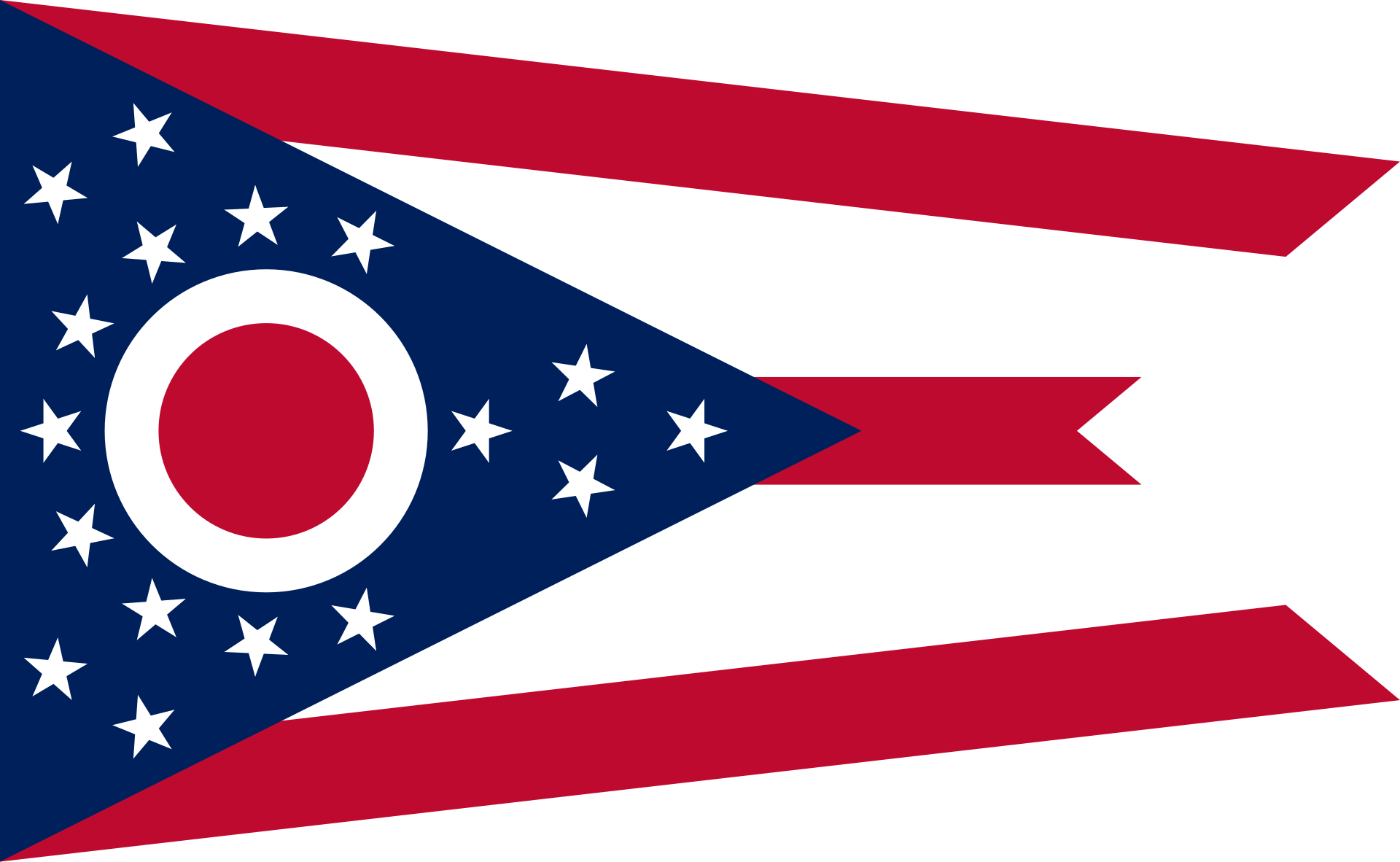
One page PDF with the Ohio timelines table and the state plate photo
Ohio plateCincinnati chiliHolding and batch capacity carries volume here, which keeps kettle and warmer requests common
Financing terms on this page
Definitions for the terms used above. Every term links to its entry in the full glossary.
A loan or lease tied to a specific machine. The machine itself is the security, so approval leans on the value of the hardware more than on your bank statements.
Money for the work that turns a space into a working kitchen: plumbing, electrical, hoods, walls, and permits. It pays for labor and materials you cannot resell, so it is priced differently than money for a fryer.
A formal credit check that shows on your report and can move your score a few points. It happens only after you pick a specific lender, not to get information.
A preapproved pool of money you pull from only when you need it, then pay back and reuse. You pay for what you draw, not for the full amount sitting there.
Yes. Food service operators in Ohio are referred for equipment financing, working capital, lines of credit, SBA loans, and buildout capital. Program availability varies by state. Merchant cash advance and other revenue-based financing structures are not offered to businesses in Texas, Virginia, or Connecticut.
How fast can a Ohio restaurant get funded?
Short term programs commonly fund in 1 to 3 business days and equipment requests in 1 to 5. SBA financing in Ohio runs 3 to 12 weeks.
When does an Ohio operator qualify for expansion financing?
Usually once the first location shows 12 months of consistent deposits and the lease for the second is identified. Lenders want to see that the existing unit can service the new obligation on its own.
Which Ohio cities do you serve?
All of them. Operators we work with in Ohio run in Columbus, Cleveland, Cincinnati, Dayton, Toledo, and Akron, along with smaller markets across the state. Underwriting reviews deposits and the use of funds, not the population of the market.
What documents do Ohio operators need?
For the first review, just the form. If you choose a short term program, the lender usually asks for 3 to 6 months of business bank statements. SBA adds tax returns, interim financials, and a debt schedule.
Does Ohio licensing affect financing?
Licensing affects buildout timelines and, in some transactions, collateral value. Include local permitting details in the request so a funding partner can account for them when structuring financing.
Do I need a hard credit pull to start in Ohio?
No. Our team reviews your request and looks for a funding partner that fits without a hard credit pull. A funding partner discusses programs with you and obtains your authorization before any hard credit pull.
What is equipment financing, and when does it fit a Ohio operator?
You borrow against a specific machine, and the machine is what backs the loan. Use it when a fryer, a walk-in, an oven, or a vehicle has to be replaced and you would rather keep the cash in the account. Typical size is 5,000 to 500,000, funding runs 1 to 5 business days once you choose an offer, and you repay it as fixed monthly payment. You will be asked for: application, equipment quote, bank statements.
What is buildout and expansion, and when does it fit a Ohio operator?
Construction money for the work that turns a space into a working kitchen, usually released in stages as the job progresses. Use it for a second location, a remodel, a patio, or a kitchen conversion, and size it to cover the permit wait, not just the build. Typical size is 50,000 to 2,000,000, funding runs 1 to 4 weeks once you choose an offer, and you repay it as fixed payment, often with a draw schedule. You will be asked for: application, contractor bids, lease, financials.
What is working capital, and when does it fit a Ohio operator?
Cash for the everyday gaps, repaid out of sales on a set schedule instead of at the end of a project. Use it for payroll, inventory, a slow stretch, or a job you have to fund before the client pays you. Typical size is 10,000 to 500,000, funding runs 1 to 3 business days once you choose an offer, and you repay it as fixed daily, weekly, or monthly payment. You will be asked for: application, 3 to 6 months of bank statements.
Why does the Ohio calendar change what I should borrow?
College and pro sports calendars swing weekends, the 3 major metros run steady weekday business, and January is the reliable soft month.
What does waiting actually cost me in Ohio?
Older urban buildings usually need a utility upgrade during buildout, and quota based liquor permits can hold an opening after the work is done.
Which program do most Ohio operators end up using?
Lower occupancy cost makes a second location pencil earlier here, which is why expansion requests come earlier in the life of the business. That is a starting point, not a decision. Our team reviews your deposits, time in business, and use of funds before looking for a funding partner that fits.
Does asking about financing in Ohio affect my credit?
No. Getting information is a conversation, not an application. There is no credit application and no hard credit pull until you have picked a specific lender and want to move forward.
A location page indicates that Foody Finance is taking clients in that market. It does not represent a physical office, storefront, or licensed presence in that city or state. All services are delivered remotely by our US-based team.
Start the conversation
Send a request before you fill out an application
Start with a free, no-obligation request. Our team reviews it and looks for a funding partner that fits.