Back to LocationsAll 50 states
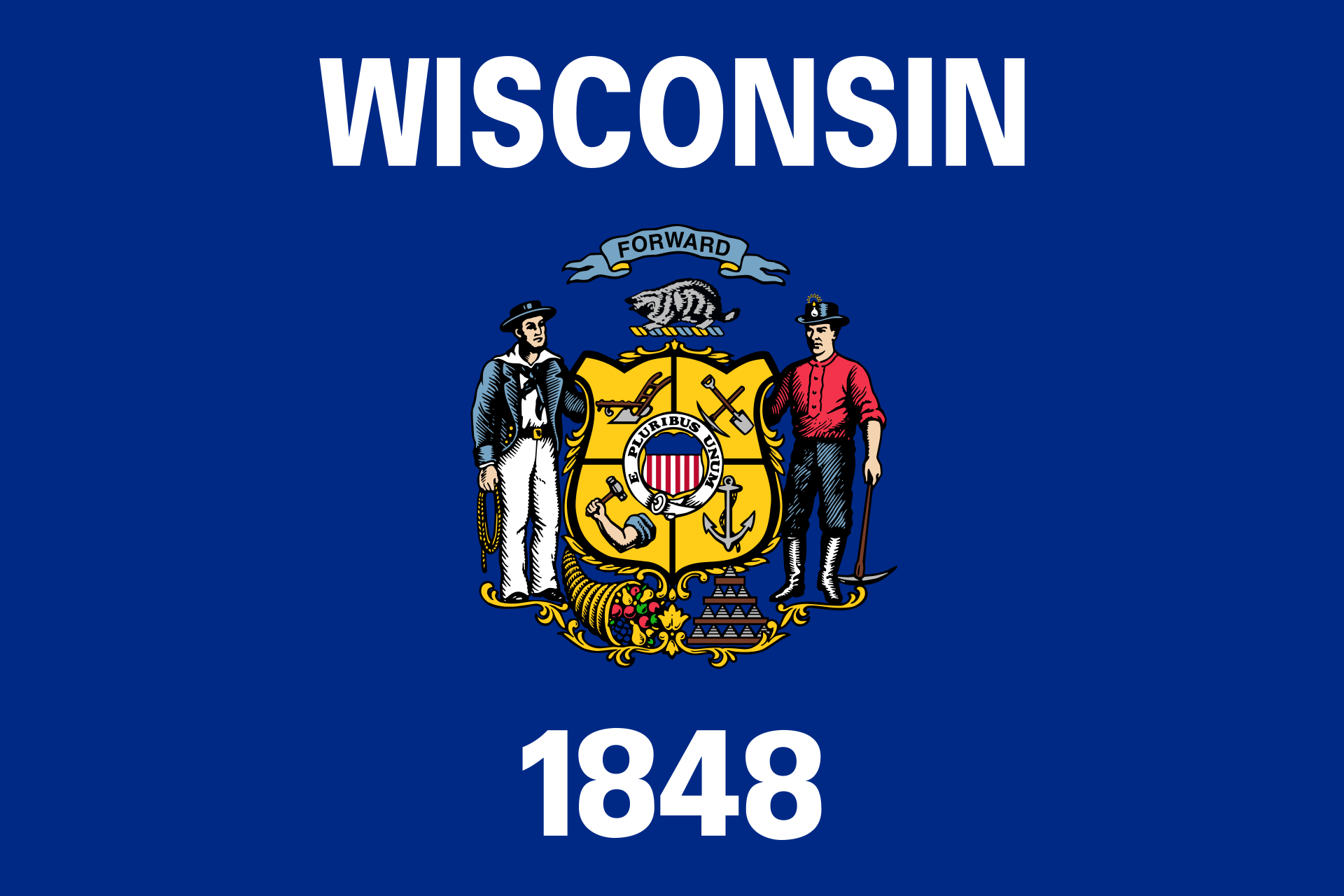
Flag of Wisconsin

WI coverage

RESTAURANT AND FOOD SERVICE FINANCING IN WISCONSIN

Wisconsin supper clubs, taverns, and supper service traditions create a bar and restaurant hybrid that lenders often misread.

Flag of Wisconsin. Public domain, via Wikimedia Commons.

Can food businesses in Wisconsin get financing?

Yes. Foody Finance works with restaurants, bars, caterers, food trucks, ghost kitchens, and distributors across Wisconsin. Equipment requests commonly fund in 1 to 5 business days, working capital in 1 to 3, and SBA financing in 3 to 12 weeks.

Estimates, not offers: Amounts, terms, and funding times are estimates based on programs commonly available in food service. Actual terms vary by program, lender underwriting, time in business, revenue, and credit profile. Nothing here is an offer of credit or a guarantee of approval. See source and method.

How Wisconsin actually makes its money in food

01

What Wisconsin actually orders

Fish fry on Friday nights is a fixture statewide, beer-battered cod or walleye served with rye bread and coleslaw at supper clubs from Eau Claire to Sheboygan, a tradition that traces back to Catholic parishes observing meatless Fridays. Milwaukee holds a butter burger and bratwurst culture, with bratwurst simmered in beer and onions before grilling, especially heavy around Sheboygan, which calls itself the bratwurst capital. Cheese curds, fresh and squeaky, are sold fried at fairs and plain at gas stations across the dairy belt. Kringle, a Danish pastry, centers on Racine, home to bakeries that ship it nationwide during the holidays. The supper club format itself, a relic of the mid-20th century with relish trays, brandy old fashioneds, and prime rib, still operates in the Northwoods around Minocqua and Rhinelander. Madison's food identity leans toward the university and the Dane County Farmers Market, the largest producer-only market in the country, ringing the capitol square every Saturday. Menu prices in small dairy towns stay modest, but Madison and Milwaukee carry pricing closer to regional metro averages, meaning statewide chains and franchisees price two different menus depending on which half of the state they're in, complicating any single pricing strategy across a multi-unit footprint.
02

How dairy, beer, and German settlement built the menu

German, Polish, and Scandinavian immigrants settled Wisconsin through the 1800s to farm and later to work breweries, and their descendants still own many of the state's supper clubs and sausage shops, particularly around Sheboygan, Manitowoc, and the Fox Valley. Milwaukee's brewing history, built by Pabst, Schlitz, and Miller, established a beer-first bar culture that persists in the city's tied-house tavern buildings, many still operating as bars or restaurants today. The dairy industry, centered on counties like Green and Marathon, built a farm-to-table supply chain long before that became a marketing phrase, and cheese factory outlet stores double as informal restaurants in small towns. Door County's cherry orchards and fishing villages created the fish boil tradition, a lakeside cooking method now performed as tourist entertainment as much as meal. Madison grew as both the state capital and home to the University of Wisconsin, layering government and student dining onto the agricultural base. Native ownership persists strongest in the Northwoods and along Lake Superior, where Ojibwe communities run casinos with attached restaurants. This inherited concentration of ownership in a handful of ethnic and regional pockets means a new operator entering Sheboygan or Green County competes against multi-generation family recipes that customers already consider the baseline, a reputational hurdle before the first dollar of revenue arrives.

03

The Wisconsin calendar, from ice fishing to Summerfest

Green Bay Packers game days from September through January drive massive bar and restaurant traffic across the entire state, not just Green Bay, because fan loyalty extends statewide. Summerfest in Milwaukee, held over multiple weekends in late June and July, is one of the largest music festivals in the country and floods downtown restaurants and bars for its run. Door County's tourist season peaks July through August and again during fall color in October, with many restaurants closing entirely from January through March. Ice fishing season, December through February, sustains bait shop diners and lakeside bars in the Northwoods that would otherwise go dormant. The Wisconsin State Fair in West Allis runs eleven days in early August and is built around fried and novelty food vendors. Oktoberfest events in La Crosse and other German-settled towns anchor September weekends. Lent drives fish fry volume even higher than its year-round baseline, with Ash Wednesday through Easter marking the peak weeks for supper clubs. Dairy county fairs run through summer, tied to 4-H and agricultural show schedules. Because so much of the state's restaurant revenue clusters around a football season, a summer festival calendar, and a Lenten fish fry peak, operators outside Madison and Milwaukee often bank the bulk of annual profit in a five-month window and stretch it through a slow winter.

04

Who runs the kitchen in Wisconsin

Family ownership dominates the supper club and tavern segment, with many establishments passed down two or three generations, particularly in Sheboygan, Manitowoc, and the Fox Valley counties. Franchise density is heaviest along Interstate 94 between Milwaukee and Madison and in fast-growing suburbs like Waukesha and Brookfield, where national chains compete directly with local operators for both customers and staff. Wisconsin's minimum wage sits at the federal floor, but Madison and Milwaukee employers pay above it to compete with university and healthcare system jobs, both major regional employers. Rural counties face real labor shortages tied to population aging and out-migration of younger workers to Minneapolis or Chicago, forcing small-town supper clubs to trim hours or open fewer nights per week. Seasonal tourism towns like Door County and the Wisconsin Dells import labor for summer, often housing workers on-site because local rental inventory is too thin to support a seasonal workforce surge. Hmong and Latino immigrant communities, concentrated around Wausau, Eau Claire, and Milwaukee, increasingly own restaurants that blend those cuisines with Wisconsin staples. This dependence on imported seasonal labor in tourist counties means owners commit to housing and transportation costs months before the summer revenue that's supposed to cover them actually arrives.

05

What it costs to run a kitchen here

Commercial rent in Wisconsin runs below national averages outside downtown Madison and Milwaukee's East Side and Third Ward, where redevelopment has pushed lease rates toward levels comparable to other Midwest metros like Minneapolis. Dairy and protein sourcing is a genuine local advantage: Wisconsin produces more cheese than any other state, and proximity to dairy processors in counties like Green and Clark keeps cheese and butter costs lower and more stable than in states that truck those inputs in. Produce is more seasonal and constrained, with a short growing season meaning many vegetables still route through Chicago or Twin Cities distribution during winter months, adding cost November through April. Winter heating costs run high across the state, and lake-effect snow near Lake Michigan and Lake Superior can shut down deliveries and staff commutes for days at a stretch. Workers' compensation and liability insurance track close to the Midwest average, though older tavern buildings, many over a century old, carry higher property insurance due to outdated electrical and fire systems. Door County and the Dells see rent spike seasonally as landlords charge tourism-season premiums on short leases. This combination of cheap dairy input costs and expensive winter logistics means margins swing by season more than by location, squeezing cash flow hardest in the exact months when heating bills peak and produce costs are highest.

06

Where the next Wisconsin location opens

New restaurant growth concentrates in the Milwaukee suburbs of Waukesha, Brookfield, and Franklin, and in the Madison suburbs of Sun Prairie, Fitchburg, and Middleton, all benefiting from steady population inflow and new housing construction. The Fox Valley corridor between Appleton and Green Bay continues adding both chain and independent locations, supported by manufacturing employment and steady population. Eau Claire has seen growth tied to University of Wisconsin-Eau Claire enrollment and a revitalized downtown arts district. Door County and the Wisconsin Dells add seasonal capacity almost every year, though much of that growth is short-season and doesn't support year-round staffing. Rural dairy counties in the state's center and northwest, by contrast, see net restaurant closures as population ages and shrinks, with fewer replacement operators willing to take over shuttered supper clubs. Milwaukee's downtown and Third Ward have added dense restaurant space tied to condo and apartment development. Because the state's growth splits sharply between Milwaukee-Madison suburban expansion and rural county contraction, an operator scaling beyond one location faces two entirely different buildout cost structures, with suburban Waukesha County land and construction costs running well above what the same square footage costs in a shrinking dairy county two hours north.

Licensing and permitting in Wisconsin, and what it costs to wait

The Department of Agriculture, Trade and Consumer Protection licenses food establishments, with agent municipalities handling local inspection.

Municipal liquor licenses are limited in many communities, so the license itself becomes part of the acquisition amount rather than a fee at the counter.

What Wisconsin operators finance

Inventory heavy working capital and equipment financing lead demand.

The Wisconsin revenue calendar

Summer and fall carry tourism markets like Door County, football weekends spike Green Bay, and winter runs lean outside the metros.

Revenue mix and seasonality in Wisconsin

Summer and supper club season carry a large share of the year, Packers and college calendars concentrate weekends, and municipal license limits shape how much bar revenue is even available.

What this does to your numbers

Summer, festival season, and football weekends carry the year, and deep winter runs on regulars and delivery.

What a delay costs in Wisconsin

Supper club and tavern concepts carry heavy inventory, and winter heating stays fixed while covers drop for months.

What underwriting looks at in Wisconsin

  • 01Supper club and tavern concepts carry inventory heavy bar programs
  • 02Municipal liquor license quotas affect availability in several cities
  • 03Winter heating costs stay fixed while covers decline

Which program usually fits here

A line of credit smooths the winter without forcing the summer to carry a bigger fixed payment all year.

Markets we serve in Wisconsin

We work with operators across Wisconsin, including Milwaukee, Madison, Green Bay, Appleton, Kenosha, and Door County. Rural and small market operators qualify for the same programs.

Milwaukee financingMadison financingGreen BayAppletonKenoshaDoor County

Metro market pages in Wisconsin

Food service operation in Wisconsin
Illustrative image generated with AI.
Wisconsin outline. Boundary data: US Census Bureau cartographic boundary files, public domain. Simplified for display.

Free review, no hard credit pull

Get funds now and review your options

Step 01 of 03 · Your operation

A specialist reviews every request and reaches out the same business day

Typical Wisconsin timelines
 Working capitalEquipmentSBA
Time to funding1 to 3 business days1 to 5 business days3 to 12 weeks
Documents3 to 6 months of bank statementsEquipment quote plus statementsTax returns, financials, debt schedule
Common use in this stateSummer and fall carry tourism markets like Door County, football weekends spike Green Bay, and winter runs lean outside the metros.Supper club and tavern concepts carry inventory heavy bar programsAcquisition, refinance, or a longer buildout

Estimates, not offers: Amounts, terms, and funding times are estimates based on programs commonly available in food service. Actual terms vary by program, lender underwriting, time in business, revenue, and credit profile. Nothing here is an offer of credit or a guarantee of approval. See source and method.

One page PDF with the Wisconsin timelines table and the state plate photo.

Wisconsin plateFried cheese curdsBar inventory ties up more capital than the kitchen does, and a revolving line handles the winter gap better.

Financing terms on this page

Definitions for the terms used above.

working capital
Cash for the everyday gaps: payroll, inventory, rent, and repairs. It is repaid out of daily or weekly sales rather than from one big event.
equipment paper
A loan or lease tied to a specific machine. The machine itself is the security, so approval leans on the value of the hardware more than on your bank statements.
covers
The number of guests served. Lenders pair it with check average to judge how reliable a month really is.
line of credit
A preapproved pool of money you pull from only when you need it, then pay back and reuse. You pay for what you draw, not for the full amount sitting there.
draw
Taking money out of an approved line or loan. Draws tied to construction milestones mean you only start paying interest on each piece as you use it.
hard credit pull
A formal credit check that shows on your report and can move your score a few points. It happens only after you pick a specific lender, not to get information.
SBA loan
A bank loan partly guaranteed by the Small Business Administration. Lowest cost of the options, longest paperwork, and the slowest to fund.
underwriting
The lender reading your numbers to decide how much risk you are. Bank statements, time in business, and existing debt carry the most weight.
merchant cash advance
You sell a slice of future card sales for cash today. Fastest money available, and the most expensive, so it fits an emergency rather than a plan.
term
How long you have to repay. A longer term lowers the monthly payment and raises what the money costs in total.
buildout capital
Money for the work that turns a space into a working kitchen: plumbing, electrical, hoods, walls, and permits. It pays for labor and materials you cannot resell, so it is priced differently than money for a fryer.
commissary
A licensed production kitchen used to prep off site, most often by trucks and catering operations. It carries its own rent, equipment, and permits.
collateral
Something the lender can take back if the loan is not repaid, usually the equipment being financed. More collateral generally means a lower cost.

Wisconsin financing questions

Can I get restaurant financing in Wisconsin?

Yes. Every Foody Finance program is available to food service operators in Wisconsin, including equipment financing, working capital, lines of credit, SBA loans, and buildout capital.

How fast can a Wisconsin restaurant get funded?

Short term programs commonly fund in 1 to 3 business days and equipment requests in 1 to 5. SBA financing in Wisconsin runs 3 to 12 weeks.

What do Wisconsin tavern operators typically finance?

Bar inventory, kitchen equipment, and the winter gap. Inventory heavy programs tie up more capital than the food side does, and a revolving line handles that better than a fixed payment through the slow months.

Which Wisconsin cities do you serve?

All of them. Operators we work with in Wisconsin run in Milwaukee, Madison, Green Bay, Appleton, Kenosha, and Door County, along with smaller markets across the state. Underwriting reviews deposits and the use of funds, not the population of the market.

What documents do Wisconsin operators need?

For the first review, just the form. If you choose a short term program, the lender usually asks for 3 to 6 months of business bank statements. SBA adds tax returns, interim financials, and a debt schedule.

Does Wisconsin licensing affect financing?

Licensing affects buildout timelines and, in some transactions, collateral value. We factor local permitting into how a Wisconsin request is structured.

Do I need a hard credit pull to start in Wisconsin?

No. The first conversation is a review of your situation and the programs you likely qualify for. A hard pull only happens once you choose a specific lender and submit their application.

What is equipment financing, and when does it fit a Wisconsin operator?

You borrow against a specific machine, and the machine is what backs the loan. Use it when a fryer, a walk-in, an oven, or a vehicle has to be replaced and you would rather keep the cash in the account. Typical size is 5,000 to 500,000, funding runs 1 to 5 business days once you choose an offer, and you repay it as fixed monthly payment. You will be asked for: application, equipment quote, bank statements.

What is working capital, and when does it fit a Wisconsin operator?

Cash for the everyday gaps, repaid out of sales on a set schedule instead of at the end of a project. Use it for payroll, inventory, a slow stretch, or a job you have to fund before the client pays you. Typical size is 10,000 to 500,000, funding runs 1 to 3 business days once you choose an offer, and you repay it as fixed daily, weekly, or monthly payment. You will be asked for: application, 3 to 6 months of bank statements.

What is business line of credit, and when does it fit a Wisconsin operator?

An approved limit you pull from only when you need it, then repay and reuse. Use it for a season you can see coming, so you draw before the peak and pay it back out of the peak. Typical size is 10,000 to 250,000, funding runs 2 to 7 business days once you choose an offer, and you repay it as interest on the drawn balance only. You will be asked for: application, bank statements.

Why does the Wisconsin calendar change what I should borrow?

Summer, festival season, and football weekends carry the year, and deep winter runs on regulars and delivery.

What does waiting actually cost me in Wisconsin?

Supper club and tavern concepts carry heavy inventory, and winter heating stays fixed while covers drop for months.

Which program do most Wisconsin operators end up using?

A line of credit smooths the winter without forcing the summer to carry a bigger fixed payment all year. That is a starting point, not a decision. The specialist review looks at your deposits, your time in business, and what the money is for before anything is recommended.

Does asking about financing in Wisconsin affect my credit?

No. Getting information is a conversation, not an application. There is no credit application and no hard credit pull until you have picked a specific lender and want to move forward.

Start the conversation

Talk to a specialist before you fill out an application.

Start with a free, no-obligation review. We will send the right application only after we know what you actually qualify for.

Start a free review

Prefer to call

(833) 505-1900