Yes. Foody Finance works with restaurants, bars, caterers, food trucks, ghost kitchens, and distributors across Michigan. Equipment requests commonly fund in 1 to 5 business days, working capital in 1 to 3, and SBA financing in 3 to 12 weeks.
Estimates, not offers: Amounts, terms, and funding times are estimates based on programs commonly available in food service. Actual terms vary by program, lender underwriting, time in business, revenue, and credit profile. Nothing here is an offer of credit or a guarantee of approval. See source and method.
How Michigan actually makes its money in food
01
What Michigan actually orders
Detroit-style pizza, square and crispy-edged with sauce striped on top, anchors the state's signature dish, made famous by Buddy's and Loui's and now replicated in restaurants across the Midwest. Coney dogs, chili-topped hot dogs served at competing landmark diners like American Coney Island and Lafayette Coney Island in downtown Detroit, remain a late-night staple. The Upper Peninsula and northern Lower Peninsula serve pasties, meat and vegetable hand pies brought by Cornish mining immigrants, sold at roadside stands from Marquette to Calumet. Dearborn's large Lebanese and Yemeni population supports one of the densest concentrations of Middle Eastern restaurants in the country, with shawarma and kibbeh sold alongside Coney dogs a few blocks apart. Grand Rapids and western Michigan lean into Dutch-influenced baked goods and a growing craft beer and brewpub scene tied to the city's beer city branding. Traverse City restaurants build menus around cherries from surrounding orchards, the largest tart cherry growing region in the country. A poor cherry harvest in Grand Traverse County directly raises ingredient costs for Traverse City restaurants that build seasonal menus around a crop that can vary sharply year to year from late frost damage.
02
How Michigan's food economy got built
Detroit's auto industry drew massive waves of Southern Black migrants and European immigrants through the early and mid 20th century, and that labor base created a restaurant culture built around affordable, fast, high-volume food like Coney dogs and diner breakfasts near factory shift changes. Dearborn's Arab American community grew directly from Ford Motor Company recruiting Lebanese and later Yemeni and Iraqi workers starting in the early 1900s, and that community now owns a large share of Dearborn's restaurant corridor along Warren Avenue. Michigan's position as a Great Lakes shipping and agricultural state built Grand Rapids and western Michigan's food processing industry, including Gerber and Kellogg, both headquartered in the state, which shaped a food manufacturing workforce alongside restaurant employment. The Upper Peninsula's mining boom in the 1800s brought Cornish, Finnish, and Italian immigrants whose food traditions, pasties among them, still define that region's restaurants. Michigan State and University of Michigan's college towns, East Lansing and Ann Arbor, built dense student dining economies starting in the mid-20th century. Detroit's post-2008 population decline left long-term restaurant vacancy in some neighborhoods even as downtown and Midtown saw new investment, meaning ownership patterns across the city remain sharply uneven block to block.
03
Michigan's food calendar
The Michigan football season from September through November drives massive weekend traffic into Ann Arbor restaurants and bars around home games at Michigan Stadium, one of the largest venues in the country. The National Cherry Festival in Traverse City each July draws large crowds to a single week that defines much of that region's summer restaurant revenue. Detroit's auto show, held in January after moving from its traditional slot, and the Detroit Grand Prix each June bring concentrated downtown hotel and restaurant demand. Michigan's harsh winters, especially in the Upper Peninsula and northern Lower Peninsula, sharply cut restaurant traffic from January through March, when many seasonal tourist-town restaurants close entirely. Summer boating and lake tourism around Traverse City, Petoskey, and the Great Lakes shoreline runs from Memorial Day through Labor Day and defines the bulk of annual revenue for many northern Michigan restaurants. Ramadan observance shapes evening dining patterns in Dearborn each year, with restaurants adjusting hours around iftar meals. A northern Michigan lake town restaurant earning most of its income in a 12-week summer window must carry fixed lease costs through a long, low-traffic winter with little offsetting revenue.
04
Who runs Michigan restaurants
Detroit's Coney dog landmarks remain family owned in most cases, with some, like the rival Coney Islands downtown, held by the same families for close to a century. Dearborn's Middle Eastern restaurant corridor is dominated by first and second generation immigrant family ownership rather than franchise or group operators. Grand Rapids and the western Michigan suburbs show heavier franchise density along commercial corridors serving the Gerald R. Ford International Airport area and suburban retail development. Michigan's minimum wage has risen in steps toward 2028 under a state law tied to a court ruling on tipped wage restructuring, creating planning uncertainty for full-service restaurants that rely heavily on tipped labor in Detroit and Ann Arbor. Auto industry layoffs and plant closures historically shift labor availability quickly in southeast Michigan, since restaurant workers there often move between manufacturing and hospitality jobs depending on which pays better at a given time. Northern Michigan tourist towns depend on seasonal and J-1 visa workers to staff summer kitchens given a small year-round population base. That tipped wage transition scheduled through 2028 means Detroit and Ann Arbor operators face a moving labor cost target that complicates multi-year staffing and payroll planning.
05
What it costs to operate in Michigan
Commercial rent in downtown Detroit and Midtown has risen sharply over the past decade as new residential and office development moved in, while rent in many outer Detroit neighborhoods remains far below the national average, creating a two-speed real estate market within one city. Ann Arbor rents near the University of Michigan campus carry a premium tied to student population density. Traverse City and northern Michigan lakefront leases carry seasonal premiums since landlords price space knowing tenants earn most income between June and August. Michigan's food processing base, including large produce operations in the state's western fruit belt, gives many restaurants access to lower-cost local produce during summer and fall compared to states without that agricultural base. Winter heating costs run high statewide, and older Detroit and Grand Rapids building stock often needs costly kitchen ventilation and heating system upgrades. Great Lakes shipping and trucking costs affect protein and dry goods pricing less than coastal seafood-dependent states, but harsh winter weather regularly delays supply deliveries statewide. A multi-day winter storm closing highways between Detroit and Grand Rapids can leave restaurants waiting on delayed produce and protein shipments right as scheduled deliveries are due.
06
Where Michigan restaurants expand
New restaurant growth in Detroit concentrates in downtown, Midtown, and Corktown, where major investment from Ford's Michigan Central Station redevelopment and continued sports venue activity near Comerica Park and Little Caesars Arena has drawn new full-service and fast casual openings. Grand Rapids continues adding brewpub and restaurant openings tied to its beer city reputation and downtown convention business. Ann Arbor's growth stays steady around the University of Michigan campus and the Kerrytown and Main Street districts, driven by consistent student and university employee demand. Traverse City has seen new restaurant investment tied to wine tourism growth in the Old Mission and Leelanau peninsulas over the past decade. Detroit's outer neighborhoods, including large stretches of the east side, see far less investment, with vacant former restaurant buildings sitting unused for years due to weaker consumer spending nearby. The Upper Peninsula sees minimal new restaurant construction given its small and declining population base outside Marquette. A new restaurant build-out in a historic Detroit or Grand Rapids commercial building often faces months of delay securing financing for structural upgrades required by the building's age before equipment installation can begin.
Licensing and permitting in Michigan, and what it costs to wait
The Department of Agriculture and Rural Development licenses food establishments, with local health department inspections.
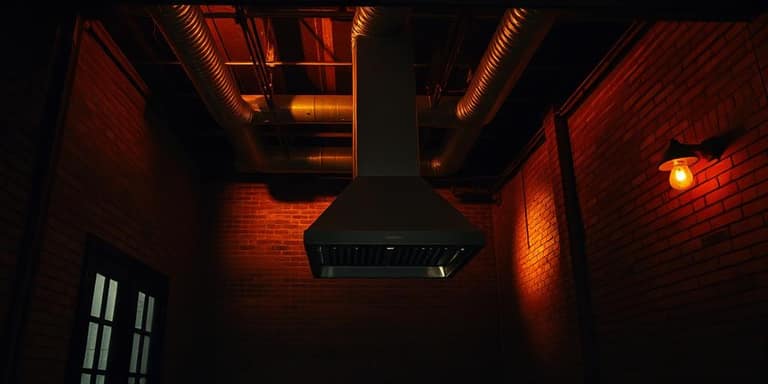
An older building rarely passes with the kitchen as found, so requests here pair buildout capital for the mechanical work with equipment paper for the hardware.
What Michigan operators finance
Buildout capital and used equipment financing pair frequently, and acquisitions are comparatively affordable.
The Michigan revenue calendar
Northern Michigan tourism peaks in summer and again briefly for color season, while the southeast metros run steadier with a winter dip.
Revenue mix and seasonality in Michigan
Summer and lake traffic carry resort markets, Detroit and Grand Rapids run steadier urban weekday volume, and winter is where thin capitalization shows up first.
What this does to your numbers
Northern tourism peaks in summer and again briefly for color season, while the southeast metros run steadier through the year.
What a delay costs in Michigan
Quota liquor licenses carry real market value, and winter heating and snow removal cut margin during the exact months when covers are lowest.
What underwriting looks at in Michigan
01Quota based liquor licenses carry real market value in many municipalities
02Winter heating and snow removal cut into margin during the slowest months
03Detroit and Grand Rapids redevelopment has driven buildouts in older industrial space
Which program usually fits here
Fund winter from a line you set up in the fall. Setting it up in January, when the statements already look soft, is harder and costs more.
Markets we serve in Michigan
We work with operators across Michigan, including Detroit, Grand Rapids, Ann Arbor, Traverse City, Lansing, and Royal Oak. Rural and small market operators qualify for the same programs.
Northern Michigan tourism peaks in summer and again briefly for color season, while the southeast metros run steadier with a winter dip
Quota based liquor licenses carry real market value in many municipalities
Acquisition, refinance, or a longer buildout
Estimates, not offers: Amounts, terms, and funding times are estimates based on programs commonly available in food service. Actual terms vary by program, lender underwriting, time in business, revenue, and credit profile. Nothing here is an offer of credit or a guarantee of approval. See source and method.
Educational only. Not an offer to lend, a commitment to fund, or a rate quote. Figures are illustrative and actual terms are set by the funding partner after underwriting. Downloading this does not create a brokerage, advisory, or fiduciary relationship with Foody Finance.
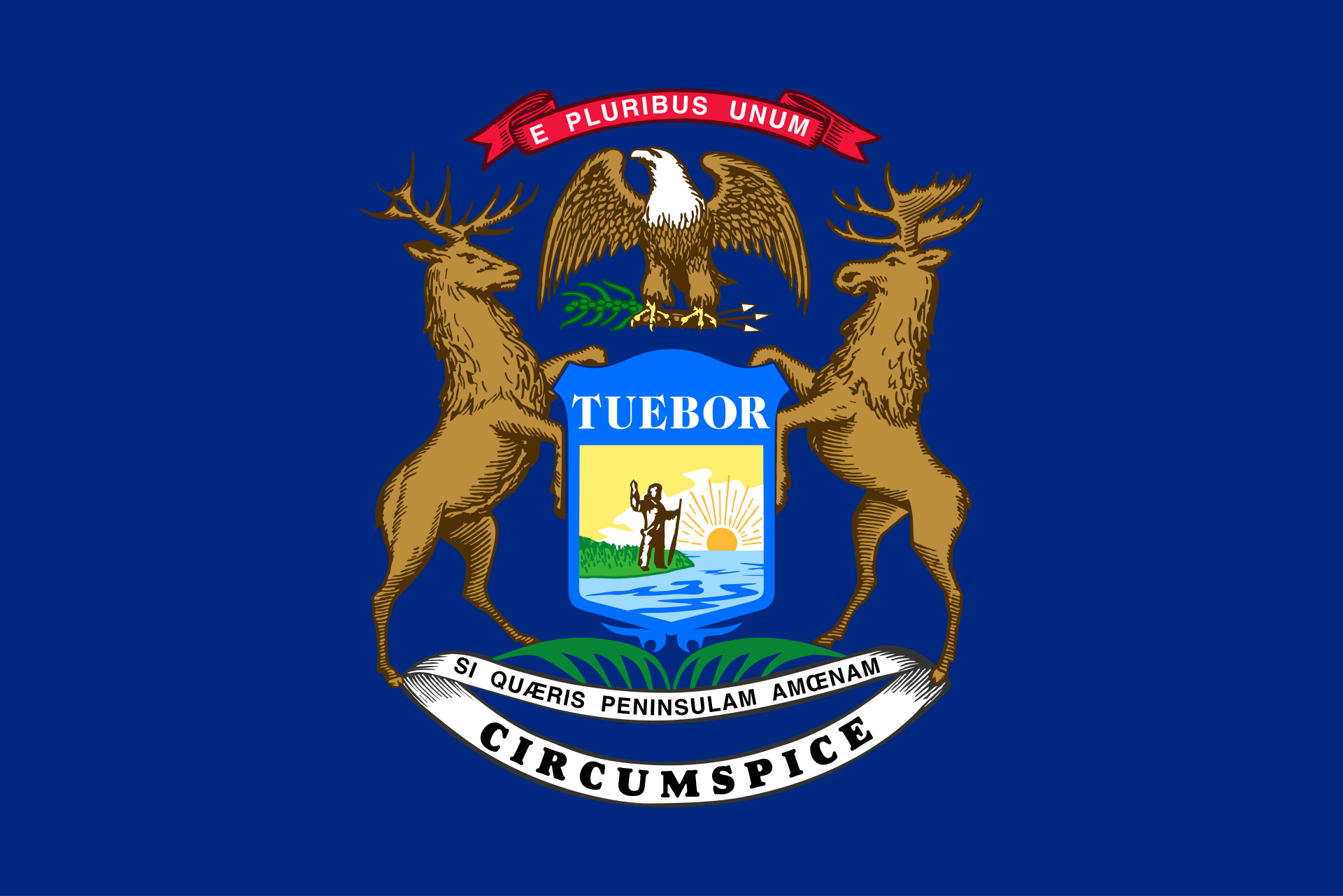
One page PDF with the Michigan timelines table and the state plate photo
Michigan plateDetroit style pizzaPan ovens and proofing space define capacity, and both are equipment line items rather than labor ones
Financing terms on this page
Definitions for the terms used above. Every term links to its entry in the full glossary.
Money for the work that turns a space into a working kitchen: plumbing, electrical, hoods, walls, and permits. It pays for labor and materials you cannot resell, so it is priced differently than money for a fryer.
A loan or lease tied to a specific machine. The machine itself is the security, so approval leans on the value of the hardware more than on your bank statements.
A formal credit check that shows on your report and can move your score a few points. It happens only after you pick a specific lender, not to get information.
A preapproved pool of money you pull from only when you need it, then pay back and reuse. You pay for what you draw, not for the full amount sitting there.
Yes. Food service operators in Michigan are referred for equipment financing, working capital, lines of credit, SBA loans, and buildout capital. Program availability varies by state. Merchant cash advance and other revenue-based financing structures are not offered to businesses in Texas, Virginia, or Connecticut.
How fast can a Michigan restaurant get funded?
Short term programs commonly fund in 1 to 3 business days and equipment requests in 1 to 5. SBA financing in Michigan runs 3 to 12 weeks.
What does a Traverse City seasonal operator finance?
Pre season inventory and payroll, and off season equipment work. The pattern is a spring draw repaid across the summer, with any capital project scheduled for November through March.
Which Michigan cities do you serve?
All of them. Operators we work with in Michigan run in Detroit, Grand Rapids, Ann Arbor, Traverse City, Lansing, and Royal Oak, along with smaller markets across the state. Underwriting reviews deposits and the use of funds, not the population of the market.
What documents do Michigan operators need?
For the first review, just the form. If you choose a short term program, the lender usually asks for 3 to 6 months of business bank statements. SBA adds tax returns, interim financials, and a debt schedule.
Does Michigan licensing affect financing?
Licensing affects buildout timelines and, in some transactions, collateral value. Include local permitting details in the request so a funding partner can account for them when structuring financing.
Do I need a hard credit pull to start in Michigan?
No. Our team reviews your request and looks for a funding partner that fits without a hard credit pull. A funding partner discusses programs with you and obtains your authorization before any hard credit pull.
What is equipment financing, and when does it fit a Michigan operator?
You borrow against a specific machine, and the machine is what backs the loan. Use it when a fryer, a walk-in, an oven, or a vehicle has to be replaced and you would rather keep the cash in the account. Typical size is 5,000 to 500,000, funding runs 1 to 5 business days once you choose an offer, and you repay it as fixed monthly payment. You will be asked for: application, equipment quote, bank statements.
What is buildout and expansion, and when does it fit a Michigan operator?
Construction money for the work that turns a space into a working kitchen, usually released in stages as the job progresses. Use it for a second location, a remodel, a patio, or a kitchen conversion, and size it to cover the permit wait, not just the build. Typical size is 50,000 to 2,000,000, funding runs 1 to 4 weeks once you choose an offer, and you repay it as fixed payment, often with a draw schedule. You will be asked for: application, contractor bids, lease, financials.
What is working capital, and when does it fit a Michigan operator?
Cash for the everyday gaps, repaid out of sales on a set schedule instead of at the end of a project. Use it for payroll, inventory, a slow stretch, or a job you have to fund before the client pays you. Typical size is 10,000 to 500,000, funding runs 1 to 3 business days once you choose an offer, and you repay it as fixed daily, weekly, or monthly payment. You will be asked for: application, 3 to 6 months of bank statements.
Why does the Michigan calendar change what I should borrow?
Northern tourism peaks in summer and again briefly for color season, while the southeast metros run steadier through the year.
What does waiting actually cost me in Michigan?
Quota liquor licenses carry real market value, and winter heating and snow removal cut margin during the exact months when covers are lowest.
Which program do most Michigan operators end up using?
Fund winter from a line you set up in the fall. Setting it up in January, when the statements already look soft, is harder and costs more. That is a starting point, not a decision. Our team reviews your deposits, time in business, and use of funds before looking for a funding partner that fits.
Does asking about financing in Michigan affect my credit?
No. Getting information is a conversation, not an application. There is no credit application and no hard credit pull until you have picked a specific lender and want to move forward.
A location page indicates that Foody Finance is taking clients in that market. It does not represent a physical office, storefront, or licensed presence in that city or state. All services are delivered remotely by our US-based team.
Start the conversation
Send a request before you fill out an application
Start with a free, no-obligation request. Our team reviews it and looks for a funding partner that fits.