FL metro

Restaurant financing in Port St. Lucie.

Hurricane season and a growing retiree population both shape Port St. Lucie's restaurant calendar, and neither one is predictable in the same way twice.

How do Port St. Lucie food businesses get funded?

Port St. Lucie operators start with a free review with a specialist, share recent business bank statements, and are matched to the programs that fit the use of funds. Working capital funds in 1 to 3 business days after you choose an offer, equipment in 1 to 5, and buildout capital in 1 to 4 weeks.

Estimates, not offers: Amounts, terms, and funding times are estimates based on programs commonly available in food service. Actual terms vary by program, lender underwriting, time in business, revenue, and credit profile. Nothing here is an offer of credit or a guarantee of approval. See source and method.

How Port St. Lucie eats, and what that does to cash

01

Where Port St. Lucie eats

Tradition, the master planned community on the city's west side, holds the newest restaurant density, with a lifestyle center and lakefront promenade drawing families and retirees at mid-range casual prices between 15 and 30 dollars a plate. St. Lucie West, built around the Mets spring training complex at Clover Park, mixes sports bars and chain casual restaurants that see sharp demand spikes during spring training games in March. The Downtown River District along the Santa Lucie River is the city's older commercial core, smaller in scale, with a handful of independent seafood and waterfront restaurants that lean on boat traffic and sunset dining rather than volume lunch business. PGA Village on the city's south side draws a golf tourism crowd through its clubhouse restaurants, skewing older and higher spending than the rest of the city. Port St. Lucie has no dense urban core comparable to older Florida cities, so nearly all dining sits in shopping plazas along US 1 and Port St. Lucie Boulevard, built for car traffic rather than walk-in foot traffic.
02

What Port St. Lucie actually eats

Seafood houses serving mahi, grouper, and stone crab in season are a defining format along the river district, typically running 20 to 35 dollars for a dinner entree. Caribbean and Haitian restaurants have grown steadily with the city's demographic shift, serving griot and oxtail as counter or small dining room formats priced under 15 dollars. Sports bars near Clover Park run their heaviest volume during Mets spring training in March, with wings and beer specials built around game schedules rather than a steady weekly pattern. Drive-through and fast casual chains dominate the retail plazas along US 1, since Port St. Lucie's low density and older population favor easy parking and quick service over walkable dining. Patio seating is standard citywide given the mild winter climate, but restaurants schedule around the summer heat and afternoon thunderstorms from June through September by shifting outdoor tables to evening hours only. Brunch is a strong format among the retiree population in Tradition and St. Lucie West, often outperforming weekday dinner at the same restaurants.

03

The Port St. Lucie calendar

New York Mets spring training at Clover Park runs from mid-February through March, and restaurants in St. Lucie West see their single biggest revenue weeks of the year during those games, followed by a sharp drop once the team leaves for the regular season. The winter snowbird season, running roughly November through April, brings a seasonal population increase that lifts restaurant traffic across Tradition and the golf communities near PGA Village. Hurricane season runs June through November, and storm threats can force multi-day closures or evacuations that wipe out several days of revenue with little warning, a risk restaurant operators here budget around every year. Summer months from June through September see the steepest drop in tourist and snowbird traffic, leaving restaurants dependent on the year-round local population alone. Cleveland Clinic Martin Health and other healthcare employers provide some steady weekday lunch demand that does not follow the tourist calendar, offering a partial buffer against the seasonal swings that hit the tourism-facing restaurants harder.

04

Growth and cost pattern

New restaurant openings concentrate in Tradition, where new retail construction continues along the lakefront district and along the Crosstown Parkway extension, offering newer buildout shells that need less structural work than older US 1 plazas. Commercial rent in Port St. Lucie runs below Palm Beach and Martin County rates just to the south, which has pulled some operators north along the I-95 corridor looking for lower occupancy costs. Hurricane-rated construction requirements add real buildout cost for any new restaurant, since impact windows, reinforced roofing, and backup power systems are effectively required given the storm risk. Labor pools skew toward retirees and part-time workers given the city's demographics, which can limit the availability of full-time kitchen staff and push wages up for cooks willing to work full schedules. Seasonal revenue swings between the winter snowbird peak and the summer trough make cash flow planning difficult, since a restaurant's slowest months and its hurricane season deductible exposure land in the same June through November stretch, compounding the risk of a bad storm season.

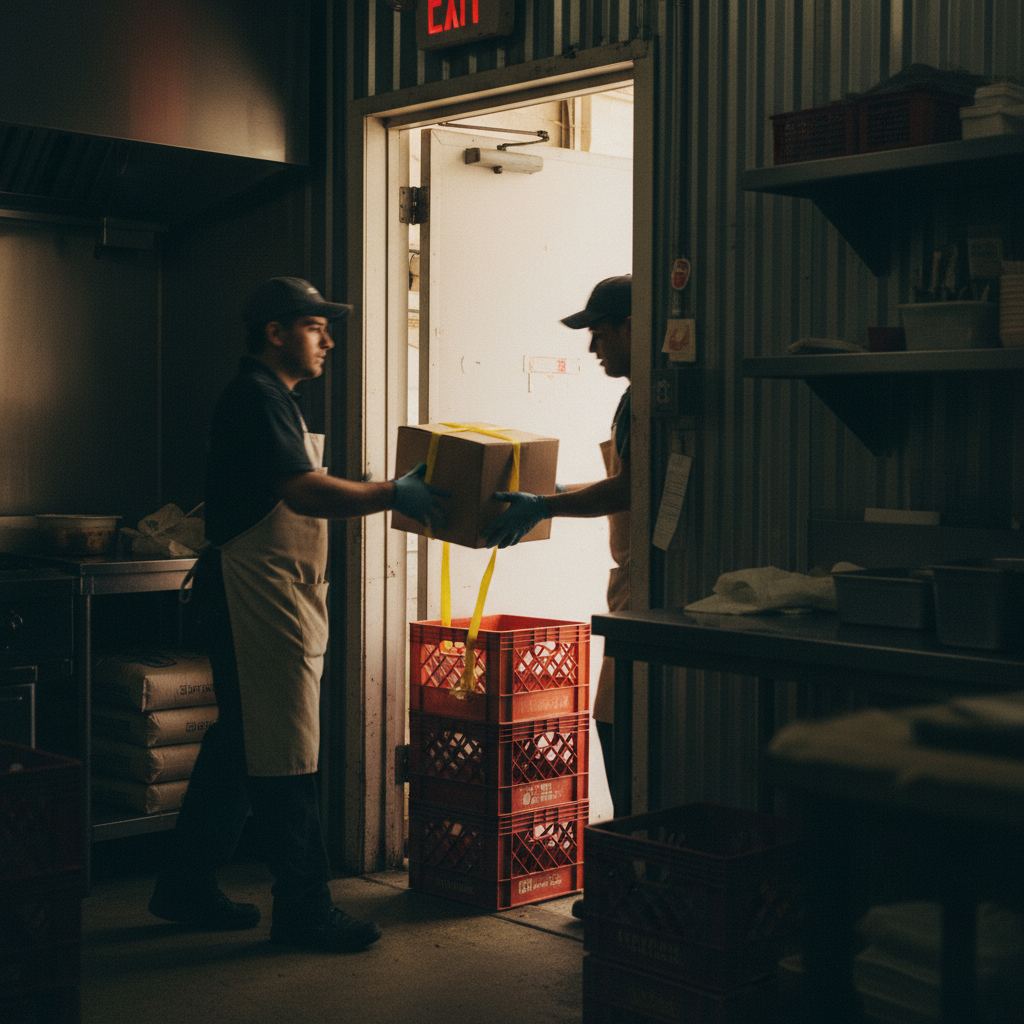
Food service operation in Port St. Lucie
Port St. Lucie food service. Illustration generated with AI. Not a photograph of a Foody Finance client or location.

What drives financing conversations in Port St. Lucie

Tradition and St. Lucie West operators use capital for buildouts tied to the area's rapid residential growth, since new subdivisions keep bringing customers before infrastructure fully catches up. Restaurants near Clover Park also use financing to staff up for Mets spring training season, which brings a short but significant traffic spike each spring.

Revenue and seasonality in Port St. Lucie

New York Mets spring training at Clover Park brings a concentrated spike in restaurant traffic each spring, while the area's growing retiree population supports steadier weekday lunch and early dinner business year-round. Hurricane season from June through November can force sudden closures with little warning, so operators plan cash reserves for storm-related shutdowns that insurance timing may not cover quickly.

What this does to your numbers

Spring training brings a short burst of business, and hurricane season can shut things down with almost no warning, so reserves matter more here than in calmer markets.

Permitting in Port St. Lucie, and what it costs to wait

The Florida Department of Health's St. Lucie County office handles food service permitting, while the Florida Division of Alcoholic Beverages and Tobacco issues liquor licenses through a separate state process. New construction in fast-growing areas like Tradition often means permitting offices are handling a heavier volume of applications, so buildout timelines should assume extra weeks of queue time beyond the paperwork itself.

What the wait actually costs

Growth has outpaced the permitting offices, so even simple approvals can take longer than the construction itself.

What raises the cost of capital here

  • 01Rapid new-home construction in Tradition and St. Lucie West outpaces permitting office capacity
  • 02Hurricane season closures require cash reserves independent of insurance claim timing
  • 03Mets spring training at Clover Park creates a short, concentrated spring revenue spike

Which program usually fits here

A cash advance fits bridging a storm closure fast, while buildout financing suits opening a new location in a growing area like Tradition.

Port St. Lucie
Florida outline. Boundary data: US Census Bureau cartographic boundary files, public domain. Simplified for display.

Free review, no hard credit pull

Get funds now and review your options

Step 01 of 03 · Your operation

A specialist reviews every request and reaches out the same business day

Areas we serve

  • Tradition
  • St. Lucie West
  • Torino
  • Lakewood Park
  • Port St. Lucie Boulevard corridor

Financing terms on this page

Definitions for the terms used above.

merchant cash advance
You sell a slice of future card sales for cash today. Fastest money available, and the most expensive, so it fits an emergency rather than a plan.
buildout capital
Money for the work that turns a space into a working kitchen: plumbing, electrical, hoods, walls, and permits. It pays for labor and materials you cannot resell, so it is priced differently than money for a fryer.
working capital
Cash for the everyday gaps: payroll, inventory, rent, and repairs. It is repaid out of daily or weekly sales rather than from one big event.
equipment paper
A loan or lease tied to a specific machine. The machine itself is the security, so approval leans on the value of the hardware more than on your bank statements.
draw
Taking money out of an approved line or loan. Draws tied to construction milestones mean you only start paying interest on each piece as you use it.
factor rate
A flat multiplier instead of an interest rate. Borrow 50,000 at a 1.25 factor and you repay 62,500 total, no matter how fast you pay it off.
hard credit pull
A formal credit check that shows on your report and can move your score a few points. It happens only after you pick a specific lender, not to get information.
covers
The number of guests served. Lenders pair it with check average to judge how reliable a month really is.
term
How long you have to repay. A longer term lowers the monthly payment and raises what the money costs in total.

Port St. Lucie financing questions

How does hurricane season affect restaurant financing in Port St. Lucie?

Storm season runs from June through November, and a mandatory evacuation or direct hit can shut a restaurant down for days or longer while insurance claims take time to process. Many Port St. Lucie operators keep working capital available specifically for storm-related closures, since rent and equipment loan payments don't pause just because the doors are boarded up.

Why do new restaurants in Tradition face longer permitting waits than expected?

Tradition and St. Lucie West have grown quickly enough that the St. Lucie County health department and state ABT office are processing a high volume of new applications from the surrounding construction boom. A new restaurant buildout in these areas should plan for the permitting queue itself to add weeks beyond the time the actual paperwork requires.

How much does Mets spring training actually move restaurant revenue in Port St. Lucie?

Clover Park in St. Lucie West hosts Mets spring training games from mid-February through March, and nearby sports bars and casual restaurants see their heaviest single stretch of the year during that window, with game-day crowds arriving hours before first pitch and staying through the evening. Restaurants further from the stadium, in Tradition or the river district, see a much smaller effect since the crowd is largely tied to walking distance from the ballpark. Lenders evaluating a St. Lucie West restaurant's revenue history should expect a visible March spike and treat it as a real but temporary seasonal lift, not a baseline monthly run rate.

How do Port St. Lucie food businesses start a financing conversation?

Start with a free review by a specialist. You share the basics of the business, the use of funds, and recent bank statements, and you see every program that fits before any credit application exists. Short term options commonly fund in 1 to 3 business days once you choose an offer.

Do you serve areas outside Port St. Lucie in Florida?

Yes. Every program is available statewide in Florida and nationwide.

What is buildout and expansion, and when does it fit a Port St. Lucie operator?

Construction money for the work that turns a space into a working kitchen, usually released in stages as the job progresses. Use it for a second location, a remodel, a patio, or a kitchen conversion, and size it to cover the permit wait, not just the build. Typical size is 50,000 to 2,000,000, funding runs 1 to 4 weeks once you choose an offer, and you repay it as fixed payment, often with a draw schedule. You will be asked for: application, contractor bids, lease, financials.

What is working capital, and when does it fit a Port St. Lucie operator?

Cash for the everyday gaps, repaid out of sales on a set schedule instead of at the end of a project. Use it for payroll, inventory, a slow stretch, or a job you have to fund before the client pays you. Typical size is 10,000 to 500,000, funding runs 1 to 3 business days once you choose an offer, and you repay it as fixed daily, weekly, or monthly payment. You will be asked for: application, 3 to 6 months of bank statements.

What is merchant cash advance, and when does it fit a Port St. Lucie operator?

You sell a slice of future card sales for money today, repaid as the card volume arrives. Use it only when speed decides the outcome. It is the fastest option here and the most expensive one. Typical size is 5,000 to 250,000, funding runs 1 to 3 business days once you choose an offer, and you repay it as factor rate, highest total cost. You will be asked for: application, bank and processing statements.

Why does the Port St. Lucie calendar change what I should borrow?

Spring training brings a short burst of business, and hurricane season can shut things down with almost no warning, so reserves matter more here than in calmer markets.

What does waiting actually cost me in Port St. Lucie?

Growth has outpaced the permitting offices, so even simple approvals can take longer than the construction itself.

Which program do most Port St. Lucie operators end up using?

A cash advance fits bridging a storm closure fast, while buildout financing suits opening a new location in a growing area like Tradition. That is a starting point, not a decision. The specialist review looks at your deposits, your time in business, and what the money is for before anything is recommended.

Does asking about financing in Port St. Lucie affect my credit?

No. Getting information is a conversation, not an application. There is no credit application and no hard credit pull until you have picked a specific lender and want to move forward.

Start the conversation

Talk to a specialist before you fill out an application.

Start with a free, no-obligation review. We will send the right application only after we know what you actually qualify for.

Start a free review

Prefer to call

(833) 505-1900