GA metro

Restaurant financing in Columbus.

Fort Moore's rotating soldiers and families give Columbus a customer base that turns over on a military schedule most restaurant leases don't account for.

How do Columbus food businesses get funded?

Columbus operators start with a free review with a specialist, share recent business bank statements, and are matched to the programs that fit the use of funds. Working capital funds in 1 to 3 business days after you choose an offer, equipment in 1 to 5, and buildout capital in 1 to 4 weeks.

Estimates, not offers: Amounts, terms, and funding times are estimates based on programs commonly available in food service. Actual terms vary by program, lender underwriting, time in business, revenue, and credit profile. Nothing here is an offer of credit or a guarantee of approval. See source and method.

How Columbus eats, and what that does to cash

01

Where Columbus, Georgia eats

Uptown Columbus, along Broadway near the Chattahoochee River, holds the city's main restaurant and nightlife district, serving a mix of Fort Moore soldiers on leave, Columbus State University students, and Synovus and Aflac office workers at prices from casual to upscale. Midtown, around Wynnton Road, holds an older residential dining scene with longtime family restaurants that serve a stable local customer base rather than tourists or soldiers. The area near Victory Drive, leading toward Fort Moore's main gate, is dense with fast food, buffets, and lower-priced restaurants built to serve soldiers and their families on a tight budget and irregular schedules tied to training rotations. Bibb City, a former mill village on the north side being redeveloped, has added a small cluster of newer restaurants aimed at a younger, higher-spending crowd distinct from the rest of the city. Columbus is unmistakably shaped by Fort Moore's presence, and restaurant pricing and hours across the city track the base's payday and training schedules more than they track any tourist calendar.
02

What Columbus actually eats

Southern plate lunch restaurants serving fried chicken, collard greens, and cornbread remain the everyday format in Midtown and along Wynnton Road, typically priced under 12 dollars for a meat and three. Barbecue is a steady format citywide, with Country's Barbecue operating multiple locations that serve both dine-in families and Fort Moore soldiers looking for a full plate at a set price. Whitewater rafting and outdoor recreation on the Chattahoochee River, home to one of the longest urban whitewater courses in the country, has pulled restaurant and brewery growth to the riverfront in Uptown, with patio seating built for a summer tourist crowd. Buffet-style restaurants cluster near Victory Drive, built around volume pricing that fits a soldier's budget and unpredictable meal timing during training exercises. Late night food options near Uptown Columbus cater to the Fort Moore population's off-duty hours and Columbus State University's student schedule, running later than typical Southern city hours. Peanut and pecan based dishes appear on menus as a nod to the surrounding Georgia agricultural region, though they are a smaller share of the everyday menu than the barbecue and Southern plate lunch formats.

03

The Columbus calendar

Fort Moore, one of the Army's largest training installations, drives the city's restaurant calendar more than any other single factor, with basic training graduation weeks bringing waves of visiting family members who fill Uptown and Victory Drive restaurants for several days at a time throughout the year. Military paydays, which fall on a set biweekly schedule, produce a visible short-term spike in restaurant spending near the base that operators there track closely. Synovus and Aflac, both headquartered in Columbus, keep steady weekday lunch demand downtown that does not follow a seasonal pattern. The whitewater rafting season on the Chattahoochee runs primarily from spring through early fall, pulling tourist traffic to Uptown riverfront restaurants during those months and dropping off once the water course closes for the colder months. Columbus State University's academic calendar, running August through May with a lighter summer session, shapes demand at restaurants near its Uptown campus, with a noticeable slowdown each summer when most students leave the city.

04

Growth and cost pattern

New restaurant development in Columbus concentrates in Uptown along the riverfront, where the city has invested in whitewater and park infrastructure that has pulled private restaurant and brewery investment into older downtown buildings. Bibb City's mill village redevelopment on the north side is a newer growth corridor, offering renovated industrial buildings that require significant electrical and plumbing upgrades before a kitchen can move in, adding real time to opening schedules. Rent near Fort Moore's Victory Drive corridor runs low, reflecting the lower per-ticket pricing that soldier-focused restaurants depend on, which limits how much margin those operators can build into a location before payroll and food costs erode it. Labor pools include military spouses looking for flexible part-time work, which helps staffing near the base but also means higher turnover as military families rotate to new duty stations every few years. Any changes to Fort Moore's troop levels or training schedule ripple directly into restaurant demand near the base, and operators there build in ongoing payroll flexibility to handle enrollment swings tied to Army training cycles rather than a typical civilian seasonal pattern.

Food service operation in Columbus
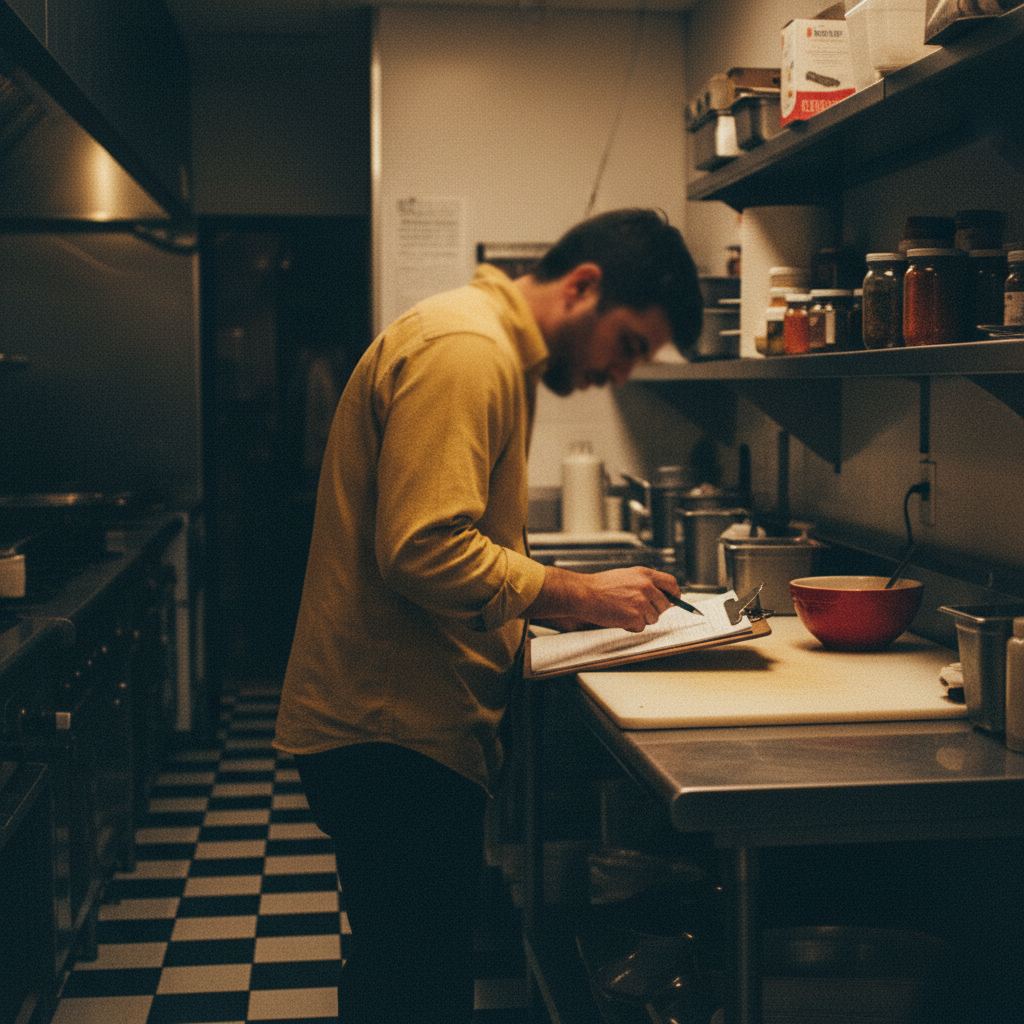
Columbus food service. Illustration generated with AI. Not a photograph of a Foody Finance client or location.

What drives financing conversations in Columbus

Uptown Columbus and Midtown operators use capital to renovate historic storefronts while also budgeting for demand swings tied to Fort Moore deployment and training cycles. Whitewater rafting tourism on the Chattahoochee adds a seasonal boost that restaurants near the riverfront finance staffing around each spring and summer.

Revenue and seasonality in Columbus

Fort Moore's soldier population and their families create baseline weekday demand that shifts with deployment and training rotations rather than typical seasons, while whitewater rafting on the Chattahoochee draws tourist traffic each spring and summer near the riverfront. Uptown restaurants also see event-driven spikes tied to National Infantry Museum visitors and military family days.

What this does to your numbers

Fort Moore's schedule moves customer counts up and down in a way that has nothing to do with weather, so the calendar looks different than most Southern cities.

Permitting in Columbus, and what it costs to wait

The Georgia Department of Public Health's Columbus-Muscogee office handles food service permitting, while alcohol sales require both state approval and Columbus's local licensing review running on a separate track. A riverfront restaurant timing its opening around whitewater rafting season should start the alcohol licensing process early, since the local review has its own queue that doesn't accelerate for a seasonal deadline.

What the wait actually costs

A slow local alcohol review can mean missing the whitewater rafting season's biggest weeks entirely.

What raises the cost of capital here

  • 01Fort Moore deployment and training rotations shift customer volume on a military rather than seasonal calendar
  • 02Local alcohol licensing review runs separately from state approval and from health department inspection
  • 03Whitewater rafting season on the Chattahoochee concentrates riverfront tourist traffic into spring and summer

Which program usually fits here

Working capital fits absorbing demand swings tied to deployment cycles, while buildout financing suits renovating a historic Uptown storefront.

Columbus
Georgia outline. Boundary data: US Census Bureau cartographic boundary files, public domain. Simplified for display.

Free review, no hard credit pull

Get funds now and review your options

Step 01 of 03 · Your operation

A specialist reviews every request and reaches out the same business day

Areas we serve

  • Uptown Columbus
  • Historic District
  • Midtown
  • Bibb City
  • North Highlands

Financing terms on this page

Definitions for the terms used above.

draw
Taking money out of an approved line or loan. Draws tied to construction milestones mean you only start paying interest on each piece as you use it.
working capital
Cash for the everyday gaps: payroll, inventory, rent, and repairs. It is repaid out of daily or weekly sales rather than from one big event.
buildout capital
Money for the work that turns a space into a working kitchen: plumbing, electrical, hoods, walls, and permits. It pays for labor and materials you cannot resell, so it is priced differently than money for a fryer.
equipment paper
A loan or lease tied to a specific machine. The machine itself is the security, so approval leans on the value of the hardware more than on your bank statements.
hard credit pull
A formal credit check that shows on your report and can move your score a few points. It happens only after you pick a specific lender, not to get information.
term
How long you have to repay. A longer term lowers the monthly payment and raises what the money costs in total.
covers
The number of guests served. Lenders pair it with check average to judge how reliable a month really is.
underwriting
The lender reading your numbers to decide how much risk you are. Bank statements, time in business, and existing debt carry the most weight.

Columbus financing questions

How do Fort Moore deployment cycles affect Columbus restaurant revenue?

Restaurants near base housing and Uptown Columbus often see customer counts shift when a large unit deploys or returns, since that population makes up a meaningful share of local weekday traffic. Unlike typical seasonal dips, these swings follow the base's training and deployment schedule, which operators track separately from weather or tourist patterns when planning cash flow.

Why does riverfront restaurant licensing in Columbus take extra planning before rafting season?

Alcohol licensing in Columbus requires both Georgia state approval and a separate local review process, and neither one speeds up just because whitewater rafting season is approaching on the Chattahoochee. Restaurants near the riverfront hoping to serve alcohol during peak rafting months typically start the licensing process in winter to avoid missing the spring rush.

How does Fort Moore's training schedule affect restaurant demand differently than a typical seasonal pattern?

Fort Moore runs basic training and advanced training cycles on a rolling schedule that does not follow the calendar seasons civilian businesses usually plan around. Graduation weeks bring concentrated waves of visiting families to Victory Drive and Uptown restaurants for a few days at a time, spaced throughout the year rather than clustered in one season. Biweekly military paydays also create short recurring spikes in nearby restaurant spending. This means restaurant revenue near the base can look uneven month to month for reasons tied to Army scheduling rather than weather or tourism, and lenders reviewing these numbers should ask about the base's training calendar before assuming a normal seasonal explanation.

How do Columbus food businesses start a financing conversation?

Start with a free review by a specialist. You share the basics of the business, the use of funds, and recent bank statements, and you see every program that fits before any credit application exists. Short term options commonly fund in 1 to 3 business days once you choose an offer.

Do you serve areas outside Columbus in Georgia?

Yes. Every program is available statewide in Georgia and nationwide.

What is working capital, and when does it fit a Columbus operator?

Cash for the everyday gaps, repaid out of sales on a set schedule instead of at the end of a project. Use it for payroll, inventory, a slow stretch, or a job you have to fund before the client pays you. Typical size is 10,000 to 500,000, funding runs 1 to 3 business days once you choose an offer, and you repay it as fixed daily, weekly, or monthly payment. You will be asked for: application, 3 to 6 months of bank statements.

What is buildout and expansion, and when does it fit a Columbus operator?

Construction money for the work that turns a space into a working kitchen, usually released in stages as the job progresses. Use it for a second location, a remodel, a patio, or a kitchen conversion, and size it to cover the permit wait, not just the build. Typical size is 50,000 to 2,000,000, funding runs 1 to 4 weeks once you choose an offer, and you repay it as fixed payment, often with a draw schedule. You will be asked for: application, contractor bids, lease, financials.

What is equipment financing, and when does it fit a Columbus operator?

You borrow against a specific machine, and the machine is what backs the loan. Use it when a fryer, a walk-in, an oven, or a vehicle has to be replaced and you would rather keep the cash in the account. Typical size is 5,000 to 500,000, funding runs 1 to 5 business days once you choose an offer, and you repay it as fixed monthly payment. You will be asked for: application, equipment quote, bank statements.

Why does the Columbus calendar change what I should borrow?

Fort Moore's schedule moves customer counts up and down in a way that has nothing to do with weather, so the calendar looks different than most Southern cities.

What does waiting actually cost me in Columbus?

A slow local alcohol review can mean missing the whitewater rafting season's biggest weeks entirely.

Which program do most Columbus operators end up using?

Working capital fits absorbing demand swings tied to deployment cycles, while buildout financing suits renovating a historic Uptown storefront. That is a starting point, not a decision. The specialist review looks at your deposits, your time in business, and what the money is for before anything is recommended.

Does asking about financing in Columbus affect my credit?

No. Getting information is a conversation, not an application. There is no credit application and no hard credit pull until you have picked a specific lender and want to move forward.

Start the conversation

Talk to a specialist before you fill out an application.

Start with a free, no-obligation review. We will send the right application only after we know what you actually qualify for.

Start a free review

Prefer to call

(833) 505-1900