FL metro

Restaurant financing in Miami.

Miami revenue swings hard between season and off season, and operators who finance during the busy months regret it in August.

How do Miami food businesses get funded?

Miami operators start with a free review with a specialist, share recent business bank statements, and are matched to the programs that fit the use of funds. Working capital funds in 1 to 3 business days after you choose an offer, equipment in 1 to 5, and buildout capital in 1 to 4 weeks.

Estimates, not offers: Amounts, terms, and funding times are estimates based on programs commonly available in food service. Actual terms vary by program, lender underwriting, time in business, revenue, and credit profile. Nothing here is an offer of credit or a guarantee of approval. See source and method.

How Miami eats, and what that does to cash

01

Where Miami eats

Wynwood, once a warehouse district, now holds a dense cluster of restaurants and bars built around its street art, serving a younger, mixed tourist and local crowd. Brickell, Miami's financial district, supports a weekday lunch economy of fast casual and higher end restaurants serving office workers from the bank towers there, with a different nightlife crowd on weekends. Little Havana, along Calle Ocho, holds Cuban restaurants and cafeteria windows serving cafecito and pastelitos to both longtime residents and tourists. South Beach carries Miami's highest tourist volume, with Ocean Drive restaurants pricing menus for vacationers rather than locals. The Design District supports luxury dining serving shoppers visiting its high end retail stores. Coral Gables, an older, wealthier suburb, holds a quieter fine dining scene serving local families. Rent on Ocean Drive reflects tourist volume rather than local density, meaning a restaurant there depends on cruise ship and hotel occupancy cycles more than neighborhood residents.
02

What Miami orders

Cuban sandwiches and cafecito, strong sweetened espresso served at walk up cafeteria windows, anchor daily eating across Little Havana and much of the metro. Croquetas and pastelitos are common grab and go items sold from Cuban bakeries citywide. Ceviche and other Latin American seafood preparations reflect the city's Venezuelan, Colombian, and broader Caribbean populations. Stone crab claws, in season from October through May, are a defining seasonal Miami dish, with restaurants like the original Joe's Stone Crab building their entire calendar around the harvest window. Rooftop and waterfront dining commands a premium given Miami's skyline and bay views. Latin nightclub adjacent restaurants in Brickell and Wynwood keep kitchens open late to serve a nightlife crowd. A Cuban sandwich runs eight to twelve dollars, cafecito costs under three dollars, and a South Beach tourist dinner easily passes sixty dollars a person. Stone crab's strict seasonal harvest window means restaurants built around the dish generate a large share of that specific revenue between October and May, leaving summer months without it entirely.

03

The Miami calendar

Art Basel Miami Beach each December fills South Beach and the Design District with international visitors for a single week, spiking restaurant revenue well above typical winter levels. Stone crab season runs October through May, directly shaping menus and revenue at seafood restaurants for those specific months. Winter, from November through April, is Miami's peak tourist season as visitors from colder climates and Latin America fill hotels, lifting South Beach and Brickell restaurant revenue. Summer, from June through September, brings hurricane season and heavy heat and humidity that cut both tourism and outdoor dining comfort, making it the metro's slowest stretch. The Miami Open tennis tournament each March and the annual Ultra Music Festival draw concentrated crowds for specific weeks. Port Miami, one of the busiest cruise ports in the world, feeds a steady stream of pre and post cruise diners near the port and South Beach nearly year round. A restaurant dependent on winter tourism and Art Basel week can see a large share of annual revenue concentrated between November and April, leaving hurricane season a period of reduced staffing and inventory.

04

Growth and cost in Miami

New restaurant growth has pushed toward Doral, Aventura, and parts of Kendall as South Florida's population has grown and rents in South Beach and Brickell have climbed to some of the highest in the state. Wynwood's rapid redevelopment has pushed rents up quickly for a district that was industrial warehouse space within the past two decades. Labor costs have risen with Florida's population growth and Miami's high cost of living, particularly for housing, which affects how far service worker wages stretch. Hurricane season from June through November requires restaurants to budget for storm related closures, insurance costs, and occasional inventory loss from power outages. Buildout near the coast faces flood zone and elevated building code requirements tied to South Florida's hurricane exposure, which can raise construction costs above inland Florida markets. A restaurant opening in a flood zone designated area should expect added insurance and construction costs that an inland Doral location would not face, a difference that affects total startup capital needed before opening.

Food service operation in Miami
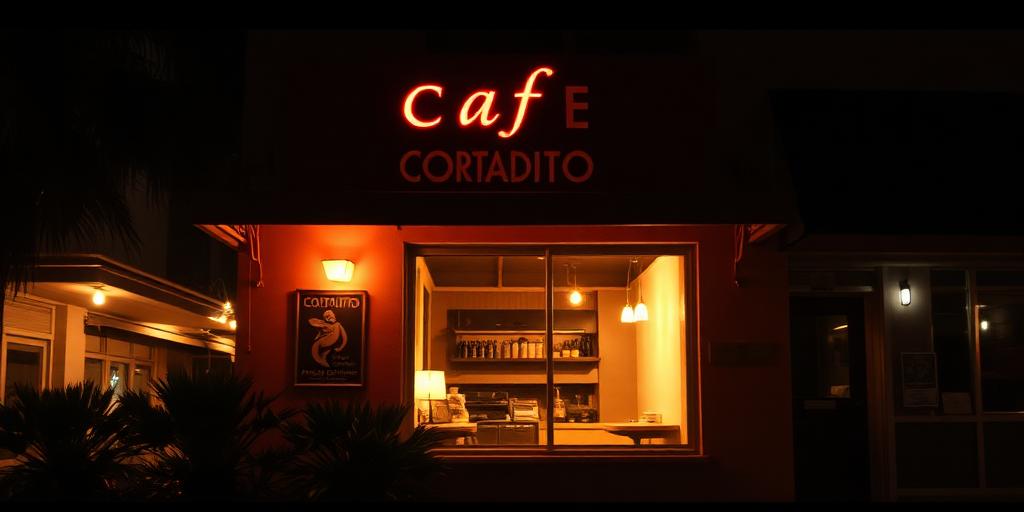
Miami food service. Illustration generated with AI. Not a photograph of a Foody Finance client or location.

What drives financing conversations in Miami

Flexible repayment matters more here than headline rate. Card volume based structures fit the seasonal curve better than fixed daily debits.

Revenue and seasonality in Miami

Season runs January through April at high check averages, summer thins considerably outside delivery, and event weeks like Art Basel can outperform an ordinary month.

What this does to your numbers

November to April carries the year on visitors, summer runs thinner, and hurricane season overlaps the slow stretch.

Permitting in Miami, and what it costs to wait

Miami Dade permitting plus separate mobile and beach requirements make timelines uneven across the county, and hurricane code affects equipment and ventilation specification. Storm resilience is a capital line here, not a maintenance line.

What the wait actually costs

A closure takes sales and walk-in inventory at once, and reopening costs money before the first ticket rings.

What raises the cost of capital here

  • 01Season runs roughly November through April, and the summer months are planned as a drawdown
  • 02Hurricane exposure raises insurance requirements on financed equipment
  • 03Tourist heavy districts carry rent per square foot that compresses the payback window

Which program usually fits here

An approved, unused line before storm season is the cheapest protection available. Applying after a closure is slower and costs more.

Miami
Florida outline. Boundary data: US Census Bureau cartographic boundary files, public domain. Simplified for display.

Free review, no hard credit pull

Get funds now and review your options

Step 01 of 03 · Your operation

A specialist reviews every request and reaches out the same business day

Areas we serve

  • Brickell
  • Wynwood
  • Miami Beach
  • Coral Gables
  • Little Havana

Financing terms on this page

Definitions for the terms used above.

draw
Taking money out of an approved line or loan. Draws tied to construction milestones mean you only start paying interest on each piece as you use it.
line of credit
A preapproved pool of money you pull from only when you need it, then pay back and reuse. You pay for what you draw, not for the full amount sitting there.
term
How long you have to repay. A longer term lowers the monthly payment and raises what the money costs in total.
equipment paper
A loan or lease tied to a specific machine. The machine itself is the security, so approval leans on the value of the hardware more than on your bank statements.
merchant cash advance
You sell a slice of future card sales for cash today. Fastest money available, and the most expensive, so it fits an emergency rather than a plan.
factor rate
A flat multiplier instead of an interest rate. Borrow 50,000 at a 1.25 factor and you repay 62,500 total, no matter how fast you pay it off.
working capital
Cash for the everyday gaps: payroll, inventory, rent, and repairs. It is repaid out of daily or weekly sales rather than from one big event.
hard credit pull
A formal credit check that shows on your report and can move your score a few points. It happens only after you pick a specific lender, not to get information.
buildout capital
Money for the work that turns a space into a working kitchen: plumbing, electrical, hoods, walls, and permits. It pays for labor and materials you cannot resell, so it is priced differently than money for a fryer.
covers
The number of guests served. Lenders pair it with check average to judge how reliable a month really is.
underwriting
The lender reading your numbers to decide how much risk you are. Bank statements, time in business, and existing debt carry the most weight.

Miami financing questions

How do Miami operators structure financing around a 6 month season?

Draw before season and concentrate repayment inside it. A line of credit or a revenue linked program handles the summer far better than a level term payment set against January deposits.

Does hurricane season affect equipment financing in Miami?

It affects insurance and timing. Coverage naming the funding source is standard, and many operators schedule equipment replacement for late spring so new units are installed before the season starts.

How does hurricane season affect a Miami restaurant's insurance and cash reserves?

Miami restaurants operate under a hurricane season that runs from June through November, during which storm warnings can force multi day closures, spoiled inventory from power outages, and property damage even without a direct hit. Commercial property and business interruption insurance in South Florida costs more than in most other US restaurant markets because of that storm exposure, and coverage terms increasingly require specific wind and flood provisions. Lenders should confirm that a Miami metro applicant has budgeted both the higher insurance premium and a cash reserve for at least a few days of lost revenue during peak storm months.

How do Miami food businesses start a financing conversation?

Start with a free review by a specialist. You share the basics of the business, the use of funds, and recent bank statements, and you see every program that fits before any credit application exists. Short term options commonly fund in 1 to 3 business days once you choose an offer.

Do you serve areas outside Miami in Florida?

Yes. Every program is available statewide in Florida and nationwide.

What is merchant cash advance, and when does it fit a Miami operator?

You sell a slice of future card sales for money today, repaid as the card volume arrives. Use it only when speed decides the outcome. It is the fastest option here and the most expensive one. Typical size is 5,000 to 250,000, funding runs 1 to 3 business days once you choose an offer, and you repay it as factor rate, highest total cost. You will be asked for: application, bank and processing statements.

What is working capital, and when does it fit a Miami operator?

Cash for the everyday gaps, repaid out of sales on a set schedule instead of at the end of a project. Use it for payroll, inventory, a slow stretch, or a job you have to fund before the client pays you. Typical size is 10,000 to 500,000, funding runs 1 to 3 business days once you choose an offer, and you repay it as fixed daily, weekly, or monthly payment. You will be asked for: application, 3 to 6 months of bank statements.

What is equipment financing, and when does it fit a Miami operator?

You borrow against a specific machine, and the machine is what backs the loan. Use it when a fryer, a walk-in, an oven, or a vehicle has to be replaced and you would rather keep the cash in the account. Typical size is 5,000 to 500,000, funding runs 1 to 5 business days once you choose an offer, and you repay it as fixed monthly payment. You will be asked for: application, equipment quote, bank statements.

Why does the Miami calendar change what I should borrow?

November to April carries the year on visitors, summer runs thinner, and hurricane season overlaps the slow stretch.

What does waiting actually cost me in Miami?

A closure takes sales and walk-in inventory at once, and reopening costs money before the first ticket rings.

Which program do most Miami operators end up using?

An approved, unused line before storm season is the cheapest protection available. Applying after a closure is slower and costs more. That is a starting point, not a decision. The specialist review looks at your deposits, your time in business, and what the money is for before anything is recommended.

Does asking about financing in Miami affect my credit?

No. Getting information is a conversation, not an application. There is no credit application and no hard credit pull until you have picked a specific lender and want to move forward.

Start the conversation

Talk to a specialist before you fill out an application.

Start with a free, no-obligation review. We will send the right application only after we know what you actually qualify for.

Start a free review

Prefer to call

(833) 505-1900