Denver operators face rising labor costs and a customer base that expects patio service most of the year.
How do Denver food businesses get funded?
Denver operators start with a free review with a specialist, share recent business bank statements, and are matched to the programs that fit the use of funds. Working capital funds in 1 to 3 business days after you choose an offer, equipment in 1 to 5, and buildout capital in 1 to 4 weeks.
Estimates, not offers: Amounts, terms, and funding times are estimates based on programs commonly available in food service. Actual terms vary by program, lender underwriting, time in business, revenue, and credit profile. Nothing here is an offer of credit or a guarantee of approval. See source and method.
How Denver eats, and what that does to cash
01
Where Denver eats
LoDo, Denver's historic lower downtown warehouse district near Coors Field, holds a dense cluster of bars and restaurants that spike hard on Rockies game days and stay busy with a broader nightlife crowd otherwise. RiNo, the River North Art District, has grown quickly with breweries and chef driven restaurants serving a younger crowd drawn by street art and warehouse redevelopment. Capitol Hill holds a mix of casual restaurants and dive bars serving a dense residential population at moderate prices. Cherry Creek, an affluent shopping district, supports higher end dining serving a wealthier local crowd. Highlands, on the west side of the South Platte River, has become a dense restaurant row along 32nd Avenue serving young professionals. Five Points, historically Denver's Black cultural district, holds jazz clubs and soul food restaurants alongside newer openings. Rent in RiNo has climbed quickly as warehouse redevelopment has continued, changing what a new lease there costs compared to a decade ago.
02
What Denver orders
Green chile, served over burritos, smothered on plates, or as a standalone bowl, is a defining Denver and broader Colorado dish reflecting the state's proximity to New Mexico's chile growing regions. Craft brewery kitchens are especially dense in Denver, a city that markets itself around its brewery count, pairing pub food with house made beer across RiNo, LoHi, and other districts. Rocky Mountain oysters, a novelty item tied to the state's ranching history, appear on some menus as a tourist draw. Elevation affects baking and cooking at Denver's mile high altitude, requiring recipe adjustments that out of state chefs sometimes get wrong on first attempts. Patio dining runs strong from May through September given Denver's dry, sunny climate, then drops sharply once winter cold arrives. Food halls, including Avanti F&B and The Source, group counter service vendors in RiNo and other redeveloped warehouse spaces. A green chile smothered burrito runs nine to fourteen dollars, and Cherry Creek fine dining runs fifty to seventy five dollars a person. Winter cuts patio capacity for several months, a seasonal loss that outdoor heavy concepts must plan revenue around.
03
The Denver calendar
Coors Field and Ball Arena drive Rockies, Nuggets, and Avalanche game day traffic that spikes LoDo and downtown bar and restaurant revenue throughout their respective seasons. Ski season, running roughly from late November through April, pulls both tourists and locals toward mountain towns west of Denver, sometimes drawing dining dollars away from the city on weekends when residents travel to the slopes. The National Western Stock Show each January brings a large agricultural trade show and rodeo crowd to Denver during an otherwise quiet winter month. Denver's craft beer festivals, including the Great American Beer Festival each fall, draw a national audience to downtown for a concentrated weekend. Summer, from June through August, supports Denver's heaviest patio season and outdoor festival calendar in City Park and elsewhere. Winter weather, including occasional heavy snow, can shut down street level foot traffic on short notice in a way that Sun Belt cities rarely experience. A LoDo restaurant near Coors Field plans staffing around the Rockies' April through September home schedule, with a noticeably quieter winter stretch outside of Nuggets and Avalanche games.
04
Growth and cost in Denver
New restaurant growth has pushed into suburbs like Aurora, Lakewood, and Littleton as Denver's population growth has outpaced central city housing supply, though RiNo and the Highlands still draw independent openings despite rising rents. Labor costs have climbed quickly as Colorado's minimum wage and Denver's cost of living have both risen, narrowing the historical cost advantage over coastal cities. Buildout in older LoDo and RiNo warehouse buildings often requires updated electrical and fire suppression systems before a commercial kitchen passes inspection, since many of these structures predate modern code. Winter weather can delay construction schedules for buildouts that involve exterior work, since snow and cold slow contractor timelines in a way milder climates do not. Utility costs rise in winter with heating demand, an inverse pattern from Sun Belt cities where summer cooling drives the spike. A restaurant planning a patio heavy concept must budget for a shorter usable outdoor season than a comparable restaurant in Phoenix or San Antonio, directly affecting projected revenue per season.
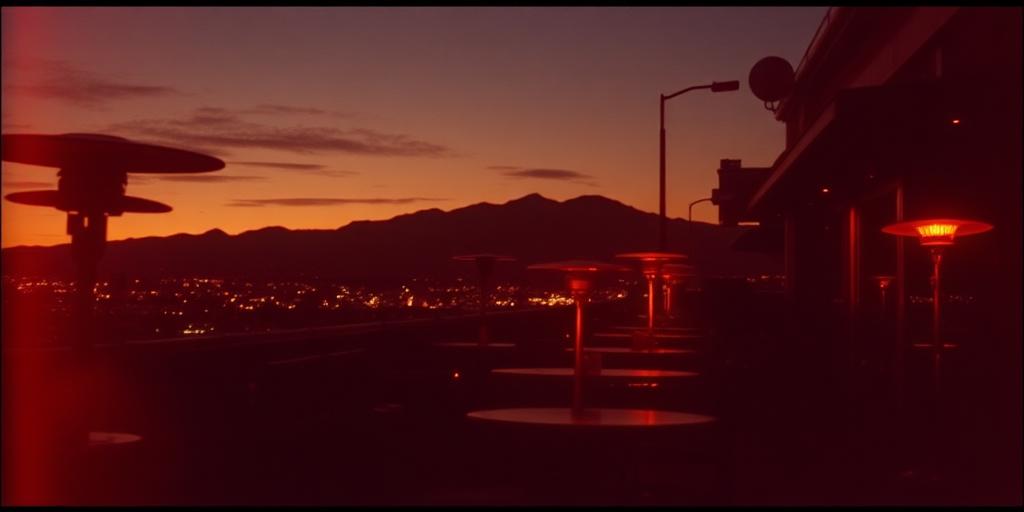
Denver food service. Illustration generated with AI. Not a photograph of a Foody Finance client or location.
What drives financing conversations in Denver
Heating, patio buildouts, and kitchen equipment show up together in financing requests, and multi unit growth into the suburbs is steady.
Revenue and seasonality in Denver
Patio months and event calendars carry the warm season, ski adjacent traffic supports winter weekends, and downtown weekday volume depends on office attendance.
What this does to your numbers
Front Range volume is steady with a strong patio lift from May to September, and mountain adjacent traffic adds winter weekends.
Permitting in Denver, and what it costs to wait
Denver liquor licensing runs through both city and state, and patio and sidewalk service carries its own approval. The highest margin revenue in the building is gated by the slower of those approvals, so inventory and working capital are timed to it.
What the wait actually costs
State and city liquor approval stack, so a finished bar can sit dark on paperwork while the lease keeps running.
What raises the cost of capital here
01Patio heating and enclosure infrastructure is a year round cost, not a seasonal one
02Liquor licensing runs through both state and municipal authorities, adding a second timeline
03Front Range suburban growth drives multi unit expansion requests
Which program usually fits here
Patio enclosures and heaters buy extra service months, which is one of the clearest payback cases an underwriter will see.
Colorado outline. Boundary data: US Census Bureau cartographic boundary files, public domain. Simplified for display.
Cash for the everyday gaps: payroll, inventory, rent, and repairs. It is repaid out of daily or weekly sales rather than from one big event.
underwriting
The lender reading your numbers to decide how much risk you are. Bank statements, time in business, and existing debt carry the most weight.
buildout capital
Money for the work that turns a space into a working kitchen: plumbing, electrical, hoods, walls, and permits. It pays for labor and materials you cannot resell, so it is priced differently than money for a fryer.
draw
Taking money out of an approved line or loan. Draws tied to construction milestones mean you only start paying interest on each piece as you use it.
equipment paper
A loan or lease tied to a specific machine. The machine itself is the security, so approval leans on the value of the hardware more than on your bank statements.
hard credit pull
A formal credit check that shows on your report and can move your score a few points. It happens only after you pick a specific lender, not to get information.
covers
The number of guests served. Lenders pair it with check average to judge how reliable a month really is.
commissary
A licensed production kitchen used to prep off site, most often by trucks and catering operations. It carries its own rent, equipment, and permits.
shoulder season
The in between weeks on either side of your busy season. Sales fall while rent, insurance, and salaried payroll do not.
term
How long you have to repay. A longer term lowers the monthly payment and raises what the money costs in total.
Can Denver patio heating and enclosures be financed?
Yes. Heaters, enclosures, and the electrical or gas work behind them are financed as buildout capital, and operators normally request in late summer so installation lands before the first freeze.
How does dual liquor licensing affect a Denver buildout request?
It extends the pre revenue window. State and city review run on separate clocks, so the request should include rent and retained payroll for the gap rather than assuming a single approval date.
How does Denver's ski season pull local dining dollars away from the city?
Many Denver area residents spend winter weekends at mountain resorts like Vail, Breckenridge, and Winter Park, which sits within driving distance of the metro, and that travel pattern can reduce local restaurant traffic on exactly the weekends a restaurant might otherwise expect steady weekend volume. Restaurants near ski traffic corridors sometimes see the opposite effect, picking up travelers heading to or from the mountains. Lenders should ask a Denver applicant whether their location benefits from mountain bound traffic or competes against it for local weekend customers, since the two produce very different winter revenue patterns.
How do Denver food businesses start a financing conversation?
Start with a free review by a specialist. You share the basics of the business, the use of funds, and recent bank statements, and you see every program that fits before any credit application exists. Short term options commonly fund in 1 to 3 business days once you choose an offer.
Do you serve areas outside Denver in Colorado?
Yes. Every program is available statewide in Colorado and nationwide.
What is buildout and expansion, and when does it fit a Denver operator?
Construction money for the work that turns a space into a working kitchen, usually released in stages as the job progresses. Use it for a second location, a remodel, a patio, or a kitchen conversion, and size it to cover the permit wait, not just the build. Typical size is 50,000 to 2,000,000, funding runs 1 to 4 weeks once you choose an offer, and you repay it as fixed payment, often with a draw schedule. You will be asked for: application, contractor bids, lease, financials.
What is equipment financing, and when does it fit a Denver operator?
You borrow against a specific machine, and the machine is what backs the loan. Use it when a fryer, a walk-in, an oven, or a vehicle has to be replaced and you would rather keep the cash in the account. Typical size is 5,000 to 500,000, funding runs 1 to 5 business days once you choose an offer, and you repay it as fixed monthly payment. You will be asked for: application, equipment quote, bank statements.
What is working capital, and when does it fit a Denver operator?
Cash for the everyday gaps, repaid out of sales on a set schedule instead of at the end of a project. Use it for payroll, inventory, a slow stretch, or a job you have to fund before the client pays you. Typical size is 10,000 to 500,000, funding runs 1 to 3 business days once you choose an offer, and you repay it as fixed daily, weekly, or monthly payment. You will be asked for: application, 3 to 6 months of bank statements.
Why does the Denver calendar change what I should borrow?
Front Range volume is steady with a strong patio lift from May to September, and mountain adjacent traffic adds winter weekends.
What does waiting actually cost me in Denver?
State and city liquor approval stack, so a finished bar can sit dark on paperwork while the lease keeps running.
Which program do most Denver operators end up using?
Patio enclosures and heaters buy extra service months, which is one of the clearest payback cases an underwriter will see. That is a starting point, not a decision. The specialist review looks at your deposits, your time in business, and what the money is for before anything is recommended.
Does asking about financing in Denver affect my credit?
No. Getting information is a conversation, not an application. There is no credit application and no hard credit pull until you have picked a specific lender and want to move forward.
Start the conversation
Talk to a specialist before you fill out an application.
Start with a free, no-obligation review. We will send the right application only after we know what you actually qualify for.