Yes. Foody Finance works with restaurants, bars, caterers, food trucks, ghost kitchens, and distributors across Colorado. Equipment requests commonly fund in 1 to 5 business days, working capital in 1 to 3, and SBA financing in 3 to 12 weeks.
Estimates, not offers: Amounts, terms, and funding times are estimates based on programs commonly available in food service. Actual terms vary by program, lender underwriting, time in business, revenue, and credit profile. Nothing here is an offer of credit or a guarantee of approval. See source and method.
How Colorado actually makes its money in food
01
What Colorado actually orders
Green chile, usually Pueblo or Hatch-style, tops burritos, smothered burgers, and breakfast plates across the Front Range as a default condiment rather than an optional add-on. Denver claims the Denver omelet and a growing brewpub food menu built around elevated bar food like bison burgers and green chile fries, reflecting the state's cattle-ranching base on the eastern plains. Boulder and the mountain resort towns support a health-forward, higher-priced casual scene built around bowls, farm-to-table breakfast spots, and craft coffee, priced for both wealthy residents and tourists. Ski towns like Aspen, Vail, and Telluride run some of the highest-priced restaurant checks in the Mountain West during winter season, comparable to major coastal cities. Pueblo's Slavic and Italian immigrant communities left behind a distinct Pueblo-style Italian sausage sandwich tradition unique to that city. Colorado Springs, shaped by its military bases, supports a denser fast-casual and chain-restaurant footprint than Denver or Boulder. Craft brewing, anchored by Denver and Fort Collins, drives a food-and-beer pairing culture that pushes menu design toward shareable plates built around pint sales rather than entree margins.
02
How Colorado's food economy formed
Cattle ranching on the eastern plains and mining booms in the 1859 Pike's Peak Gold Rush established Denver as a supply and meatpacking hub, and the stockyards that once anchored north Denver shaped a steakhouse tradition still visible downtown. Mexican and Chicano communities settled along the Arkansas River valley near Pueblo starting in the early 1900s, bringing the green chile tradition and Pueblo chile farming that still supplies restaurants statewide each fall. Italian and Slavic immigrants came to Pueblo for steel mill and mining jobs in the same period, leaving behind the sausage sandwich stands still run by their descendants. Aspen and Vail transformed from mining and ranching towns into ski resorts starting in the 1940s and 1950s, building a seasonal luxury restaurant economy dependent on out-of-state wealth rather than local population. Colorado Springs grew around Fort Carson, the Air Force Academy, and NORAD, creating a military-family customer base that supports chain and fast-casual density above the state average. Boulder's university and later tech and outdoor-industry economy built the health-conscious, higher-income dining base that spread its influence down the Front Range into Denver over the past two decades, and that spread has raised menu pricing expectations even in older Denver neighborhoods.
03
The Colorado calendar that carries the year
Ski season from late November through early April drives the entire mountain-town restaurant economy, with Aspen, Vail, Breckenridge, and Telluride booking their highest revenue weeks around Christmas, New Year's, and Presidents' Day. Denver's restaurant scene sees a summer peak tied to outdoor festivals, Rockies baseball season at Coors Field from April through September, and the Great American Beer Festival each October, which pulls brewery-adjacent food traffic downtown for a single concentrated weekend. Pueblo's Chile and Frijoles Festival each September marks the harvest of the region's signature crop and drives a short but intense wave of chile-based menu demand statewide as restaurants stock up for fall and winter. The Colorado State Fair in Pueblo each August and September adds another late-summer spike. Mud season in April and again in October, between ski season and summer tourism, leaves mountain towns with almost no visitor traffic, and many resort-town restaurants close entirely for two to four weeks during these windows. Front Range restaurants see a secondary bump each September when the University of Colorado and Colorado State football seasons begin, concentrating weekend traffic in Boulder and Fort Collins. A closed mud-season restaurant still owes full rent despite zero revenue for that stretch.
04
Who runs Colorado kitchens
Denver and Boulder support a strong independent and chef-owned restaurant culture, while Colorado Springs and the suburban Front Range corridor along I-25 carry noticeably higher franchise density. Ski-town restaurants often operate under seasonal ownership models, with owners closing or reducing hours during mud season and relying on a workforce that migrates in for winter and summer seasons rather than year-round local staff. That seasonal workforce faces a severe housing shortage in mountain resort towns, where workforce housing programs in Aspen, Vail, and Breckenholm compete to keep kitchen staff from being priced out entirely. Colorado's statewide minimum wage sits above the federal floor, and Denver sets its own higher local minimum wage, creating a real cost gap between a restaurant in downtown Denver and one twenty miles out in Aurora or Lakewood. Pueblo and southern Colorado retain more multi-generation family ownership, particularly among the Italian, Slavic, and Mexican-American families tied to the area's steel and chile-farming history. Legal cannabis tourism since 2014 has added a specific late-night and munchies-driven demand curve for quick-service and delivery-oriented restaurants in Denver that most other states do not budget for.
05
What it costs to operate in Colorado
Commercial rent in downtown Denver's LoDo and RiNo districts and in mountain resort towns like Aspen and Vail ranks among the highest in the Mountain West, driven in Aspen's case by extremely limited buildable land. Labor costs in ski towns run high because of the workforce housing shortage, forcing many resort restaurants to either subsidize employee housing directly or lose staff to towns with a lower cost of living. Utility costs climb in winter across the mountain corridor, where heating and snow-clearing add operating expenses absent from Front Range budgets. Beef and produce sourcing benefits from in-state ranching and Pueblo-area chile and vegetable farms during the fall harvest window, but winter months push most fresh produce sourcing back to out-of-state distribution through Denver's wholesale corridor. Property insurance costs in mountain and foothills counties have risen with increased wildfire risk following major fires like the 2021 Marshall Fire near Boulder. Hail storms along the Front Range each spring and summer cause regular property damage claims that push commercial insurance premiums higher than in neighboring plains states, and a single hailstorm can force weeks of repair-related closure during peak summer patio season.
06
Where Colorado restaurants expand next
Denver's outward growth continues into suburbs like Aurora, Highlands Ranch, and Castle Rock, where new rooftop development along the I-25 corridor supports fast-casual and family-dining buildout. Fort Collins and Loveland, anchored by Colorado State University and a dense craft brewery cluster, keep adding brewpub-adjacent food concepts. Colorado Springs continues absorbing new fast-food and fast-casual locations tied to military-family population growth near Fort Carson and Peterson Space Force Base. Mountain resort expansion concentrates in already-established towns like Breckenridge and Steamboat Springs rather than new locations, since buildable land in Aspen and Vail proper is largely exhausted. Grand Junction and the Western Slope, benefiting from wine-growing expansion in the Grand Valley, see modest but steady new restaurant growth tied to agritourism. Boulder's strict growth-boundary zoning limits new commercial buildout, pushing expansion-minded operators toward neighboring Longmont and Louisville instead. Statewide, mountain construction season is short, running roughly May through October, so any buildout delay that pushes a project past that window forces a multi-month wait until the next construction season and extends the period of paid rent on an unopened space.
Licensing and permitting in Colorado, and what it costs to wait
Local health departments issue retail food licenses, and liquor licensing runs through both state and municipal authorities.
A liquor license that clears the state but stalls at the municipality delays the highest margin revenue in the building, and that gap belongs inside the working capital request rather than on a card.
What Colorado operators finance
Patio buildouts and kitchen equipment lead, and multi unit expansion into the Front Range suburbs is steady.
The Colorado revenue calendar
Front Range volume is steady with a patio lift from May through September, and mountain towns run two peaks split by shoulder seasons that empty the dining rooms.
Revenue mix and seasonality in Colorado
Patio and outdoor dining extend the selling season on both ends, mountain markets run two peaks with mud season between them, and Front Range suburbs deliver steadier weekday family volume than either.
What this does to your numbers
Front Range volume holds, patio season adds 5 strong months, and mountain towns earn in 2 peaks with genuinely quiet weeks between them.
What a delay costs in Colorado
State and city liquor approval stack on top of each other. A bar that finishes construction can sit dark for weeks waiting on paperwork while the lease runs.
What underwriting looks at in Colorado
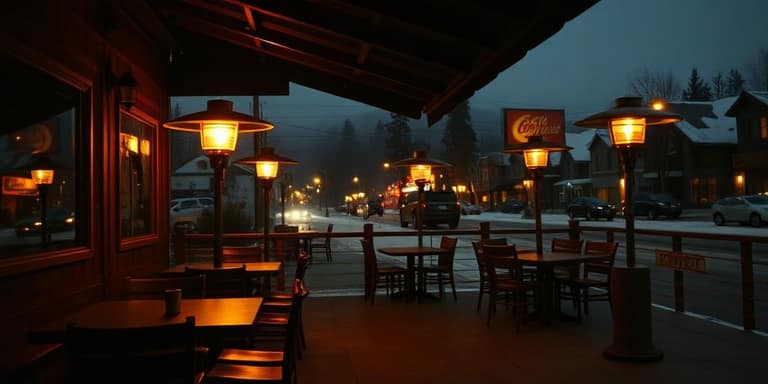
01Patio infrastructure, heaters, and enclosures are a real capital line, not a decoration
02Dual state and municipal liquor licensing adds time to any bar buildout
03Resort market payroll spikes months before resort revenue arrives
Which program usually fits here
Patio enclosures and heaters pay for themselves in extra service months, which makes them one of the easier expansion cases to get approved.
Markets we serve in Colorado
We work with operators across Colorado, including Denver, Colorado Springs, Boulder, Fort Collins, Aurora, and Vail. Rural and small market operators qualify for the same programs.
Front Range volume is steady with a patio lift from May through September, and mountain towns run two peaks split by shoulder seasons that empty the dining rooms
Patio infrastructure, heaters, and enclosures are a real capital line, not a decoration
Acquisition, refinance, or a longer buildout
Estimates, not offers: Amounts, terms, and funding times are estimates based on programs commonly available in food service. Actual terms vary by program, lender underwriting, time in business, revenue, and credit profile. Nothing here is an offer of credit or a guarantee of approval. See source and method.
Educational only. Not an offer to lend, a commitment to fund, or a rate quote. Figures are illustrative and actual terms are set by the funding partner after underwriting. Downloading this does not create a brokerage, advisory, or fiduciary relationship with Foody Finance.
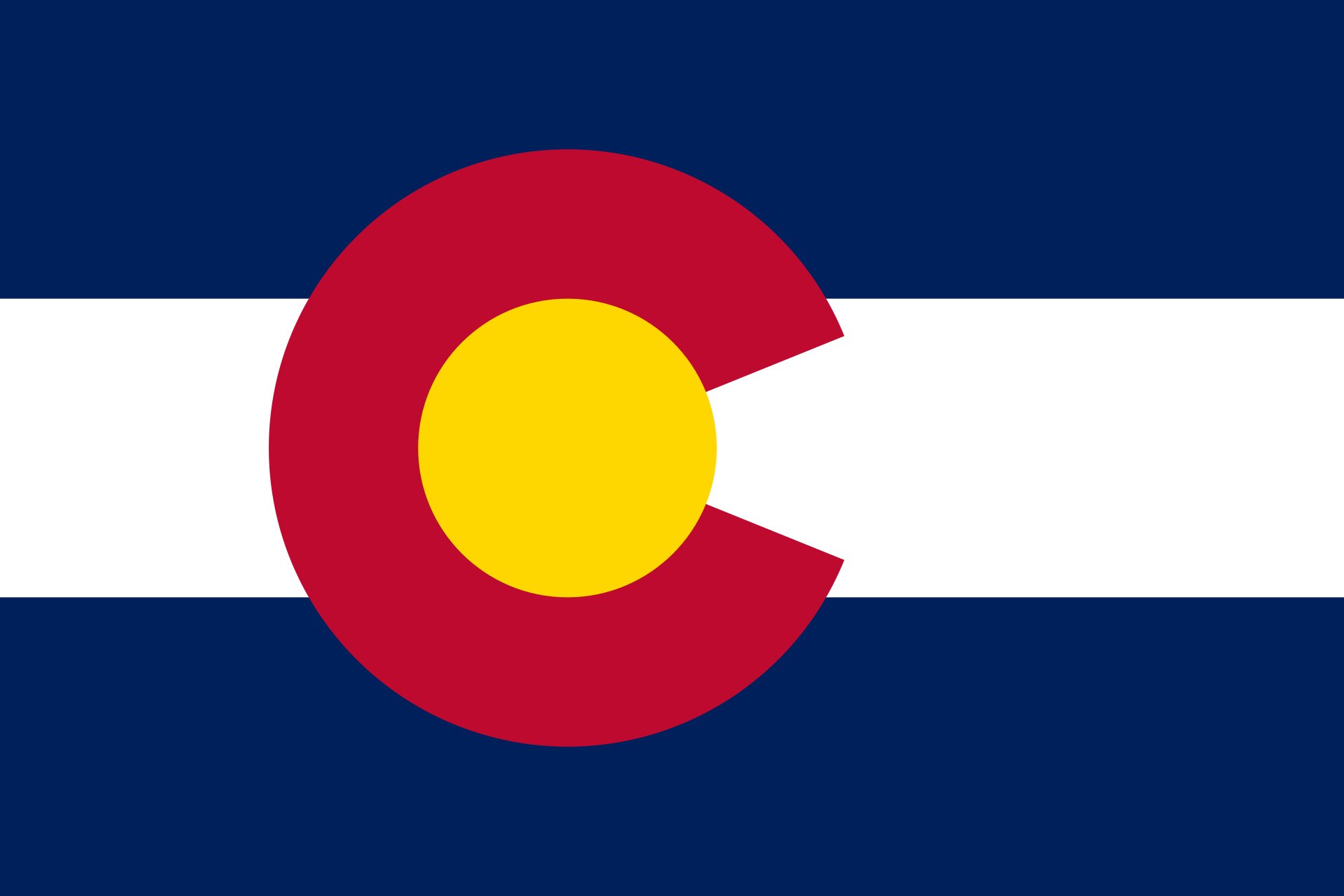
One page PDF with the Colorado timelines table and the state plate photo
Colorado plateGreen chile smothered burritoMountain seasons swing covers hard, and batch cooked staples let a kitchen flex staffing without flexing menu quality
Financing terms on this page
Definitions for the terms used above. Every term links to its entry in the full glossary.
Money for the work that turns a space into a working kitchen: plumbing, electrical, hoods, walls, and permits. It pays for labor and materials you cannot resell, so it is priced differently than money for a fryer.
A loan or lease tied to a specific machine. The machine itself is the security, so approval leans on the value of the hardware more than on your bank statements.
A formal credit check that shows on your report and can move your score a few points. It happens only after you pick a specific lender, not to get information.
A preapproved pool of money you pull from only when you need it, then pay back and reuse. You pay for what you draw, not for the full amount sitting there.
Yes. Food service operators in Colorado are referred for equipment financing, working capital, lines of credit, SBA loans, and buildout capital. Program availability varies by state. Merchant cash advance and other revenue-based financing structures are not offered to businesses in Texas, Virginia, or Connecticut.
How fast can a Colorado restaurant get funded?
Short term programs commonly fund in 1 to 3 business days and equipment requests in 1 to 5. SBA financing in Colorado runs 3 to 12 weeks.
Can a Colorado mountain restaurant finance through the shoulder season?
Yes, and it is the common use case. Requests here are usually sized to cover April through May and October through November, when payroll and rent continue while covers do not.
Which Colorado cities do you serve?
All of them. Operators we work with in Colorado run in Denver, Colorado Springs, Boulder, Fort Collins, Aurora, and Vail, along with smaller markets across the state. Underwriting reviews deposits and the use of funds, not the population of the market.
What documents do Colorado operators need?
For the first review, just the form. If you choose a short term program, the lender usually asks for 3 to 6 months of business bank statements. SBA adds tax returns, interim financials, and a debt schedule.
Does Colorado licensing affect financing?
Licensing affects buildout timelines and, in some transactions, collateral value. Include local permitting details in the request so a funding partner can account for them when structuring financing.
Do I need a hard credit pull to start in Colorado?
No. Our team reviews your request and looks for a funding partner that fits without a hard credit pull. A funding partner discusses programs with you and obtains your authorization before any hard credit pull.
What is buildout and expansion, and when does it fit a Colorado operator?
Construction money for the work that turns a space into a working kitchen, usually released in stages as the job progresses. Use it for a second location, a remodel, a patio, or a kitchen conversion, and size it to cover the permit wait, not just the build. Typical size is 50,000 to 2,000,000, funding runs 1 to 4 weeks once you choose an offer, and you repay it as fixed payment, often with a draw schedule. You will be asked for: application, contractor bids, lease, financials.
What is equipment financing, and when does it fit a Colorado operator?
You borrow against a specific machine, and the machine is what backs the loan. Use it when a fryer, a walk-in, an oven, or a vehicle has to be replaced and you would rather keep the cash in the account. Typical size is 5,000 to 500,000, funding runs 1 to 5 business days once you choose an offer, and you repay it as fixed monthly payment. You will be asked for: application, equipment quote, bank statements.
What is working capital, and when does it fit a Colorado operator?
Cash for the everyday gaps, repaid out of sales on a set schedule instead of at the end of a project. Use it for payroll, inventory, a slow stretch, or a job you have to fund before the client pays you. Typical size is 10,000 to 500,000, funding runs 1 to 3 business days once you choose an offer, and you repay it as fixed daily, weekly, or monthly payment. You will be asked for: application, 3 to 6 months of bank statements.
Why does the Colorado calendar change what I should borrow?
Front Range volume holds, patio season adds 5 strong months, and mountain towns earn in 2 peaks with genuinely quiet weeks between them.
What does waiting actually cost me in Colorado?
State and city liquor approval stack on top of each other. A bar that finishes construction can sit dark for weeks waiting on paperwork while the lease runs.
Which program do most Colorado operators end up using?
Patio enclosures and heaters pay for themselves in extra service months, which makes them one of the easier expansion cases to get approved. That is a starting point, not a decision. Our team reviews your deposits, time in business, and use of funds before looking for a funding partner that fits.
Does asking about financing in Colorado affect my credit?
No. Getting information is a conversation, not an application. There is no credit application and no hard credit pull until you have picked a specific lender and want to move forward.
A location page indicates that Foody Finance is taking clients in that market. It does not represent a physical office, storefront, or licensed presence in that city or state. All services are delivered remotely by our US-based team.
Start the conversation
Send a request before you fill out an application
Start with a free, no-obligation request. Our team reviews it and looks for a funding partner that fits.