Yes. Foody Finance works with restaurants, bars, caterers, food trucks, ghost kitchens, and distributors across Nevada. Equipment requests commonly fund in 1 to 5 business days, working capital in 1 to 3, and SBA financing in 3 to 12 weeks.
Estimates, not offers: Amounts, terms, and funding times are estimates based on programs commonly available in food service. Actual terms vary by program, lender underwriting, time in business, revenue, and credit profile. Nothing here is an offer of credit or a guarantee of approval. See source and method.
How Nevada actually makes its money in food
01
What Nevada actually orders
Las Vegas Strip menus run on 24-hour service, buffet economics reinvented as curated food halls, and steakhouse pricing that assumes a convention or gaming budget behind every check. Downtown and off-Strip locals eat differently: carne asada burritos and machaca plates in East Las Vegas, Basque family-style lamb and beans in Elko and Winnemucca leftover from sheepherder history, and diner-style biscuits and gravy in Reno casinos that still chase the value crowd. Lake Tahoe's North Shore leans into apres-ski comfort food and lakeside seafood markups during summer boating season. Rural Nevada along Highway 50 survives on truck-stop and casino-diner combos where a full breakfast stays priced for long-haul drivers, not tourists. Reno's downtown core has added Basque-Peruvian fusion and craft brewery kitchens tied to the Tesla Gigafactory workforce in Storey County. Statewide, portion sizes trend large because comped and discounted meals set customer price expectations low even at full-service restaurants. A steakhouse on the Strip can charge triple what an identical cut costs in Sparks, and both operate at capacity on different nights of the week, which forces menu pricing to absorb whichever crowd shows up and creates uneven per-cover revenue night to night.
02
How casinos and mining built Nevada's plate
Nevada's restaurant map traces directly to the Comstock Lode silver rush, Basque shepherds recruited in the late 1800s to run sheep across the Great Basin, and the legalization of gambling in 1931 that made Reno and later Las Vegas destinations built around feeding transient crowds at odd hours. Chinese laborers who built the transcontinental railroad left noodle houses and grocery networks still visible in Reno's old Chinatown. Basque hotels in Elko, Winnemucca, and Gardnerville became boarding houses with communal dining rooms, a format still run by descendant families. The Hoover Dam workforce in the 1930s built Boulder City's diner culture. Corporate casino consolidation from the 1990s onward, led by companies like MGM Resorts and Caesars, pulled celebrity chef restaurants into Las Vegas and created a two-tier ownership pattern: publicly traded resort companies leasing kitchen space to branded operators on the Strip, and independent family owners running everything off it. Reno's shift toward tech and logistics employers since 2015 added a newer wave of owners opening fast-casual concepts near warehouse corridors. That split ownership structure means lease terms and rent escalations differ wildly by zip code, which changes how fast an independent operator can recover buildout costs.
03
Nevada's calendar of conventions and seasons
Las Vegas restaurant volume tracks the convention calendar more than the weather: CES in early January, the Consumer Electronics wave, NAB in April, and a steady flow of trade shows fill hotel restaurants while the surrounding off-Strip scene sees smaller spikes. Formula 1's November race weekend and UFC fight cards throughout the year create single-weekend surges that can rival a normal month's covers. Summer heat above 105 degrees drops daytime foot traffic outdoors but pushes people into air-conditioned casino food courts and pool-adjacent bars. Reno's calendar runs on Hot August Nights, the Reno Rodeo in June, and Burning Man's late-August exodus traffic that fills Fernley and Sparks diners for one week straight. Ski season from December through March drives Tahoe-area restaurant staffing up, then leaves a mud-season gap in April and November when both skiers and boaters are absent. Elko's National Cowboy Poetry Gathering in late January is the single biggest week of the year for that town's restaurants. This calendar means a Strip restaurant's slowest month can still outperform a rural Nevada restaurant's best month, and any single canceled convention or festival creates a cash gap that has no offsetting local demand to fill it.
04
Who staffs Nevada's kitchens
The Culinary Workers Union Local 226 sets wage floors and benefits across most large Strip properties, covering tens of thousands of hospitality workers and creating a union-scale cost baseline that off-Strip independents do not carry but must still compete against for labor. Nevada's minimum wage reached a single tier requiring health insurance be offered separately as of mid-2024, changing how small operators structure part-time schedules. Off-Strip and rural restaurants pull heavily from a mixed labor pool: Filipino and Mexican immigrant communities dominate back-of-house roles in Las Vegas, while Basque and Mexican ranch labor histories still shape hiring in Elko County. Housing costs in Clark County have pushed workers further from the Strip into Henderson and North Las Vegas, lengthening commutes and increasing no-show rates during triple-digit summer heat. Reno's restaurant labor market now competes directly with warehouse and logistics employers paying comparable wages with less physical demand, a pressure independent of Las Vegas dynamics. Family-owned Basque and Mexican restaurants still rely on multigenerational staffing that resists turnover better than corporate concepts. Casino-adjacent restaurants can absorb labor cost swings through resort fees and banquet minimums that independents cannot access, leaving small operators exposed to payroll gaps whenever a slow week hits without that cushion.
05
What it costs to run a kitchen in Nevada
Nevada has no state corporate or personal income tax, which offsets some of the state's high commercial rent and modified business tax on payroll above a threshold. Las Vegas Strip and Downtown lease rates run far above national casual-dining averages because landlords price space against gaming and retail revenue potential, not restaurant margins alone. Off-Strip Las Vegas and most of Reno offer commercial rent closer to national suburban norms, but water rights and desert climate control costs raise utility bills year-round, with summer air conditioning loads pushing kitchens into their highest utility months during the slowest tourist season. Produce sourcing depends almost entirely on trucked-in supply from California's Central Valley and Arizona, since Nevada's arid climate supports little in-state produce farming beyond alfalfa and some Pahrump-area crops, making freight cost and delivery reliability a bigger factor than in agricultural states. Liquor licensing in Clark County carries added cost and administrative delay compared to many states, extending timelines for restaurants planning full bar service. Property insurance has risen sharply statewide due to wildfire risk in the Sierra foothills and extreme heat liability concerns. These combined pressures mean a kitchen's highest-cost month for cooling often lands during its lowest-revenue tourist month, squeezing cash reserves precisely when they are thinnest.
06
Where Nevada restaurants expand next
New restaurant development in Nevada concentrates along the Las Vegas Strip's ongoing resort corridor expansion and in fast-growing suburban rings like Summerlin, Henderson, and the southwest valley, where residential build-out since 2015 has outpaced existing dining supply. Reno's expansion follows the Tahoe-Reno Industrial Center and the logistics and battery manufacturing corridor along Interstate 80, where new rooftops from warehouse and tech employment create demand for fast-casual and lunch-focused concepts near industrial parks rather than downtown. Henderson's Green Valley and Lake Las Vegas areas continue drawing suburban chain and franchise growth aimed at families relocating from California. Rural Nevada sees almost no new restaurant construction outside of travel-corridor gas station and casino redevelopment along Interstate 80 and US 95, where existing structures get repurposed rather than built new. Water availability increasingly limits new construction permits in parts of Clark County, adding permitting timelines that did not exist a decade ago. Landlords in high-growth suburban centers now favor build-to-suit deals with multi-year lease commitments over shorter terms. That shift toward build-to-suit financing structures means new operators face longer buildout and permitting delays before their first dollar of revenue arrives.
Licensing and permitting in Nevada, and what it costs to wait
The Southern Nevada Health District and other local authorities issue food permits, with plan review required for buildouts.
Plan review gates the buildout while rent runs, and consistent card volume is what lets operators here cover that gap with revenue based structures.
What Nevada operators finance
Card volume based structures underwrite well here given consistent processing history.
The Nevada revenue calendar
Convention calendars drive Las Vegas volume more than the tourist season does, and Reno follows both events and Tahoe traffic.
Revenue mix and seasonality in Nevada
Las Vegas revenue is convention and visitor driven with high card volume and consistent processing history, while Reno and the rest of the state run on locals and seasonal recreation.
What this does to your numbers
Convention weeks drive Las Vegas volume more than tourism does, and Reno follows both events and Tahoe traffic.
What a delay costs in Nevada
High throughput kitchens wear equipment faster than the average volume suggests, so a fryer here fails years before the same unit would elsewhere.
What underwriting looks at in Nevada
01Convention weeks create extreme swings in staffing and inventory needs
02High throughput kitchens wear equipment faster than average volume suggests
03Off Strip neighborhood concepts run on entirely different economics than resort adjacent ones
Which program usually fits here
Plan replacement on a schedule instead of a failure, and size inventory and staffing capital against convention weeks rather than an average month.
Markets we serve in Nevada
We work with operators across Nevada, including Las Vegas, Reno, Henderson, Sparks, North Las Vegas, and Carson City. Rural and small market operators qualify for the same programs.
Convention calendars drive Las Vegas volume more than the tourist season does, and Reno follows both events and Tahoe traffic
Convention weeks create extreme swings in staffing and inventory needs
Acquisition, refinance, or a longer buildout
Estimates, not offers: Amounts, terms, and funding times are estimates based on programs commonly available in food service. Actual terms vary by program, lender underwriting, time in business, revenue, and credit profile. Nothing here is an offer of credit or a guarantee of approval. See source and method.
Educational only. Not an offer to lend, a commitment to fund, or a rate quote. Figures are illustrative and actual terms are set by the funding partner after underwriting. Downloading this does not create a brokerage, advisory, or fiduciary relationship with Foody Finance.
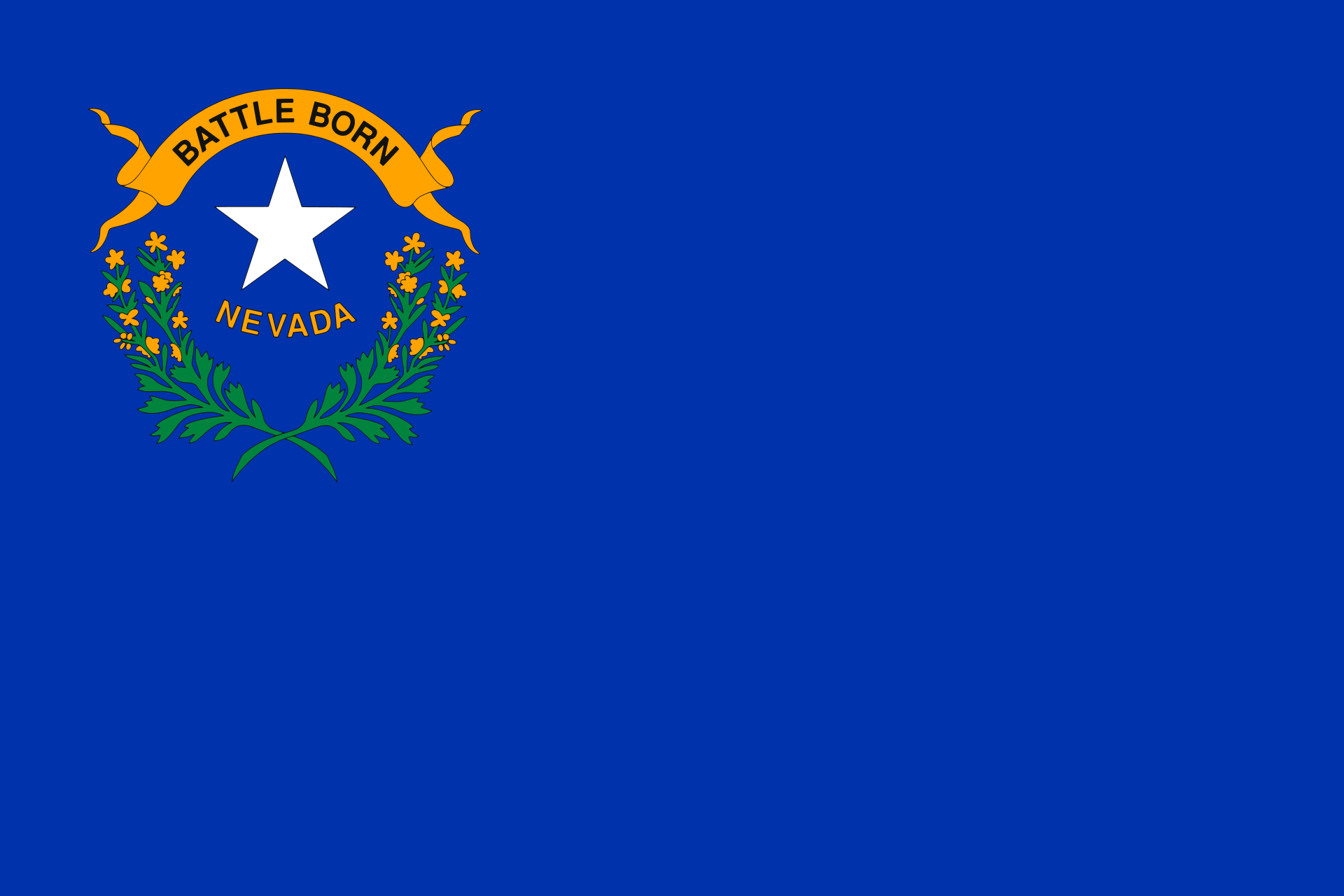
One page PDF with the Nevada timelines table and the state plate photo
Nevada plateShrimp cocktailTwenty four hour service means equipment never rests, which shortens replacement cycles across the board
Financing terms on this page
Definitions for the terms used above. Every term links to its entry in the full glossary.
A preapproved pool of money you pull from only when you need it, then pay back and reuse. You pay for what you draw, not for the full amount sitting there.
A loan or lease tied to a specific machine. The machine itself is the security, so approval leans on the value of the hardware more than on your bank statements.
Money for the work that turns a space into a working kitchen: plumbing, electrical, hoods, walls, and permits. It pays for labor and materials you cannot resell, so it is priced differently than money for a fryer.
A formal credit check that shows on your report and can move your score a few points. It happens only after you pick a specific lender, not to get information.
The city or county reading your kitchen drawings before you are allowed to build. Nothing gets installed until it clears, and rent runs the whole time.
Yes. Food service operators in Nevada are referred for equipment financing, working capital, lines of credit, SBA loans, and buildout capital. Program availability varies by state. Merchant cash advance and other revenue-based financing structures are not offered to businesses in Texas, Virginia, or Connecticut.
How fast can a Nevada restaurant get funded?
Short term programs commonly fund in 1 to 3 business days and equipment requests in 1 to 5. SBA financing in Nevada runs 3 to 12 weeks.
How does the convention calendar affect a Las Vegas financing request?
It creates a working capital pattern rather than a growth one. Inventory and labor spike for a specific week and settle after, so a revolving line matches the pattern better than a term loan.
Which Nevada cities do you serve?
All of them. Operators we work with in Nevada run in Las Vegas, Reno, Henderson, Sparks, North Las Vegas, and Carson City, along with smaller markets across the state. Underwriting reviews deposits and the use of funds, not the population of the market.
What documents do Nevada operators need?
For the first review, just the form. If you choose a short term program, the lender usually asks for 3 to 6 months of business bank statements. SBA adds tax returns, interim financials, and a debt schedule.
Does Nevada licensing affect financing?
Licensing affects buildout timelines and, in some transactions, collateral value. Include local permitting details in the request so a funding partner can account for them when structuring financing.
Do I need a hard credit pull to start in Nevada?
No. Our team reviews your request and looks for a funding partner that fits without a hard credit pull. A funding partner discusses programs with you and obtains your authorization before any hard credit pull.
What is working capital, and when does it fit a Nevada operator?
Cash for the everyday gaps, repaid out of sales on a set schedule instead of at the end of a project. Use it for payroll, inventory, a slow stretch, or a job you have to fund before the client pays you. Typical size is 10,000 to 500,000, funding runs 1 to 3 business days once you choose an offer, and you repay it as fixed daily, weekly, or monthly payment. You will be asked for: application, 3 to 6 months of bank statements.
What is equipment financing, and when does it fit a Nevada operator?
You borrow against a specific machine, and the machine is what backs the loan. Use it when a fryer, a walk-in, an oven, or a vehicle has to be replaced and you would rather keep the cash in the account. Typical size is 5,000 to 500,000, funding runs 1 to 5 business days once you choose an offer, and you repay it as fixed monthly payment. You will be asked for: application, equipment quote, bank statements.
What is buildout and expansion, and when does it fit a Nevada operator?
Construction money for the work that turns a space into a working kitchen, usually released in stages as the job progresses. Use it for a second location, a remodel, a patio, or a kitchen conversion, and size it to cover the permit wait, not just the build. Typical size is 50,000 to 2,000,000, funding runs 1 to 4 weeks once you choose an offer, and you repay it as fixed payment, often with a draw schedule. You will be asked for: application, contractor bids, lease, financials.
Why does the Nevada calendar change what I should borrow?
Convention weeks drive Las Vegas volume more than tourism does, and Reno follows both events and Tahoe traffic.
What does waiting actually cost me in Nevada?
High throughput kitchens wear equipment faster than the average volume suggests, so a fryer here fails years before the same unit would elsewhere.
Which program do most Nevada operators end up using?
Plan replacement on a schedule instead of a failure, and size inventory and staffing capital against convention weeks rather than an average month. That is a starting point, not a decision. Our team reviews your deposits, time in business, and use of funds before looking for a funding partner that fits.
Does asking about financing in Nevada affect my credit?
No. Getting information is a conversation, not an application. There is no credit application and no hard credit pull until you have picked a specific lender and want to move forward.
A location page indicates that Foody Finance is taking clients in that market. It does not represent a physical office, storefront, or licensed presence in that city or state. All services are delivered remotely by our US-based team.
Start the conversation
Send a request before you fill out an application
Start with a free, no-obligation request. Our team reviews it and looks for a funding partner that fits.