Yes. Foody Finance works with restaurants, bars, caterers, food trucks, ghost kitchens, and distributors across Virginia. Equipment requests commonly fund in 1 to 5 business days, working capital in 1 to 3, and SBA financing in 3 to 12 weeks.
Estimates, not offers: Amounts, terms, and funding times are estimates based on programs commonly available in food service. Actual terms vary by program, lender underwriting, time in business, revenue, and credit profile. Nothing here is an offer of credit or a guarantee of approval. See source and method.
How Virginia actually makes its money in food
01
What Virginia actually orders
Virginia ham built the state's food identity before the republic existed, and Smithfield-style country ham still anchors menus from the Eastern Shore to the Shenandoah Valley, usually priced as a breakfast plate or a biscuit add-on rather than a standalone entree. Chesapeake Bay blue crab drives summer menus in Hampton Roads and the Northern Neck, with crab cakes, she-crab soup, and picked crab sold by the pound at roadside stands. Peanuts from Suffolk and the Southside counties show up boiled, roasted, and baked into pie. Northern Virginia, tied economically to Washington D.C., runs a different menu entirely, with Korean barbecue in Annandale, Salvadoran pupusas in Arlington, and Ethiopian restaurants along Columbia Pike serving a federal workforce with expense accounts and lunch budgets far above the state median. Richmond's food scene splits between Southern-revival tasting menus near VCU and barbecue joints in the East End. A crab cake sandwich in Virginia Beach runs noticeably higher than the same plate inland in Danville or Martinsville, where a full country ham breakfast still undercuts the coastal price by several dollars, a gap that forces owners to plan separate pricing sheets for coastal and inland locations rather than one statewide menu.
02
How agriculture, ports, and the military shaped Virginia's kitchens
Colonial Tidewater plantations established the ham-curing and peanut-farming traditions that still supply Southside processors. The Port of Virginia in Hampton Roads brought waves of immigration tied to shipbuilding at Newport News, and today Filipino and Vietnamese families who arrived through naval postings at Norfolk own a large share of the area's independent restaurants. The Pentagon and the broader Department of Defense presence in Arlington and Fairfield County pulled in a rotating international population that never assimilated to a single regional cuisine, which is why Northern Virginia strip malls hold Peruvian chicken counters next to Afghan kebab houses. Charlottesville and Blacksburg grew college-town restaurant economies around the University of Virginia and Virginia Tech, financed heavily by out-of-state student spending during the academic year. Coal money in the far Southwest, around Wise and Buchanan counties, built an entirely separate diner and truck-stop economy along Route 23 that has little in common with the coast. This layered ownership history means ham houses, naval-family restaurants, and immigrant strip-mall kitchens operate on completely different financing timelines within the same state, and owners entering the market face wildly uneven capital needs depending on which Virginia they choose.
03
Virginia's calendar: harvests, holidays, and Hampton Roads tourism
The Chesapeake Bay crab season runs April through November, with peak volume and peak price in July and August when tourist traffic in Virginia Beach and the Northern Neck is highest. Peanut harvest across Southampton and Sussex counties happens in September and October, and the Suffolk Peanut Fest draws regional crowds that restaurants there depend on for a fourth-quarter bump. Virginia Tech and University of Virginia football Saturdays from September through November move enormous volume through Blacksburg and Charlottesville bars and wing spots, while both towns go quiet during winter and summer breaks. The Virginia Wine Festival circuit through Loudoun and Albemarle counties peaks in fall, feeding tasting-room restaurants tied to the state's wine industry. Colonial Williamsburg and the Historic Triangle carry steady but seasonal tourist volume, spiking around July 4th and Thanksgiving reenactment weekends. Ski season around Wintergreen and Massanutten brings a short winter bump to Nelson and Rockingham counties that has nothing to do with the coastal calendar. A Virginia Beach restaurant earning most of its year in a 12-week summer window has to fund payroll through a slow winter, while a Blacksburg bar loses that same cash flow every December and May when students leave town.
04
Who runs Virginia's restaurants and who's on the schedule
Family-owned ham houses and crab shacks dominate rural Tidewater and the Eastern Shore, often multi-generational and cash-based, while Northern Virginia's restaurant scene tilts toward immigrant-owned independents and multi-unit franchise groups feeding off Fairfax and Loudoun's corporate office parks. Virginia's minimum wage has risen above the federal floor in recent years, and Northern Virginia operators compete directly against federal contractor and tech-adjacent employers for hourly labor, pushing effective wages there well past the state minimum regardless of statute. Rural Southside and far Southwest restaurants face the opposite problem, with population decline in coal counties shrinking the available labor pool even as wage pressure stays lower. College towns like Blacksburg and Harrisonburg lean on student labor that evaporates during finals and summer break, forcing owners to rehire and retrain twice a year. Hampton Roads restaurants pull staff from a large veteran and military-spouse population accustomed to shift work but frequently relocated by orders. This mix means a single staffing model does not travel across the state, and owners who overhire during Virginia Beach's summer peak often carry idle payroll into a September falloff.
05
What it costs to run a kitchen in Virginia
Commercial rent in Arlington and Alexandria rivals urban Maryland and D.C. rates, while equivalent square footage in Danville, Martinsville, or the far Southwest coalfields costs a fraction of that, creating one of the widest intrastate rent gaps on the East Coast. Seafood costs track the Chesapeake Bay harvest directly, and a poor blue crab season pushes wholesale prices up fast for any restaurant committed to a crab-heavy menu, while inland beef and poultry sourcing from Shenandoah Valley producers stays comparatively stable. Virginia's utility costs sit near the national middle, but Hampton Roads flood insurance requirements for coastal properties add a cost line that inland Piedmont restaurants never see. Liquor licensing through Virginia ABC involves state-level control that differs from neighboring North Carolina or Maryland, adding processing time new operators must budget around. Produce sourcing splits between Eastern Shore truck farms supplying summer tomatoes and greens and long-haul trucking for winter produce statewide. A coastal restaurant absorbing a bad crab season alongside rising flood insurance premiums can see two major cost lines move against it in the same quarter, straining cash reserves built during the prior summer.
06
Where Virginia's restaurant growth is headed
New restaurant openings concentrate in Loudoun and Prince William counties, where Northern Virginia's suburban sprawl keeps adding rooftops and data-center jobs that support daytime lunch traffic. Richmond's Scott's Addition neighborhood, converted from industrial warehouses, has become the preferred expansion site for breweries and chef-driven concepts moving out of the city's older Fan and Carytown districts. Virginia Beach's Oceanfront corridor keeps drawing seasonal concepts despite high buildout costs tied to hurricane-code construction requirements near the water. Charlottesville's growth is constrained by university-town zoning that limits new commercial space, pushing overflow demand into surrounding Albemarle County. The far Southwest and much of Southside see closures outpacing openings as population declines, leaving buildings vacant but rarely cheap to renovate due to age and deferred maintenance. Winchester and the northern Shenandoah Valley are drawing overflow growth from priced-out Northern Virginia operators looking for lower rent within commuting distance of the D.C. market. Hurricane-code construction requirements near Virginia Beach add real weeks to any buildout timeline, delaying opening dates and extending the period before a new location generates revenue.
Licensing and permitting in Virginia, and what it costs to wait
The Department of Health issues restaurant permits, with ABC handling alcohol licensing.
Northern Virginia review timelines run longer than the rest of the state, so expansion capital across those markets is sized per jurisdiction rather than statewide.
What Virginia operators finance
Catering working capital and equipment financing lead in the north, buildout capital elsewhere.
The Virginia revenue calendar
Northern Virginia follows the DC weekday calendar, Virginia Beach runs on summer, and Richmond and Charlottesville hold steadier with event peaks.
Revenue mix and seasonality in Virginia
Northern Virginia runs on corporate and government catering, Richmond and Hampton Roads on dinner and weekend volume, and coastal properties add a summer peak.
What this does to your numbers
Northern Virginia follows the weekday office and government calendar, Virginia Beach runs on summer, and the rest of the state holds steadier.
What a delay costs in Virginia
Government and contractor catering pays on terms, so the food cost and payroll leave your account 30 to 60 days before the payment lands.
What underwriting looks at in Virginia
01ABC licensing runs through a state authority with its own approval timeline
02Government and contractor catering carries extended payment terms
A line of credit sized to your outstanding invoices turns slow paying accounts into a scheduling issue instead of a payroll problem.
Markets we serve in Virginia
We work with operators across Virginia, including Virginia Beach, Richmond, Arlington, Alexandria, Norfolk, Charlottesville, and Roanoke. Rural and small market operators qualify for the same programs.
Northern Virginia follows the DC weekday calendar, Virginia Beach runs on summer, and Richmond and Charlottesville hold steadier with event peaks
ABC licensing runs through a state authority with its own approval timeline
Acquisition, refinance, or a longer buildout
Estimates, not offers: Amounts, terms, and funding times are estimates based on programs commonly available in food service. Actual terms vary by program, lender underwriting, time in business, revenue, and credit profile. Nothing here is an offer of credit or a guarantee of approval. See source and method.
Educational only. Not an offer to lend, a commitment to fund, or a rate quote. Figures are illustrative and actual terms are set by the funding partner after underwriting. Downloading this does not create a brokerage, advisory, or fiduciary relationship with Foody Finance.
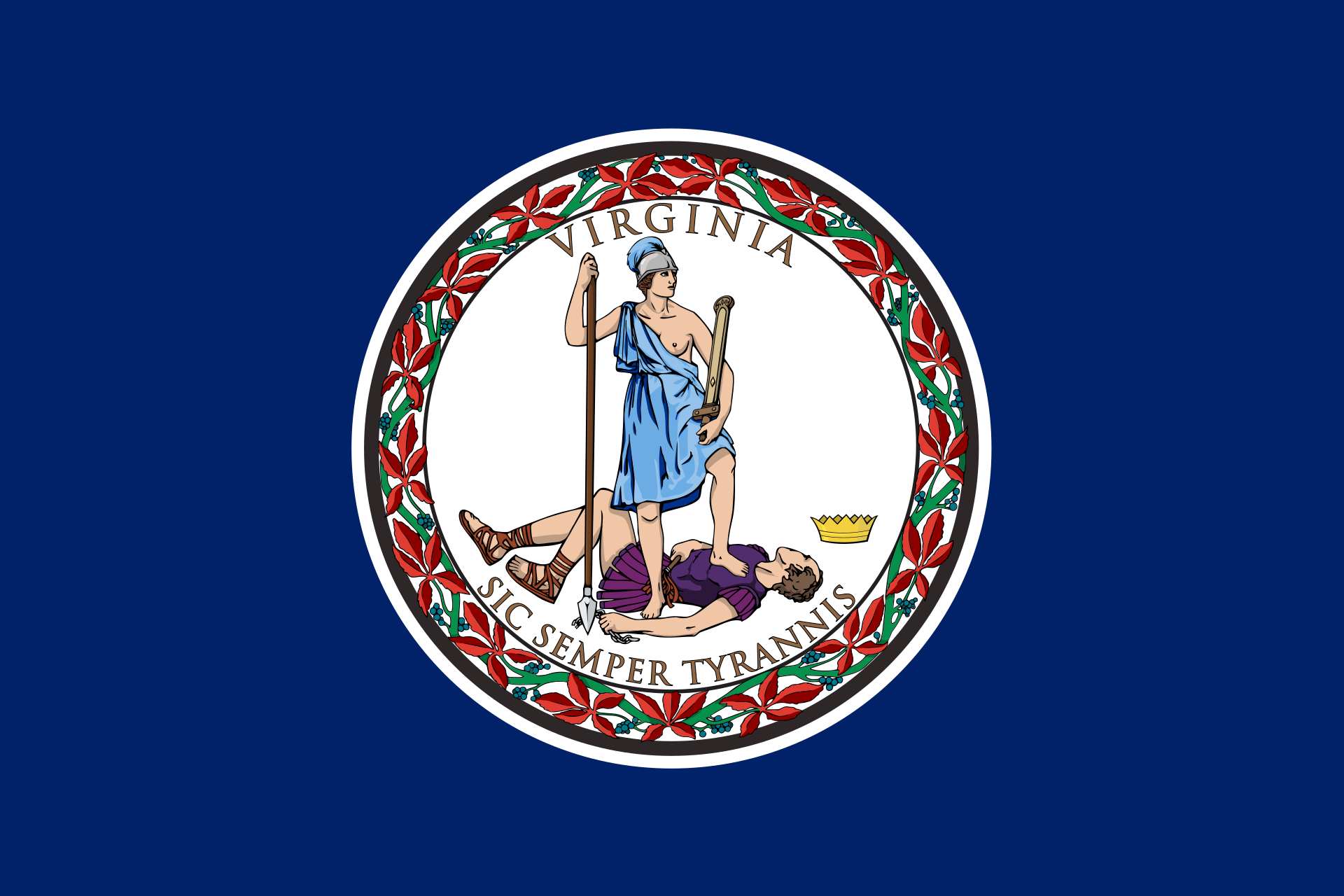
One page PDF with the Virginia timelines table and the state plate photo
Virginia plateCountry ham biscuitContract and government catering pays on net terms, so the receivable gap is the financing problem, not the kitchen
Financing terms on this page
Definitions for the terms used above. Every term links to its entry in the full glossary.
A loan or lease tied to a specific machine. The machine itself is the security, so approval leans on the value of the hardware more than on your bank statements.
Money for the work that turns a space into a working kitchen: plumbing, electrical, hoods, walls, and permits. It pays for labor and materials you cannot resell, so it is priced differently than money for a fryer.
A preapproved pool of money you pull from only when you need it, then pay back and reuse. You pay for what you draw, not for the full amount sitting there.
A formal credit check that shows on your report and can move your score a few points. It happens only after you pick a specific lender, not to get information.
Yes. Food service operators in Virginia are referred for equipment financing, working capital, lines of credit, SBA loans, and buildout capital. Program availability varies by state. Merchant cash advance and other revenue-based financing structures are not offered to businesses in Texas, Virginia, or Connecticut.
How fast can a Virginia restaurant get funded?
Short term programs commonly fund in 1 to 3 business days and equipment requests in 1 to 5. SBA financing in Virginia runs 3 to 12 weeks.
Why do Northern Virginia caterers use lines of credit?
Contract and government clients pay on net terms while food and labor are paid immediately. The gap is a receivable timing problem, and a revolving line closes it without adding a fixed monthly obligation.
Which Virginia cities do you serve?
All of them. Operators we work with in Virginia run in Virginia Beach, Richmond, Arlington, Alexandria, Norfolk, Charlottesville, and Roanoke, along with smaller markets across the state. Underwriting reviews deposits and the use of funds, not the population of the market.
What documents do Virginia operators need?
For the first review, just the form. If you choose a short term program, the lender usually asks for 3 to 6 months of business bank statements. SBA adds tax returns, interim financials, and a debt schedule.
Does Virginia licensing affect financing?
Licensing affects buildout timelines and, in some transactions, collateral value. Include local permitting details in the request so a funding partner can account for them when structuring financing.
Do I need a hard credit pull to start in Virginia?
No. Our team reviews your request and looks for a funding partner that fits without a hard credit pull. A funding partner discusses programs with you and obtains your authorization before any hard credit pull.
What is working capital, and when does it fit a Virginia operator?
Cash for the everyday gaps, repaid out of sales on a set schedule instead of at the end of a project. Use it for payroll, inventory, a slow stretch, or a job you have to fund before the client pays you. Typical size is 10,000 to 500,000, funding runs 1 to 3 business days once you choose an offer, and you repay it as fixed daily, weekly, or monthly payment. You will be asked for: application, 3 to 6 months of bank statements.
What is equipment financing, and when does it fit a Virginia operator?
You borrow against a specific machine, and the machine is what backs the loan. Use it when a fryer, a walk-in, an oven, or a vehicle has to be replaced and you would rather keep the cash in the account. Typical size is 5,000 to 500,000, funding runs 1 to 5 business days once you choose an offer, and you repay it as fixed monthly payment. You will be asked for: application, equipment quote, bank statements.
What is buildout and expansion, and when does it fit a Virginia operator?
Construction money for the work that turns a space into a working kitchen, usually released in stages as the job progresses. Use it for a second location, a remodel, a patio, or a kitchen conversion, and size it to cover the permit wait, not just the build. Typical size is 50,000 to 2,000,000, funding runs 1 to 4 weeks once you choose an offer, and you repay it as fixed payment, often with a draw schedule. You will be asked for: application, contractor bids, lease, financials.
Why does the Virginia calendar change what I should borrow?
Northern Virginia follows the weekday office and government calendar, Virginia Beach runs on summer, and the rest of the state holds steadier.
What does waiting actually cost me in Virginia?
Government and contractor catering pays on terms, so the food cost and payroll leave your account 30 to 60 days before the payment lands.
Which program do most Virginia operators end up using?
A line of credit sized to your outstanding invoices turns slow paying accounts into a scheduling issue instead of a payroll problem. That is a starting point, not a decision. Our team reviews your deposits, time in business, and use of funds before looking for a funding partner that fits.
Does asking about financing in Virginia affect my credit?
No. Getting information is a conversation, not an application. There is no credit application and no hard credit pull until you have picked a specific lender and want to move forward.
A location page indicates that Foody Finance is taking clients in that market. It does not represent a physical office, storefront, or licensed presence in that city or state. All services are delivered remotely by our US-based team.
Start the conversation
Send a request before you fill out an application
Start with a free, no-obligation request. Our team reviews it and looks for a funding partner that fits.