Yes. Foody Finance works with restaurants, bars, caterers, food trucks, ghost kitchens, and distributors across Oklahoma. Equipment requests commonly fund in 1 to 5 business days, working capital in 1 to 3, and SBA financing in 3 to 12 weeks.
Estimates, not offers: Amounts, terms, and funding times are estimates based on programs commonly available in food service. Actual terms vary by program, lender underwriting, time in business, revenue, and credit profile. Nothing here is an offer of credit or a guarantee of approval. See source and method.
How Oklahoma actually makes its money in food
01
What Oklahoma actually orders
Fried onion burgers, smashed thin with a pile of onions cooked directly into the patty, trace to El Reno and remain a defended regional specialty with an annual festival built around them. Chicken fried steak with cream gravy anchors diners statewide as a lunch special priced to move volume rather than margin. Tulsa's food scene, built on oil-era wealth, supports a denser steakhouse and upscale dining concentration than Oklahoma City's more spread-out suburban pattern. Barbecue in Oklahoma sits stylistically between Texas brisket and Kansas City sauce-forward traditions, without a single dominant style claiming the state. Native nation food sovereignty programs, particularly among the Cherokee, Choctaw, and Muscogee nations, have brought traditional foods like frybread, sofkee, and grape dumplings back onto public menus at cultural centers and casino restaurants. Chicken and dumplings and other Dust Bowl-era comfort dishes remain common in small towns across the western half of the state. Vietnamese and Laotian immigrant-owned restaurants concentrate along Oklahoma City's Asian District on Classen Boulevard, a food economy built almost entirely since the 1975 refugee resettlement wave. A single statewide menu built around El Reno's onion burger reads as unfamiliar in Tulsa's steakhouse culture, forcing multi-unit operators to weight their menu differently depending on which metro they enter first.
02
The history behind Oklahoma's food economy
The Indian Removal era forced the Cherokee, Choctaw, Chickasaw, Muscogee, and Seminole nations into what became Oklahoma along routes now known collectively as the Trail of Tears, and tribal food traditions including frybread and sofkee persist as a direct legacy of that displacement, now actively revived through tribal food sovereignty initiatives. The 1889 Land Run and subsequent openings brought white settlers into central Oklahoma within a matter of years, building towns from scratch with none of the multi-generational food infrastructure older states had. The 1901 Red Fork and subsequent Glenn Pool oil discoveries built Tulsa's early 20th century wealth, funding a steakhouse and country club dining culture that still defines the city's upper end. The Dust Bowl of the 1930s emptied huge sections of the panhandle and western counties, and the comfort food economy that remained reflects a leaner, farm-dependent population base than the state had before. Route 66 running through the state built a roadside diner economy in towns like Clinton and Sapulpa that still draws nostalgia tourism. Vietnamese and Laotian refugee resettlement into Oklahoma City after 1975 built the Asian District from almost nothing within a generation. Tribal casino gaming compacts since the 1990s have funded a wave of Native nation-owned hospitality development, meaning some of the state's largest new food service investment now flows through tribal governments rather than private operators.
03
The calendar that carries the year
The Oklahoma State Fair in Oklahoma City in September draws statewide crowds for over a week and is the single largest annual concentrated food event in the metro. College football Saturdays for Oklahoma and Oklahoma State from September through late November drive bar and restaurant traffic in Norman, Stillwater, and both major metros on a schedule the athletic conference sets each year. The Fried Onion Burger Day festival in El Reno every May draws visitors specifically for the town's signature dish. Tulsa's oil and gas industry conventions cluster in spring and fall, filling downtown hotel restaurants during weeks tied to industry trade shows rather than tourist seasons. Severe weather season from April through June periodically shuts down restaurant operations statewide for hours or days at a time when tornado warnings hit, an operational disruption unique to the region's geography. Native American cultural events including tribal powwows and stomp dances throughout summer draw regional visitors to reservation-area restaurants and casinos. Winter ice storms, less predictable than northern states' snow but often more damaging to infrastructure, periodically close roads and cut power for days in a way that can spoil inventory with little warning. That combination of a scheduled fall football surge and unscheduled severe weather closures means Oklahoma operators budget around both a predictable calendar peak and an unpredictable weather-driven loss.
04
Who runs Oklahoma's restaurants
Family ownership remains dominant in small town Oklahoma, particularly in chicken fried steak diners and barbecue joints that have operated under the same family for decades. Tulsa's steakhouse and upscale dining sector includes more group-operated and legacy-money backed restaurants tied to the city's oil wealth than Oklahoma City's more franchise-heavy suburban pattern. Franchise density runs high along Oklahoma City's suburban corridors and along I-40 and I-35 interchange retail statewide. Oklahoma's minimum wage sits at the federal floor, keeping quick service labor costs low relative to neighboring states, but rural counties still struggle to staff restaurants given population outmigration from small towns to Oklahoma City and Tulsa. Tribal nation-owned casino restaurants operate under separate governance and often pay above the state minimum, creating localized wage competition near reservation land that pulls staff away from nearby independent restaurants. The Vietnamese and Laotian-owned restaurants in Oklahoma City's Asian District rely heavily on family labor across generations rather than external hires. Oil and gas industry wage cycles in Tulsa periodically pull hourly workers out of food service during boom periods, then release them back during downturns. That cyclical energy-sector wage competition creates payroll gaps in Tulsa specifically that Oklahoma City, with a more diversified economy, does not experience to the same degree.
05
What it costs to operate here
Commercial rent in Oklahoma City and Tulsa remains well below national averages, giving operators a real cost advantage on occupancy compared to coastal or Sun Belt boomtowns. OG&E and PSO electricity rates run close to or below the national average, and the state's natural gas production keeps heating costs comparatively low. Beef costs benefit from the state's position within the broader cattle feeding region stretching into Texas and Kansas, keeping chicken fried steak and burger costs stable outside of national feed price cycles. Severe weather risk, particularly tornado exposure, raises property insurance premiums in ways that catch operators moving from calmer climates off guard, and a single hailstorm can damage a roof or HVAC system badly enough to require unplanned capital repair. Water costs have risen in parts of western Oklahoma as aquifer depletion tied to agricultural irrigation strains municipal supply. Tribal land leases for restaurants operating on reservation property follow a different regulatory and tax structure than off-reservation leases, which changes the cost calculus for any operator partnering with a tribal nation. Labor cost stays low relative to the low state minimum wage, but the periodic loss of staff to oil and gas sector hiring during boom cycles forces operators to raise wages temporarily and then face difficulty lowering them back down.
06
Where Oklahoma is expanding
Oklahoma City's growth concentrates in the Bricktown and Midtown districts downtown, alongside suburban expansion in Edmond, Norman, and Yukon tracking residential construction. Tulsa's growth centers on the Blue Dome and Brookside districts, alongside continued investment tied to the George Kaiser Family Foundation's Gathering Place park development, which has pulled new restaurant investment toward the riverfront. Tribal nations continue to expand casino-adjacent hospitality development, particularly the Choctaw Nation in Durant near the Texas border and the Chickasaw Nation around Sulphur, both of which draw significant out-of-state visitor traffic. Norman's growth ties closely to the University of Oklahoma's enrollment and football attendance cycles. Stillwater's growth ties similarly to Oklahoma State. Rural county seats across the state continue to lose restaurant density as population concentrates in the two major metros, leaving fewer dining options in towns that once supported several. Buildout costs in Oklahoma City and Tulsa remain low compared to national benchmarks, but tornado-resistant construction requirements in some suburban jurisdictions add cost and time to any new build. A tribal nation partnership project can move faster through its own regulatory process than a comparable off-reservation project, and that speed differential creates uneven equipment delivery and buildout timelines for operators running projects in both jurisdictions simultaneously.
Licensing and permitting in Oklahoma, and what it costs to wait
The Department of Health licenses food establishments, with separate alcohol licensing through ABLE.
Separate alcohol licensing delays bar revenue while the kitchen is already carrying payroll, so requests here are sized to the later of the two dates.
What Oklahoma operators finance
Expansion and equipment financing lead demand.
The Oklahoma revenue calendar
College football and the spring event calendar create the sharpest peaks, with steady weekday volume in both metros.
Revenue mix and seasonality in Oklahoma
Steady local volume with game day and event spikes, and a bar revenue mix that depends on how quickly separate alcohol licensing clears.
What this does to your numbers
Football and the spring event calendar create the sharpest peaks, with steady weekday volume in both metros.
What a delay costs in Oklahoma
Storm exposure creates occasional sudden equipment and inventory loss, and the replacement is needed the same week, not next quarter.
What underwriting looks at in Oklahoma
01Downtown redevelopment in both metros has driven buildout activity
02Storm exposure creates occasional sudden equipment and inventory loss
Lower buildout cost per square foot keeps expansion accessible, and standing credit turns a storm week into an inconvenience instead of a closure.
Markets we serve in Oklahoma
We work with operators across Oklahoma, including Oklahoma City, Tulsa, Norman, Edmond, Broken Arrow, and Stillwater. Rural and small market operators qualify for the same programs.
College football and the spring event calendar create the sharpest peaks, with steady weekday volume in both metros
Downtown redevelopment in both metros has driven buildout activity
Acquisition, refinance, or a longer buildout
Estimates, not offers: Amounts, terms, and funding times are estimates based on programs commonly available in food service. Actual terms vary by program, lender underwriting, time in business, revenue, and credit profile. Nothing here is an offer of credit or a guarantee of approval. See source and method.
Educational only. Not an offer to lend, a commitment to fund, or a rate quote. Figures are illustrative and actual terms are set by the funding partner after underwriting. Downloading this does not create a brokerage, advisory, or fiduciary relationship with Foody Finance.
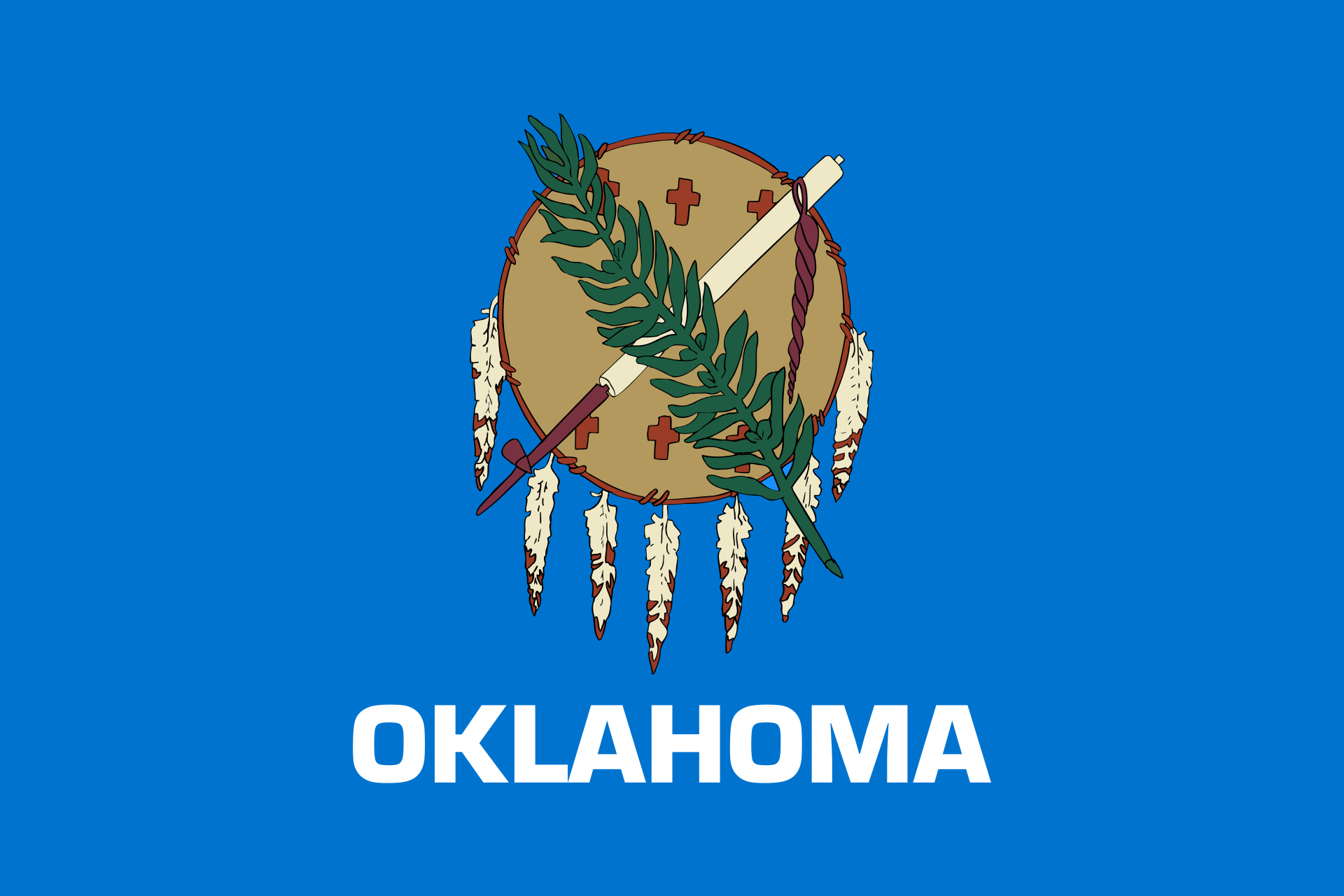
One page PDF with the Oklahoma timelines table and the state plate photo
Oklahoma plateOnion burgerFlat top throughput is the whole business model, so griddle replacement is the most frequent equipment ask
Financing terms on this page
Definitions for the terms used above. Every term links to its entry in the full glossary.
A loan or lease tied to a specific machine. The machine itself is the security, so approval leans on the value of the hardware more than on your bank statements.
Money for the work that turns a space into a working kitchen: plumbing, electrical, hoods, walls, and permits. It pays for labor and materials you cannot resell, so it is priced differently than money for a fryer.
A formal credit check that shows on your report and can move your score a few points. It happens only after you pick a specific lender, not to get information.
A preapproved pool of money you pull from only when you need it, then pay back and reuse. You pay for what you draw, not for the full amount sitting there.
Yes. Food service operators in Oklahoma are referred for equipment financing, working capital, lines of credit, SBA loans, and buildout capital. Program availability varies by state. Merchant cash advance and other revenue-based financing structures are not offered to businesses in Texas, Virginia, or Connecticut.
How fast can a Oklahoma restaurant get funded?
Short term programs commonly fund in 1 to 3 business days and equipment requests in 1 to 5. SBA financing in Oklahoma runs 3 to 12 weeks.
Is Oklahoma expansion cheaper to finance?
The deal sizes are smaller because construction and rent cost less, which often means the request fits inside programs with shorter approval timelines than a comparable coastal buildout would require.
Which Oklahoma cities do you serve?
All of them. Operators we work with in Oklahoma run in Oklahoma City, Tulsa, Norman, Edmond, Broken Arrow, and Stillwater, along with smaller markets across the state. Underwriting reviews deposits and the use of funds, not the population of the market.
What documents do Oklahoma operators need?
For the first review, just the form. If you choose a short term program, the lender usually asks for 3 to 6 months of business bank statements. SBA adds tax returns, interim financials, and a debt schedule.
Does Oklahoma licensing affect financing?
Licensing affects buildout timelines and, in some transactions, collateral value. Include local permitting details in the request so a funding partner can account for them when structuring financing.
Do I need a hard credit pull to start in Oklahoma?
No. Our team reviews your request and looks for a funding partner that fits without a hard credit pull. A funding partner discusses programs with you and obtains your authorization before any hard credit pull.
What is equipment financing, and when does it fit a Oklahoma operator?
You borrow against a specific machine, and the machine is what backs the loan. Use it when a fryer, a walk-in, an oven, or a vehicle has to be replaced and you would rather keep the cash in the account. Typical size is 5,000 to 500,000, funding runs 1 to 5 business days once you choose an offer, and you repay it as fixed monthly payment. You will be asked for: application, equipment quote, bank statements.
What is buildout and expansion, and when does it fit a Oklahoma operator?
Construction money for the work that turns a space into a working kitchen, usually released in stages as the job progresses. Use it for a second location, a remodel, a patio, or a kitchen conversion, and size it to cover the permit wait, not just the build. Typical size is 50,000 to 2,000,000, funding runs 1 to 4 weeks once you choose an offer, and you repay it as fixed payment, often with a draw schedule. You will be asked for: application, contractor bids, lease, financials.
What is working capital, and when does it fit a Oklahoma operator?
Cash for the everyday gaps, repaid out of sales on a set schedule instead of at the end of a project. Use it for payroll, inventory, a slow stretch, or a job you have to fund before the client pays you. Typical size is 10,000 to 500,000, funding runs 1 to 3 business days once you choose an offer, and you repay it as fixed daily, weekly, or monthly payment. You will be asked for: application, 3 to 6 months of bank statements.
Why does the Oklahoma calendar change what I should borrow?
Football and the spring event calendar create the sharpest peaks, with steady weekday volume in both metros.
What does waiting actually cost me in Oklahoma?
Storm exposure creates occasional sudden equipment and inventory loss, and the replacement is needed the same week, not next quarter.
Which program do most Oklahoma operators end up using?
Lower buildout cost per square foot keeps expansion accessible, and standing credit turns a storm week into an inconvenience instead of a closure. That is a starting point, not a decision. Our team reviews your deposits, time in business, and use of funds before looking for a funding partner that fits.
Does asking about financing in Oklahoma affect my credit?
No. Getting information is a conversation, not an application. There is no credit application and no hard credit pull until you have picked a specific lender and want to move forward.
A location page indicates that Foody Finance is taking clients in that market. It does not represent a physical office, storefront, or licensed presence in that city or state. All services are delivered remotely by our US-based team.
Start the conversation
Send a request before you fill out an application
Start with a free, no-obligation request. Our team reviews it and looks for a funding partner that fits.