Yes. Foody Finance works with restaurants, bars, caterers, food trucks, ghost kitchens, and distributors across Wyoming. Equipment requests commonly fund in 1 to 5 business days, working capital in 1 to 3, and SBA financing in 3 to 12 weeks.
Estimates, not offers: Amounts, terms, and funding times are estimates based on programs commonly available in food service. Actual terms vary by program, lender underwriting, time in business, revenue, and credit profile. Nothing here is an offer of credit or a guarantee of approval. See source and method.
How Wyoming actually makes its money in food
01
What Wyoming actually orders
Beef dominates Wyoming menus, tied directly to the state's cattle ranching economy, with steakhouses in Cheyenne, Casper, and Cody serving locally raised beef as a point of pride rather than a marketing gimmick. Rocky Mountain oysters, breaded and fried bull testicles, appear as a novelty item tied to branding season and county fairs. Elk and bison show up on menus near Jackson Hole and Cody, sourced from local ranches and game farms rather than imported. Chislic, cubed and fried mutton or lamb on a skewer, has migrated in from South Dakota and appears in eastern Wyoming towns near the border. Jackson Hole's food scene splits sharply from the rest of the state, carrying fine dining prices comparable to Aspen or Vail because of its ski and second-home wealth, while Cheyenne, Casper, and Gillette price closer to a working ranch and energy-worker budget. Green chili, carried over from a Colorado and New Mexico influence, appears on menus in southern counties near the border. Because Jackson's pricing sits so far above the rest of the state on nearly identical dishes, a restaurant group operating in both markets runs two entirely different cost and price structures under one brand.
02
How ranching, railroads, and energy built the plate
Wyoming's food economy grew from cattle ranching established in the 1870s and 1880s, when Cheyenne became a shipping point for beef headed east on the Union Pacific line, and ranch families from that era still own land and, in some cases, restaurants tied to their brand. Basque immigrants arrived in the early 1900s to herd sheep in the state's south-central counties, leaving a small but persistent Basque restaurant tradition in towns like Buffalo. The energy industry, coal in the Powder River Basin around Gillette, and oil and gas around Casper and the Green River Basin, built boom-and-bust restaurant cycles, with fast-casual and diner-style places expanding fast during drilling booms and closing during downturns. Jackson Hole's identity was built by 20th-century tourism and later by wealthy second-home owners, creating a food economy funded by outside money rather than local wages. Yellowstone and Grand Teton National Parks, both largely within Wyoming, support seasonal restaurant operations tied entirely to park visitation. Cheyenne Frontier Days, running since 1897, cemented the state's rodeo identity and its food traditions around it. This boom-and-bust energy cycle means restaurant owners in Gillette and Casper have learned to treat any single good year as temporary, holding cash reserves rather than reinvesting fully, because the next downturn in drilling activity can cut a town's customer base within months.
03
The calendar Wyoming restaurants live by
Cheyenne Frontier Days, the last full week of July, is the single largest revenue event for the capital city, drawing rodeo crowds that many downtown restaurants depend on for a disproportionate share of annual sales. Yellowstone and Grand Teton see peak visitation June through August, with towns like Jackson, Cody, and West Yellowstone-adjacent Wyoming communities running near capacity for three months and far below it the rest of the year. Jackson's ski season, December through March, creates a second peak entirely separate from the summer park rush, giving Jackson Hole two busy seasons that most other Wyoming towns don't share. Hunting season in September and October brings elk and deer hunters into small towns near national forests, filling diners and motels in counties like Sublette and Park. Branding season in spring brings ranch crews together for communal meals that support small-town cafes near cattle country. State high school and college rodeo circuits draw crowds to county fairgrounds through summer. Winter in the rest of the state, outside Jackson, is genuinely slow, with many small-town restaurants cutting hours or closing midweek from November through March. This split calendar, tourism summer for most of the state and ski winter only in Jackson, means an operator's cash position depends heavily on which side of the Tetons their restaurant sits.
04
Who runs the kitchen in Wyoming
Wyoming has the lowest population of any state, and its restaurant labor pool is correspondingly thin outside Cheyenne, Casper, and Jackson. Family ownership dominates in ranching and energy towns, where restaurants often double as the only sit-down option for miles and pass between relatives rather than sell on the open market. Jackson Hole faces the state's most acute labor shortage, with housing costs driven up by wealthy second-home buyers pricing out the service workers a resort economy needs, forcing many restaurants to import seasonal labor on J-1 visas and house them in employer-provided dorms. Wyoming has no state minimum wage above the federal floor, keeping base wages low in rural counties, though energy-boom towns like Gillette periodically see wage spikes when drilling activity competes for the same workers restaurants need. Franchise density is low statewide compared to national averages, concentrated mainly in Cheyenne and Casper along interstate corridors, while national forest and park-adjacent towns lean overwhelmingly independent. Native ownership is present near the Wind River Reservation in Fremont County. This chronic labor shortage, worst in Jackson but present statewide, forces many owners to cut operating days or hours rather than turn away staff, directly limiting how much revenue a location can generate even in a strong season.
05
What it costs to run a kitchen here
Jackson Hole carries some of the highest commercial rent in the Mountain West, driven by land scarcity from surrounding national forest and park boundaries that cap how much the town can physically expand, while Cheyenne, Casper, and Gillette offer rent well below national averages. Wyoming has no state income tax and comparatively low overall tax burden, a genuine cost advantage for operators, though property and sales tax revenue funding varies by county and can shift suddenly in energy-dependent counties when mineral tax revenue drops. Beef and lamb sourcing is a local strength given the state's ranching base, but produce is almost entirely trucked in from Colorado, Utah, or further, given Wyoming's short growing season and high elevation, adding freight cost and lead time statewide. Winter weather, particularly wind and snow across the high plains and mountain passes, regularly closes Interstate 80 and other routes for days, disrupting both deliveries and customer traffic. Utility costs run moderate, with the state's own coal-fired power keeping electricity relatively cheap, but propane and heating costs spike in mountain towns during long, cold winters. Insurance costs reflect the state's small, spread-out population, often carrying higher per-unit administrative cost. Because winter road closures can cut off both supply trucks and customers simultaneously, operators statewide keep larger cash and inventory buffers heading into the coldest months than warmer states ever need to.
06
Where the next Wyoming location opens
New restaurant growth concentrates in Cheyenne and Casper, the state's two largest cities, where population and government or energy-sector employment provide the steadiest customer base. Jackson continues adding high-end restaurant space tied to luxury real estate development, though land constraints from surrounding federal land mean growth there is limited and expensive per square foot compared to anywhere else in the state. Gillette and the Powder River Basin see restaurant investment rise and fall directly with coal and gas drilling activity, making it one of the more volatile markets in the country for new openings. Sheridan has drawn steady, smaller-scale growth tied to tourism and a growing retiree population relocating from other states. Laramie sees restaurant demand tied closely to the University of Wyoming's academic calendar, with slower summers when students leave town. Small county seats across the state mostly see replacement rather than net growth, with population decline in agricultural counties limiting appetite for new construction. Because Jackson's land scarcity pushes buildout costs to levels closer to a coastal resort market than to the rest of Wyoming, an operator expanding out of Cheyenne or Casper into Jackson faces a construction and lease budget many times higher for comparable square footage.
Licensing and permitting in Wyoming, and what it costs to wait
The Department of Agriculture Consumer Health Services licenses food establishments statewide.
A limited retail license can be the reason a transaction is worth doing at all, and it is financed as part of the purchase rather than as an operating expense.
What Wyoming operators finance
Seasonal working capital and equipment financing are the standard requests.
The Wyoming revenue calendar
Jackson and Cody run on park season and a winter ski peak, while the rest of the state follows energy sector and local demand.
Revenue mix and seasonality in Wyoming
Park gateway towns book most of the year between June and September, winter revenue is thin outside the ski markets, and a single slow summer changes the entire annual picture.
What this does to your numbers
Park gateway towns and Jackson pack the year into summer and ski season, and the shoulder months are genuinely empty.
What a delay costs in Wyoming
Distance from suppliers stretches lead times, and seasonal housing and payroll are paid before the first visitor arrives.
What underwriting looks at in Wyoming
01Gateway town seasonality is among the most extreme in the country
02Distance from suppliers lengthens equipment lead times
03Jackson labor and housing costs push payroll well above state averages
Which program usually fits here
Draw before the season, repay during it, and treat the shoulder months as a planned drawdown rather than a surprise.
Markets we serve in Wyoming
We work with operators across Wyoming, including Cheyenne, Casper, Jackson, Laramie, Gillette, and Cody. Rural and small market operators qualify for the same programs.
CheyenneCasperJacksonLaramieGilletteCody
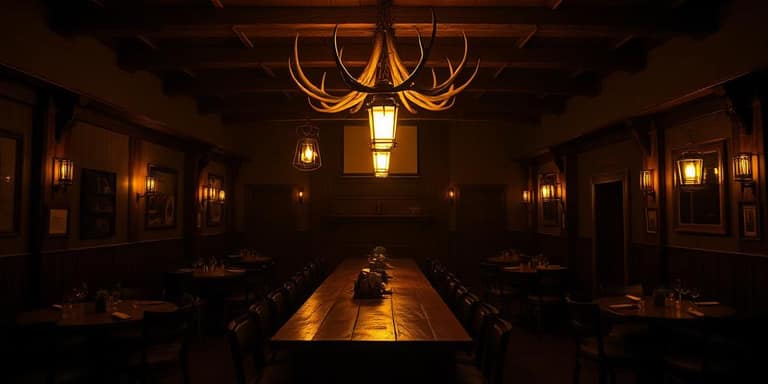
Illustrative image generated with AI.
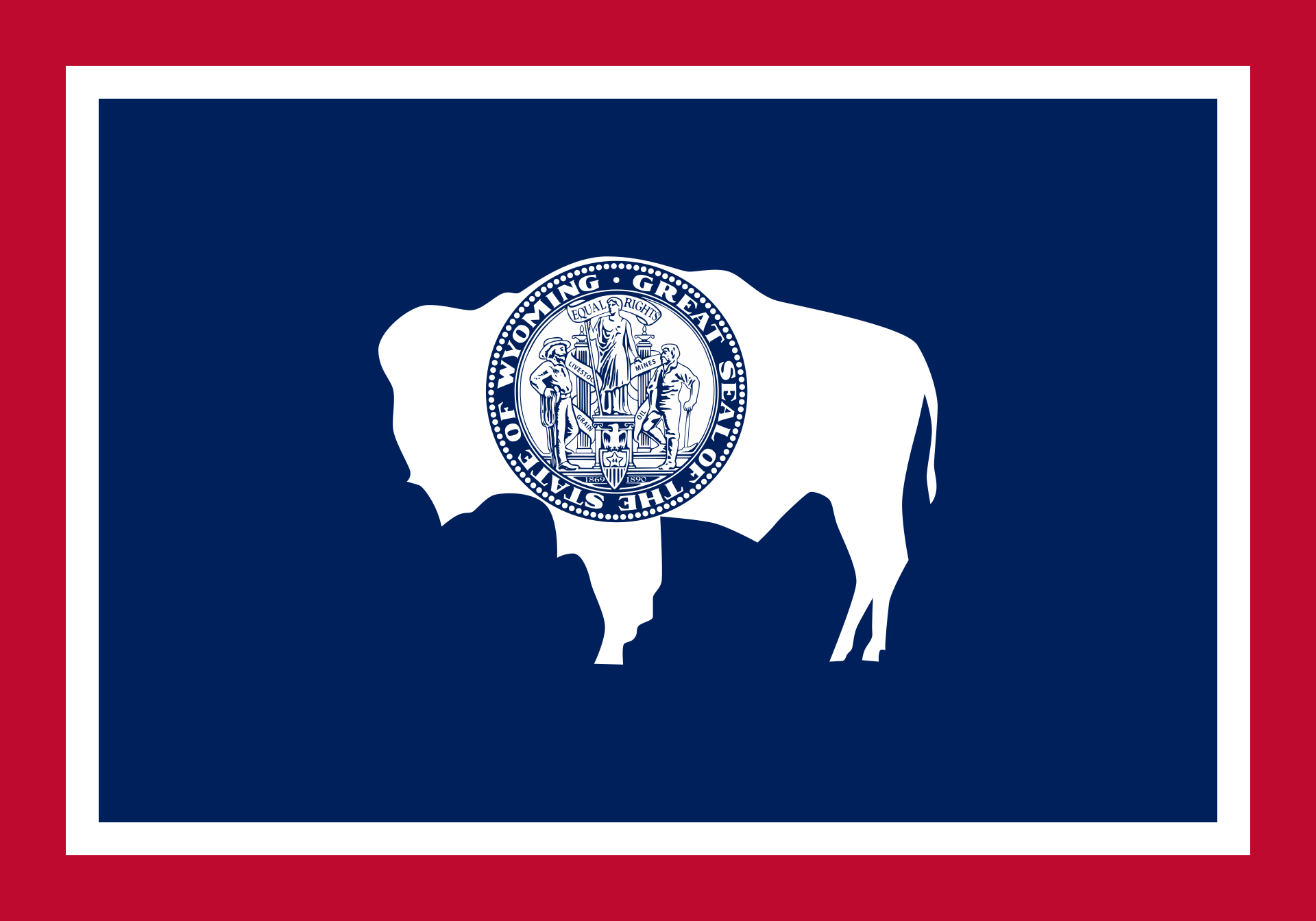
Wyoming outline. Boundary data: US Census Bureau cartographic boundary files, public domain. Simplified for display.
Jackson and Cody run on park season and a winter ski peak, while the rest of the state follows energy sector and local demand
Gateway town seasonality is among the most extreme in the country
Acquisition, refinance, or a longer buildout
Estimates, not offers: Amounts, terms, and funding times are estimates based on programs commonly available in food service. Actual terms vary by program, lender underwriting, time in business, revenue, and credit profile. Nothing here is an offer of credit or a guarantee of approval. See source and method.
Educational only. Not an offer to lend, a commitment to fund, or a rate quote. Figures are illustrative and actual terms are set by the funding partner after underwriting. Downloading this does not create a brokerage, advisory, or fiduciary relationship with Foody Finance.
One page PDF with the Wyoming timelines table and the state plate photo
Wyoming plateElk chiliPark season traffic is short and heavy, so the off season is financed against the summer that just closed
Financing terms on this page
Definitions for the terms used above. Every term links to its entry in the full glossary.
A loan or lease tied to a specific machine. The machine itself is the security, so approval leans on the value of the hardware more than on your bank statements.
Money for the work that turns a space into a working kitchen: plumbing, electrical, hoods, walls, and permits. It pays for labor and materials you cannot resell, so it is priced differently than money for a fryer.
A formal credit check that shows on your report and can move your score a few points. It happens only after you pick a specific lender, not to get information.
A preapproved pool of money you pull from only when you need it, then pay back and reuse. You pay for what you draw, not for the full amount sitting there.
Yes. Food service operators in Wyoming are referred for equipment financing, working capital, lines of credit, SBA loans, and buildout capital. Program availability varies by state. Merchant cash advance and other revenue-based financing structures are not offered to businesses in Texas, Virginia, or Connecticut.
How fast can a Wyoming restaurant get funded?
Short term programs commonly fund in 1 to 3 business days and equipment requests in 1 to 5. SBA financing in Wyoming runs 3 to 12 weeks.
How do Jackson operators handle the off season?
By arranging capital during the peak, when the statements are strongest, and drawing it in the shoulder months. Waiting until October means applying with the weakest revenue of the year in front of the underwriter.
Which Wyoming cities do you serve?
All of them. Operators we work with in Wyoming run in Cheyenne, Casper, Jackson, Laramie, Gillette, and Cody, along with smaller markets across the state. Underwriting reviews deposits and the use of funds, not the population of the market.
What documents do Wyoming operators need?
For the first review, just the form. If you choose a short term program, the lender usually asks for 3 to 6 months of business bank statements. SBA adds tax returns, interim financials, and a debt schedule.
Does Wyoming licensing affect financing?
Licensing affects buildout timelines and, in some transactions, collateral value. Include local permitting details in the request so a funding partner can account for them when structuring financing.
Do I need a hard credit pull to start in Wyoming?
No. Our team reviews your request and looks for a funding partner that fits without a hard credit pull. A funding partner discusses programs with you and obtains your authorization before any hard credit pull.
What is working capital, and when does it fit a Wyoming operator?
Cash for the everyday gaps, repaid out of sales on a set schedule instead of at the end of a project. Use it for payroll, inventory, a slow stretch, or a job you have to fund before the client pays you. Typical size is 10,000 to 500,000, funding runs 1 to 3 business days once you choose an offer, and you repay it as fixed daily, weekly, or monthly payment. You will be asked for: application, 3 to 6 months of bank statements.
What is equipment financing, and when does it fit a Wyoming operator?
You borrow against a specific machine, and the machine is what backs the loan. Use it when a fryer, a walk-in, an oven, or a vehicle has to be replaced and you would rather keep the cash in the account. Typical size is 5,000 to 500,000, funding runs 1 to 5 business days once you choose an offer, and you repay it as fixed monthly payment. You will be asked for: application, equipment quote, bank statements.
What is buildout and expansion, and when does it fit a Wyoming operator?
Construction money for the work that turns a space into a working kitchen, usually released in stages as the job progresses. Use it for a second location, a remodel, a patio, or a kitchen conversion, and size it to cover the permit wait, not just the build. Typical size is 50,000 to 2,000,000, funding runs 1 to 4 weeks once you choose an offer, and you repay it as fixed payment, often with a draw schedule. You will be asked for: application, contractor bids, lease, financials.
Why does the Wyoming calendar change what I should borrow?
Park gateway towns and Jackson pack the year into summer and ski season, and the shoulder months are genuinely empty.
What does waiting actually cost me in Wyoming?
Distance from suppliers stretches lead times, and seasonal housing and payroll are paid before the first visitor arrives.
Which program do most Wyoming operators end up using?
Draw before the season, repay during it, and treat the shoulder months as a planned drawdown rather than a surprise. That is a starting point, not a decision. Our team reviews your deposits, time in business, and use of funds before looking for a funding partner that fits.
Does asking about financing in Wyoming affect my credit?
No. Getting information is a conversation, not an application. There is no credit application and no hard credit pull until you have picked a specific lender and want to move forward.
A location page indicates that Foody Finance is taking clients in that market. It does not represent a physical office, storefront, or licensed presence in that city or state. All services are delivered remotely by our US-based team.
Start the conversation
Send a request before you fill out an application
Start with a free, no-obligation request. Our team reviews it and looks for a funding partner that fits.