Yes. Foody Finance works with restaurants, bars, caterers, food trucks, ghost kitchens, and distributors across New Mexico. Equipment requests commonly fund in 1 to 5 business days, working capital in 1 to 3, and SBA financing in 3 to 12 weeks.
Estimates, not offers: Amounts, terms, and funding times are estimates based on programs commonly available in food service. Actual terms vary by program, lender underwriting, time in business, revenue, and credit profile. Nothing here is an offer of credit or a guarantee of approval. See source and method.
How New Mexico actually makes its money in food
01
What New Mexico actually orders
Red or green chile is not a garnish here, it is the question every server asks, and answering "Christmas" for both is standard. Hatch chile from the Hatch Valley harvest defines menus from Santa Fe to Las Cruces, showing up on stacked enchiladas, carne adovada, and breakfast burritos that outsell sandwiches at diners statewide. Albuquerque runs its own frito pie and green chile cheeseburger circuit, while Santa Fe kitchens lean into higher-margin Southwestern plates for tourists paying more than locals expect to pay. Native fry bread and posole carry the northern pueblos and show up at trading post cafes near Taos and Espanola. Sopapillas close nearly every meal, a fixed cost bakers plan around daily. Portion sizes run large because chile-forward plates need starch to balance heat, which pushes plate costs up. Restaurants that get the chile ratio wrong lose repeat customers fast in a state where diners are unusually loyal to a specific kitchen's recipe. That loyalty means menu changes carry real revenue risk during any adjustment period.
02
How railroads, pueblos, and Route 66 built the menu
Spanish colonial settlement along the Rio Grande established chile and corn agriculture centuries before statehood, and Pueblo, Navajo, and Apache foodways layered onto that base long before Anglo ranching arrived. The Santa Fe Railway brought Harvey House restaurants through Albuquerque and Gallup in the late 1800s, training a generation of cooks and normalizing sit-down dining along the tracks. Route 66 later cut through the state and left a string of diners and motor court cafes that many families still operate. Hispanic and Nuevomexicano families, some tracing land grants back generations, own a large share of independent restaurants in the Rio Grande corridor, distinct from Tex-Mex ownership patterns in Texas. Los Alamos and Sandia National Laboratories brought federal payroll and a professional dining class to the north-central region starting in the 1940s. Tribal gaming revenue since the 1990s funded casino restaurants on pueblo land that now compete directly with independent operators for staff and produce. That layered ownership history means new operators buy into an already dense, familial restaurant landscape, which slows straightforward acquisition financing timelines.
03
The Hatch harvest and Balloon Fiesta calendar
The Hatch chile harvest runs August through October and restaurants statewide plan menu pricing around whether they can lock in fresh Hatch pods before the crop sells out to distributors shipping nationwide. Albuquerque's International Balloon Fiesta in early October pulls in visitors who fill every restaurant within miles of Balloon Fiesta Park for nine straight days, a spike independent of the normal fall slowdown. Santa Fe Indian Market in August brings a similar concentrated surge downtown. Ski season at Taos and Angel Fire from December through March carries northern mountain town restaurants through what would otherwise be a dead winter. Roswell's UFO Festival in July and Las Cruces's Whole Enchilada Fiesta draw regional crowds to otherwise steady towns. State and Pueblo feast days throughout the year, including several in late summer, shift local dining patterns around specific reservations. Between the Balloon Fiesta rush and the slower stretch after New Year's, restaurants see swings large enough to require separate staffing plans, which creates uneven weekly cash flow across the calendar.
04
Family kitchens against a small labor pool
New Mexico's restaurant scene skews toward family-owned operations, especially multi-generation Hispanic-owned spots in Albuquerque, Santa Fe, and the Rio Grande valley towns, more so than in neighboring Arizona or Texas where regional chains have more reach. Franchise density is lower outside Albuquerque's east side corridor and along I-25, leaving small towns dependent on independents or truck stops. The state's population is spread thin outside the Albuquerque metro, so rural restaurants in places like Silver City or Clovis compete for a genuinely small labor pool, often relying on family members rather than hired staff. Santa Fe's high cost of living pushes service workers to commute from Espanola or Pojoaque, adding turnover risk when gas prices rise. Casino restaurants on pueblo land can pay more than independents nearby, pulling cooks away from small operators during peak season. Seasonal ski towns face the opposite problem, needing to staff up fast for winter with workers who leave by April. This staffing volatility means payroll costs fluctuate month to month in ways that are hard to smooth out with a fixed schedule.
05
What rent and sourcing cost in Santa Fe versus Gallup
Commercial rent in Santa Fe's historic core runs well above the state average because of strict adobe-style building codes and limited square footage downtown, while Albuquerque's suburban corridors and towns like Gallup or Farmington offer cheaper space but smaller customer bases. Produce costs swing with the chile harvest since Hatch Valley supply is finite and contested by both local restaurants and national grocery buyers, meaning kitchens that do not contract early pay more mid-season. Beef and lamb sourcing benefits from in-state ranching in the eastern plains, keeping some protein costs closer to regional norms than coastal states see. Utility costs run high in summer for restaurants across the southern desert stretches near Las Cruces and Roswell, where cooling a kitchen through 100-degree stretches adds real expense. Water costs are a growing line item statewide given persistent drought conditions along the Rio Grande. Liquor licensing in New Mexico is notoriously expensive and quota-limited by county, often costing more than the buildout itself. That licensing bottleneck alone can delay a full-service opening by months while a buyer searches for an available permit.
06
Where new restaurants open next
Growth concentrates along Albuquerque's Uptown and Nob Hill corridors and in fast-growing suburbs like Rio Rancho, where new housing developments are pulling in chains and independents alike. Las Cruces continues to add restaurants tied to New Mexico State University's enrollment cycle and to its position on the I-10 corridor near El Paso. Santa Fe's growth is constrained by historic district rules, pushing new concepts toward the Cerrillos Road corridor instead of the plaza area. Southeastern New Mexico, around Carlsbad and Hobbs, has seen restaurant growth tied to Permian Basin oil and gas activity, with workers willing to pay more for quick, hearty meals near drilling sites. Taos and Ruidoso attract seasonal openings tied to tourism rather than year-round population growth, meaning some concepts only make sense as summer or winter operations. Tribal economic development on pueblo and reservation land is adding casino and travel-center dining that competes for the same construction contractors as independent buildouts. Because so much new construction concentrates in oil country and tourist towns, buildout timelines depend heavily on contractor availability, which creates scheduling delays that push back opening dates and the revenue they were supposed to generate.
Licensing and permitting in New Mexico, and what it costs to wait
The Environment Department issues food service permits statewide.
A single statewide permit track keeps openings straightforward, and predictable timelines let equipment requests fund against the hardware rather than against projections.
What New Mexico operators finance
Equipment financing and working capital cover most demand.
The New Mexico revenue calendar
Santa Fe tourism peaks in summer and around the holidays, and Albuquerque runs steadier with a Balloon Fiesta spike in October.
Revenue mix and seasonality in New Mexico
Santa Fe and Taos carry higher check averages for a few months and then thin out sharply, Albuquerque and Las Cruces trade check average for consistency, and Balloon Fiesta week alone can outperform an ordinary month.
What this does to your numbers
Santa Fe peaks in summer and around the holidays, and Albuquerque runs steadier with an October Balloon Fiesta spike.
What a delay costs in New Mexico
Liquor license availability and price vary sharply by jurisdiction, and produce sourcing costs move with the regional harvest.
What underwriting looks at in New Mexico
01Liquor license availability and cost vary sharply by jurisdiction
02Tourism concentrated concepts carry sharper seasonal swings than local ones
03Chile and produce sourcing costs move with the regional harvest
Which program usually fits here
Tourism heavy concepts swing harder than local ones, so lenders size the request against the low months rather than the peak.
Markets we serve in New Mexico
We work with operators across New Mexico, including Albuquerque, Santa Fe, Las Cruces, Rio Rancho, Taos, and Roswell. Rural and small market operators qualify for the same programs.
Santa Fe tourism peaks in summer and around the holidays, and Albuquerque runs steadier with a Balloon Fiesta spike in October
Liquor license availability and cost vary sharply by jurisdiction
Acquisition, refinance, or a longer buildout
Estimates, not offers: Amounts, terms, and funding times are estimates based on programs commonly available in food service. Actual terms vary by program, lender underwriting, time in business, revenue, and credit profile. Nothing here is an offer of credit or a guarantee of approval. See source and method.
Educational only. Not an offer to lend, a commitment to fund, or a rate quote. Figures are illustrative and actual terms are set by the funding partner after underwriting. Downloading this does not create a brokerage, advisory, or fiduciary relationship with Foody Finance.
One page PDF with the New Mexico timelines table and the state plate photo
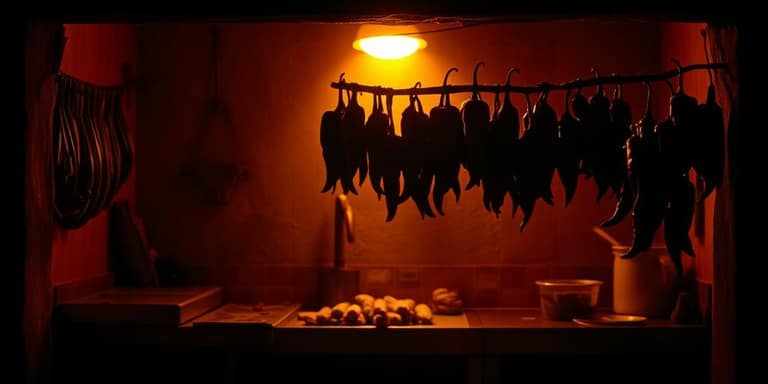
New Mexico plateGreen chile cheeseburgerThe chile harvest sets a hard annual buy, and the roasting and freezing capacity to hold it is a real capital item
Financing terms on this page
Definitions for the terms used above. Every term links to its entry in the full glossary.
A loan or lease tied to a specific machine. The machine itself is the security, so approval leans on the value of the hardware more than on your bank statements.
Money for the work that turns a space into a working kitchen: plumbing, electrical, hoods, walls, and permits. It pays for labor and materials you cannot resell, so it is priced differently than money for a fryer.
A formal credit check that shows on your report and can move your score a few points. It happens only after you pick a specific lender, not to get information.
A preapproved pool of money you pull from only when you need it, then pay back and reuse. You pay for what you draw, not for the full amount sitting there.
Yes. Food service operators in New Mexico are referred for equipment financing, working capital, lines of credit, SBA loans, and buildout capital. Program availability varies by state. Merchant cash advance and other revenue-based financing structures are not offered to businesses in Texas, Virginia, or Connecticut.
How fast can a New Mexico restaurant get funded?
Short term programs commonly fund in 1 to 3 business days and equipment requests in 1 to 5. SBA financing in New Mexico runs 3 to 12 weeks.
Is New Mexico tourism seasonality a problem for underwriting?
Not if the statements show the full cycle. Lenders read 6 to 12 months, so a seasonal business is normal to them. What causes trouble is applying during the trough with only the slow months visible.
Which New Mexico cities do you serve?
All of them. Operators we work with in New Mexico run in Albuquerque, Santa Fe, Las Cruces, Rio Rancho, Taos, and Roswell, along with smaller markets across the state. Underwriting reviews deposits and the use of funds, not the population of the market.
What documents do New Mexico operators need?
For the first review, just the form. If you choose a short term program, the lender usually asks for 3 to 6 months of business bank statements. SBA adds tax returns, interim financials, and a debt schedule.
Does New Mexico licensing affect financing?
Licensing affects buildout timelines and, in some transactions, collateral value. Include local permitting details in the request so a funding partner can account for them when structuring financing.
Do I need a hard credit pull to start in New Mexico?
No. Our team reviews your request and looks for a funding partner that fits without a hard credit pull. A funding partner discusses programs with you and obtains your authorization before any hard credit pull.
What is equipment financing, and when does it fit a New Mexico operator?
You borrow against a specific machine, and the machine is what backs the loan. Use it when a fryer, a walk-in, an oven, or a vehicle has to be replaced and you would rather keep the cash in the account. Typical size is 5,000 to 500,000, funding runs 1 to 5 business days once you choose an offer, and you repay it as fixed monthly payment. You will be asked for: application, equipment quote, bank statements.
What is working capital, and when does it fit a New Mexico operator?
Cash for the everyday gaps, repaid out of sales on a set schedule instead of at the end of a project. Use it for payroll, inventory, a slow stretch, or a job you have to fund before the client pays you. Typical size is 10,000 to 500,000, funding runs 1 to 3 business days once you choose an offer, and you repay it as fixed daily, weekly, or monthly payment. You will be asked for: application, 3 to 6 months of bank statements.
What is buildout and expansion, and when does it fit a New Mexico operator?
Construction money for the work that turns a space into a working kitchen, usually released in stages as the job progresses. Use it for a second location, a remodel, a patio, or a kitchen conversion, and size it to cover the permit wait, not just the build. Typical size is 50,000 to 2,000,000, funding runs 1 to 4 weeks once you choose an offer, and you repay it as fixed payment, often with a draw schedule. You will be asked for: application, contractor bids, lease, financials.
Why does the New Mexico calendar change what I should borrow?
Santa Fe peaks in summer and around the holidays, and Albuquerque runs steadier with an October Balloon Fiesta spike.
What does waiting actually cost me in New Mexico?
Liquor license availability and price vary sharply by jurisdiction, and produce sourcing costs move with the regional harvest.
Which program do most New Mexico operators end up using?
Tourism heavy concepts swing harder than local ones, so lenders size the request against the low months rather than the peak. That is a starting point, not a decision. Our team reviews your deposits, time in business, and use of funds before looking for a funding partner that fits.
Does asking about financing in New Mexico affect my credit?
No. Getting information is a conversation, not an application. There is no credit application and no hard credit pull until you have picked a specific lender and want to move forward.
A location page indicates that Foody Finance is taking clients in that market. It does not represent a physical office, storefront, or licensed presence in that city or state. All services are delivered remotely by our US-based team.
Start the conversation
Send a request before you fill out an application
Start with a free, no-obligation request. Our team reviews it and looks for a funding partner that fits.