Yes. Foody Finance works with restaurants, bars, caterers, food trucks, ghost kitchens, and distributors across Kansas. Equipment requests commonly fund in 1 to 5 business days, working capital in 1 to 3, and SBA financing in 3 to 12 weeks.
Estimates, not offers: Amounts, terms, and funding times are estimates based on programs commonly available in food service. Actual terms vary by program, lender underwriting, time in business, revenue, and credit profile. Nothing here is an offer of credit or a guarantee of approval. See source and method.
How Kansas actually makes its money in food
01
What Kansas actually orders
Kansas food identity runs on beef and wheat, tied directly to its place in the cattle and grain economy. Kansas City-style barbecue claims the eastern edge of the state, with Kansas City, Kansas, joints like Joe's Kansas City (formerly Oklahoma Joe's) competing directly against Missouri-side institutions for the same regional reputation, serving burnt ends and molasses-based sauce. Western Kansas, closer to the feedlots and packing plants around Garden City and Dodge City, runs on steakhouses and Tex-Mex brought by Mexican and Central American immigrant labor working the meatpacking industry. Wichita, the state's largest city, holds a genuine claim to fried chicken and diner culture alongside a Vietnamese food corridor built by refugee resettlement since the 1970s, concentrated along Central Avenue. The Flint Hills region supports old-school steakhouses serving grass-fed beef raised on the tallgrass prairie itself. Bierocks, a German-Russian Mennonite meat-and-cabbage pastry brought by Volga German immigrants who settled central Kansas in the 1870s, remain a genuine regional food found nowhere else in the country at this density. Portion sizes and prices stay modest outside Wichita and Kansas City's suburbs, reflecting a lower cost of living, though feedlot-driven beef price swings hit steakhouse menus statewide harder than in states further from cattle country.
02
How Kansas's restaurant economy took shape
Kansas's food economy grew from railroad-era cattle drives, Volga German and Mennonite farm settlement, and 20th-century meatpacking consolidation. Dodge City and Abilene became cattle-drive endpoints in the 1870s and 1880s as Texas longhorns arrived by trail to meet the railhead, embedding beef into the state's identity before Kansas had significant urban population. Volga German Mennonites, fleeing Russia in the 1870s, settled Marion, McPherson, and Rice counties and brought hard winter wheat farming along with bierocks and other German-Russian dishes still served at church suppers and small-town cafes today. Wichita's aircraft industry, anchored by Boeing, Cessna, and Beechcraft from the 1920s onward, built a manufacturing middle class that supported diners and family restaurants through the mid-20th century. Meatpacking consolidation in the late 20th century, with Tyson, Cargill, and National Beef operating major plants around Garden City, Dodge City, and Liberal, drew large Mexican, Central American, and Somali immigrant labor forces starting in the 1980s and 1990s, and that labor force now owns a significant share of western Kansas's Mexican restaurants and taquerias. Vietnamese refugee resettlement in Wichita following 1975 built the city's Central Avenue food corridor. This layered immigration around packing plants and aviation manufacturing means restaurant ownership in western Kansas skews heavily toward first and second-generation immigrant families financing growth from packing-plant wages.
03
Kansas's calendar of food traffic
Kansas's restaurant year tracks wheat harvest, college football, and the State Fair. Wheat harvest, running roughly mid-June through July across central and western Kansas, brings custom cutting crews and grain elevator traffic through small towns, filling local diners and cafes with a transient agricultural workforce during a compressed few weeks. The Kansas State Fair in Hutchinson each September draws crowds from across the state and supports fried-food vendors and 4-H agricultural exhibitors tied to the farming calendar. College football Saturdays at Kansas State in Manhattan and University of Kansas in Lawrence drive bar and restaurant traffic through the fall, while Wichita State's basketball program, a consistent NCAA tournament presence, carries winter bar traffic in Wichita. The State Fair and harvest overlap create a late-summer peak for rural Kansas restaurants that contrasts sharply with a slow winter outside the university towns. Cattle feedlot cycles around Garden City and Dodge City run steadier year-round than crop-driven towns, giving western Kansas restaurant traffic near packing plants less seasonal swing than farming communities further north and east. Tornado season in spring occasionally disrupts outdoor dining and events statewide with little warning. This uneven calendar means rural operators near wheat country face a real summer spike against a long, thin winter that packing-plant towns and university cities don't share.
04
Who runs Kansas's kitchens
Family ownership dominates small-town Kansas cafes and diners, often the only restaurant in towns under a few thousand people, passed down within the same family for decades. Western Kansas's Mexican and Central American restaurants near meatpacking towns like Garden City, Dodge City, and Liberal are frequently owned by former or current plant workers who saved capital from packing-plant wages to open their own establishments. Wichita and the Kansas City metro area support more franchise density and small restaurant groups, competing for a labor pool split between Wichita State and university-adjacent workers and a broader working-class base tied to aviation manufacturing. Kansas's minimum wage sits at the federal floor, among the lowest in the country, which keeps quick-service and casual dining labor costs low but also means Kansas restaurants compete directly with meatpacking plants, which often pay above minimum wage, for the same rural labor pool in western counties. That competition leaves small-town restaurants chronically understaffed during harvest season when agricultural work pulls available labor away entirely. Mennonite and German-Russian communities in central Kansas still supply a stable, multi-generational workforce to family cafes in towns like Newton and Hillsboro. Refugee and immigrant labor sustains much of Wichita's Vietnamese and increasingly Somali-owned food service sector. This patchwork of federal-floor wages against seasonal agricultural competition creates staffing gaps during exactly the weeks rural restaurants see their highest harvest-season demand.
05
What it costs to operate in Kansas
Kansas offers some of the lowest commercial rent in the country outside the Kansas City metro and Wichita's core, a real advantage for buildout budgets compared to coastal or mountain-region states. Property and liability insurance costs stay moderate statewide but rise for western Kansas restaurants near tornado alley, where hail and wind damage claims run higher than the national average and affect renewal pricing year over year. Kansas's federal-floor minimum wage keeps base labor costs low, though rural operators near meatpacking plants effectively compete against packing-plant wages that sit well above the legal minimum, forcing above-floor pay to retain any staff at all. Beef costs benefit from proximity to feedlots and packing plants around Garden City and Dodge City, giving western Kansas steakhouses a genuine sourcing advantage over restaurants further from cattle country, though prices still track national cattle futures and swing with drought years that reduce herd sizes. Wheat-based costs, flour and bread products, stay comparatively cheap given the state's position inside the hard winter wheat belt. Utility costs run near the national average, with natural gas relatively cheap given Kansas's own gas production in the southwest part of the state. Produce sourcing is the weak point statewide, since Kansas's growing season and soil favor grain and cattle over fruits and vegetables, forcing most restaurants to source produce through Kansas City or Denver-based distribution. This combination of cheap protein and rent against imported produce and drought-driven beef price swings creates real inventory cost volatility for menu planning.
06
Where Kansas restaurants expand next
Growth concentrates in the Kansas City metro's Johnson County suburbs, Overland Park, Olathe, and Lenexa, where population growth and household income outpace the rest of the state and draw both franchise chains and independent concepts. Wichita's growth follows the aviation and manufacturing workforce, with new development concentrated in east Wichita and Andover, while the Central Avenue Vietnamese corridor continues to add independent restaurants organically. Manhattan, home to Kansas State University, and Lawrence, home to the University of Kansas, sustain steady restaurant demand tied to student population and alumni game-day traffic, supporting a buildout pace independent of the broader state economy. Western Kansas meatpacking towns like Garden City, Dodge City, and Liberal continue to add immigrant-owned restaurants as packing-plant employment holds steady, though these towns see little chain investment given smaller population bases. Rural counties outside these growth corridors continue losing population, and restaurant closures there outpace new openings, concentrating the state's growth into a handful of metro and college-town markets. Kansas's low construction costs and relatively fast permitting compared to coastal states make it an efficient test market for regional chains expanding from the Kansas City or Oklahoma markets. Water availability increasingly constrains western Kansas development, since Ogallala Aquifer depletion affects agricultural communities the restaurant sector depends on for local sourcing and stable population, and that long-term water constraint threatens the customer base new operators are counting on when they sign a rural lease.
Licensing and permitting in Kansas, and what it costs to wait
The Department of Agriculture licenses food service establishments across the state.
Serving a wide radius makes the vehicle production equipment, and it finances against title, which usually prices better than putting the same spend on a cash flow program.
What Kansas operators finance
Vehicle and equipment financing are common, alongside working capital for event driven revenue.
The Kansas revenue calendar
Johnson County suburban volume is steady, while western Kansas operators follow harvest, school, and event cycles.
Revenue mix and seasonality in Kansas
A single kitchen typically serves a wide radius through catering and delivery, so revenue depends more on the event calendar and drive time than on foot traffic.
What this does to your numbers
Johnson County holds steady on suburban volume, while western Kansas follows harvest, school, and event cycles.
What a delay costs in Kansas
A wide service radius means delivery vehicles are part of the operation, and a truck down for a week costs you the accounts it serves, not just the repair.
What underwriting looks at in Kansas
01Wide service radius makes delivery vehicles and mobile units part of the equipment request
02Aviation and logistics payrolls around Wichita support weekday catering
03Department of Agriculture licensing is handled statewide rather than county by county
Which program usually fits here
Vehicles finance against their title separately from kitchen equipment, and splitting them usually produces better terms than bundling everything together.
Markets we serve in Kansas
We work with operators across Kansas, including Wichita, Overland Park, Kansas City, Topeka, Lawrence, and Olathe. Rural and small market operators qualify for the same programs.
Johnson County suburban volume is steady, while western Kansas operators follow harvest, school, and event cycles
Wide service radius makes delivery vehicles and mobile units part of the equipment request
Acquisition, refinance, or a longer buildout
Estimates, not offers: Amounts, terms, and funding times are estimates based on programs commonly available in food service. Actual terms vary by program, lender underwriting, time in business, revenue, and credit profile. Nothing here is an offer of credit or a guarantee of approval. See source and method.
Educational only. Not an offer to lend, a commitment to fund, or a rate quote. Figures are illustrative and actual terms are set by the funding partner after underwriting. Downloading this does not create a brokerage, advisory, or fiduciary relationship with Foody Finance.
One page PDF with the Kansas timelines table and the state plate photo
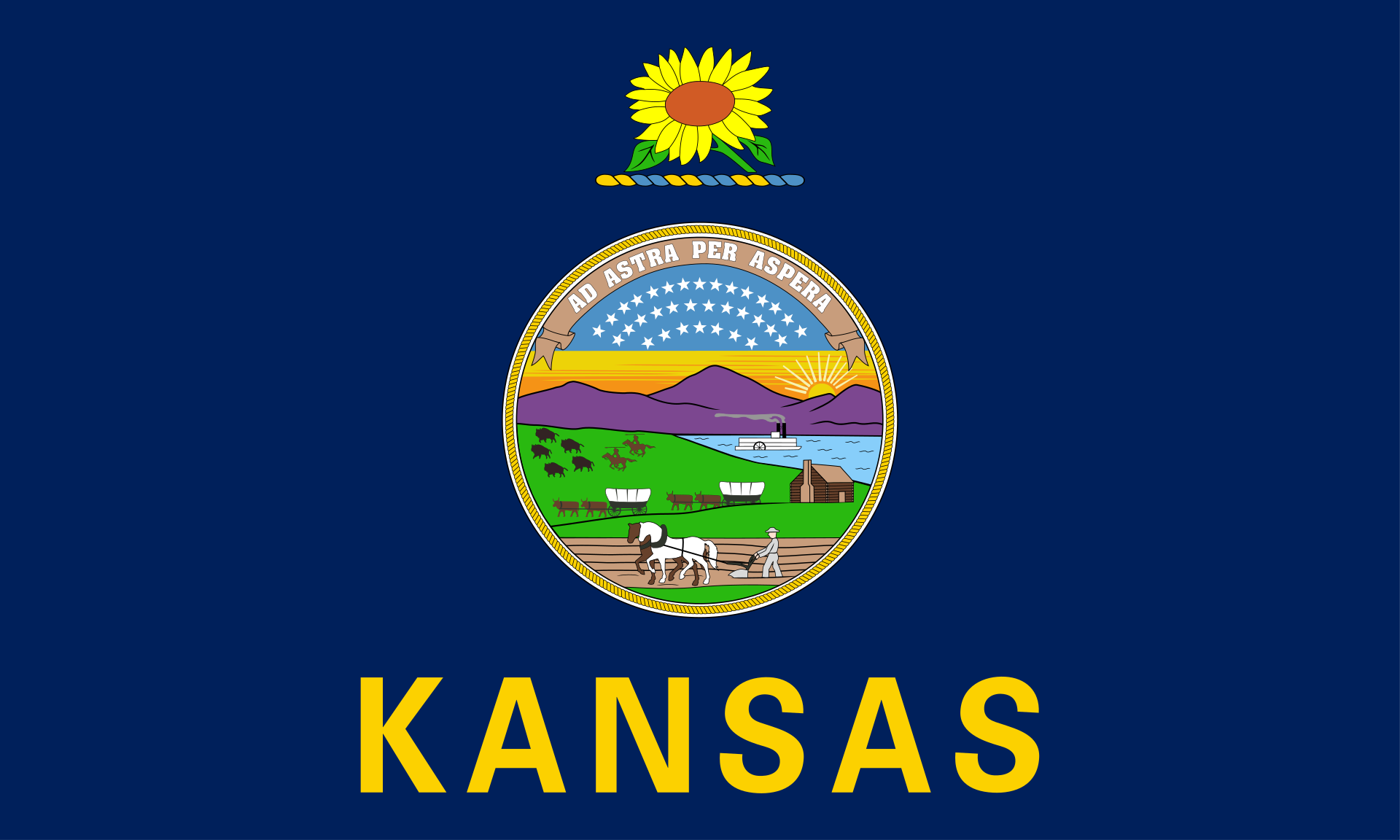
Kansas plateBurnt endsSmoke times mean product is committed a day ahead, so cash goes out well before the ticket prints
Financing terms on this page
Definitions for the terms used above. Every term links to its entry in the full glossary.
A loan or lease tied to a specific machine. The machine itself is the security, so approval leans on the value of the hardware more than on your bank statements.
Money for the work that turns a space into a working kitchen: plumbing, electrical, hoods, walls, and permits. It pays for labor and materials you cannot resell, so it is priced differently than money for a fryer.
A formal credit check that shows on your report and can move your score a few points. It happens only after you pick a specific lender, not to get information.
Financing sized against your deposits rather than against a piece of equipment. Approval follows revenue, so a strong sales month helps more than a strong asset does.
A preapproved pool of money you pull from only when you need it, then pay back and reuse. You pay for what you draw, not for the full amount sitting there.
Yes. Food service operators in Kansas are referred for equipment financing, working capital, lines of credit, SBA loans, and buildout capital. Program availability varies by state. Merchant cash advance and other revenue-based financing structures are not offered to businesses in Texas, Virginia, or Connecticut.
How fast can a Kansas restaurant get funded?
Short term programs commonly fund in 1 to 3 business days and equipment requests in 1 to 5. SBA financing in Kansas runs 3 to 12 weeks.
Can a Kansas caterer finance vehicles and kitchen equipment together?
Usually as two lines within one financing request. Vehicles and kitchen hardware depreciate on different schedules, so funding partners price them separately even when they fund at the same time.
Which Kansas cities do you serve?
All of them. Operators we work with in Kansas run in Wichita, Overland Park, Kansas City, Topeka, Lawrence, and Olathe, along with smaller markets across the state. Underwriting reviews deposits and the use of funds, not the population of the market.
What documents do Kansas operators need?
For the first review, just the form. If you choose a short term program, the lender usually asks for 3 to 6 months of business bank statements. SBA adds tax returns, interim financials, and a debt schedule.
Does Kansas licensing affect financing?
Licensing affects buildout timelines and, in some transactions, collateral value. Include local permitting details in the request so a funding partner can account for them when structuring financing.
Do I need a hard credit pull to start in Kansas?
No. Our team reviews your request and looks for a funding partner that fits without a hard credit pull. A funding partner discusses programs with you and obtains your authorization before any hard credit pull.
What is equipment financing, and when does it fit a Kansas operator?
You borrow against a specific machine, and the machine is what backs the loan. Use it when a fryer, a walk-in, an oven, or a vehicle has to be replaced and you would rather keep the cash in the account. Typical size is 5,000 to 500,000, funding runs 1 to 5 business days once you choose an offer, and you repay it as fixed monthly payment. You will be asked for: application, equipment quote, bank statements.
What is working capital, and when does it fit a Kansas operator?
Cash for the everyday gaps, repaid out of sales on a set schedule instead of at the end of a project. Use it for payroll, inventory, a slow stretch, or a job you have to fund before the client pays you. Typical size is 10,000 to 500,000, funding runs 1 to 3 business days once you choose an offer, and you repay it as fixed daily, weekly, or monthly payment. You will be asked for: application, 3 to 6 months of bank statements.
What is buildout and expansion, and when does it fit a Kansas operator?
Construction money for the work that turns a space into a working kitchen, usually released in stages as the job progresses. Use it for a second location, a remodel, a patio, or a kitchen conversion, and size it to cover the permit wait, not just the build. Typical size is 50,000 to 2,000,000, funding runs 1 to 4 weeks once you choose an offer, and you repay it as fixed payment, often with a draw schedule. You will be asked for: application, contractor bids, lease, financials.
Why does the Kansas calendar change what I should borrow?
Johnson County holds steady on suburban volume, while western Kansas follows harvest, school, and event cycles.
What does waiting actually cost me in Kansas?
A wide service radius means delivery vehicles are part of the operation, and a truck down for a week costs you the accounts it serves, not just the repair.
Which program do most Kansas operators end up using?
Vehicles finance against their title separately from kitchen equipment, and splitting them usually produces better terms than bundling everything together. That is a starting point, not a decision. Our team reviews your deposits, time in business, and use of funds before looking for a funding partner that fits.
Does asking about financing in Kansas affect my credit?
No. Getting information is a conversation, not an application. There is no credit application and no hard credit pull until you have picked a specific lender and want to move forward.
A location page indicates that Foody Finance is taking clients in that market. It does not represent a physical office, storefront, or licensed presence in that city or state. All services are delivered remotely by our US-based team.
Start the conversation
Send a request before you fill out an application
Start with a free, no-obligation request. Our team reviews it and looks for a funding partner that fits.