Can food businesses in South Dakota get financing?
Yes. Foody Finance works with restaurants, bars, caterers, food trucks, ghost kitchens, and distributors across South Dakota. Equipment requests commonly fund in 1 to 5 business days, working capital in 1 to 3, and SBA financing in 3 to 12 weeks.
Estimates, not offers: Amounts, terms, and funding times are estimates based on programs commonly available in food service. Actual terms vary by program, lender underwriting, time in business, revenue, and credit profile. Nothing here is an offer of credit or a guarantee of approval. See source and method.
How South Dakota actually makes its money in food
01
What South Dakota actually orders
Chislic, cubed and skewered lamb or beef fried and served with crackers and hot sauce, is the state's official nosh and dominates bar menus around Sioux Falls and the southeast corner where the dish originated among Russian-German immigrant communities. Walleye and other Missouri River and Glacial Lakes fish plates carry weight in Pierre and the lake towns of Watertown and Chamberlain, tied directly to sport fishing traffic. Kuchen, a German-Russian custard pastry, is the official state dessert and shows up in Hutterite colony bakeries and small-town cafes across the eastern plains. West River, around Rapid City and the Black Hills, menus lean toward steakhouse beef and buffalo burgers aimed at tourists heading to Mount Rushmore and Custer State Park, with prices running higher than East River due to tourist draw. Sioux Falls, the state's only real mid-sized city, supports a fast-casual and chain density unmatched anywhere else in South Dakota. Native-owned frybread and Indian taco stands operate around the Pine Ridge, Rosebud, and Cheyenne River reservations, a market segment largely absent from national chain footprints. This east-west split, farm plains against tourist-driven Black Hills, means a menu or price point built for Rapid City tourists reads as overpriced in Aberdeen or Mitchell.
02
How homesteading and the Hills built South Dakota's food economy
German-Russian Mennonite and Hutterite settlers arrived on the eastern plains in the late 1800s under Homestead Act land grants, planting the wheat and dairy base that still supplies eastern kuchen bakeries and chislic bars today. The Black Hills gold rush of the 1870s, followed by the 1930s Mount Rushmore carving project, built Rapid City and Keystone into permanent tourist economies, a status cemented when Custer State Park and the Badlands drew federal highway investment after World War Two. The 1972 Rapid City flood forced a full rebuild of that city's commercial core, resetting much of its restaurant real estate. Sioux Falls grew as a meatpacking and now financial services hub, with Smithfield Foods' pork plant anchoring a blue-collar workforce that supports diner and fast-casual density well beyond what the surrounding farm counties could sustain alone. Nine tribal nations, including Pine Ridge and Rosebud, maintain food sovereignty programs and reservation-based food service distinct from the state's commercial restaurant sector. Ellsworth Air Force Base near Rapid City anchors a steady non-seasonal customer base. Ownership today splits between multigenerational farm-family cafes in the east, tribal and Native-owned operations on reservation land, and tourist-driven franchise and independent operators concentrated in the Black Hills corridor.
03
The calendar that carries South Dakota restaurants
The Sturgis Motorcycle Rally in early August is the single largest revenue event in the state, drawing several hundred thousand riders through the Black Hills and overwhelming Rapid City, Sturgis, and Deadwood kitchens for roughly ten days. Mount Rushmore and Badlands tourist traffic runs Memorial Day through Labor Day, with West River restaurants earning the bulk of their annual revenue in that four-month window and running skeleton hours the rest of the year. Pheasant hunting season, opening the third Saturday of October and running into January, brings a distinct wave of out-of-state hunters to Aberdeen, Mitchell, and Huron, filling small-town cafes and lodges during what would otherwise be a dead stretch. State Fair week in Huron in late August or early September anchors the eastern plains' calendar. Winter blizzards from November through March can shut down entire towns on I-90 or I-29 for days, cutting off supply deliveries without warning. Ice fishing on Glacial Lakes region waters sustains a narrow winter customer base around Watertown. Sioux Falls, insulated by a larger year-round population, runs a flatter calendar than any other part of the state, but even there winter storm closures interrupt scheduled deliveries and payroll timing.
04
Who staffs South Dakota's kitchens
South Dakota has no state minimum wage above the federal tipped-wage structure adjusted by voter initiative, and restaurants statewide compete for labor against a genuinely thin population base, especially in West River counties where the workforce is spread across vast distances. Sioux Falls draws labor from a growing immigrant and refugee resettlement population tied to Smithfield and other meatpacking employers, giving it more staffing depth than any other part of the state. Rapid City and the Black Hills corridor depend heavily on seasonal J-1 visa student workers and out-of-state summer hires to staff restaurants during the Memorial Day to Labor Day tourist surge, a labor pool that evaporates every September. Family-run cafes across the eastern farm counties often staff with unpaid or minimally paid family labor, a structure that keeps small towns fed but limits expansion capacity. Native-owned food businesses near reservation land frequently draw staff from tribal communities facing higher unemployment than the state average, creating both opportunity and turnover pressure. Ellsworth Air Force Base and Sioux Falls' financial sector jobs pull hourly workers away from restaurant wages statewide. The result is a labor market where West River operators must rehire and retrain a large share of staff every single spring before the tourist season starts.
05
What it costs to run a kitchen in South Dakota
South Dakota has no state corporate or personal income tax, a structural advantage that shows up in restaurant owners' net margins statewide compared to neighboring Minnesota or Iowa. Rapid City and Black Hills real estate carries a tourist premium, with buildable commercial space near Mount Rushmore's approach roads priced well above rural East River equivalents. Sioux Falls commercial rent has climbed with the city's financial-sector growth but remains far below coastal or Front Range comparables. Beef and pork sourcing benefits from direct proximity to the state's cattle and hog production, keeping protein costs generally favorable, though drought years on the western ranges push cattle prices up sharply. Produce sourcing is the weak point statewide, with almost no in-state fresh vegetable production of scale, forcing reliance on trucked-in supply from Nebraska, Colorado, and further afield that is vulnerable to winter road closures on I-90 and I-29. Utility costs run low relative to national averages thanks to wind power generation across the eastern plains. Winter storm-related supply interruptions are the most persistent and least predictable cost driver, capable of stalling a delivery for days and forcing a kitchen to substitute or shut a menu item without notice.
06
Where South Dakota restaurants expand next
Sioux Falls remains the clear growth center, with new development along the 41st Street corridor and the city's east side pulling in national fast-casual brands at a pace no other South Dakota market can match, driven by continued financial-sector and healthcare employment growth. Rapid City's growth follows the Highway 16 approach to Mount Rushmore and the Rushmore Crossing retail corridor, where tourist traffic supports new buildouts despite higher land costs. Harrisburg and Brandon, bedroom communities south and east of Sioux Falls, are adding rooftops fast enough to draw new suburban restaurant development away from the urban core. Deadwood's limited gaming-district footprint constrains new restaurant space to existing historic buildings, driving up buildout costs per square foot. Smaller eastern towns along I-29, including Brookings, home to South Dakota State University, support modest expansion tied to student population rather than tourism. Statewide, contractor availability is limited outside Sioux Falls and Rapid City, meaning buildouts in smaller towns often wait on crews traveling from those two hubs, a scheduling reality that regularly pushes a project's opening date past its original construction loan timeline.
Licensing and permitting in South Dakota, and what it costs to wait
The Department of Health licenses food service establishments statewide.
Licensing is straightforward enough that timelines rarely drive the request, so equipment paper approves on collateral and deposit history.
What South Dakota operators finance
Seasonal working capital and equipment financing are typical.
The South Dakota revenue calendar
Black Hills tourism and the Sturgis rally concentrate west river revenue into the summer, while Sioux Falls runs steadier year round.
Revenue mix and seasonality in South Dakota
Rapid City and the Black Hills earn a large share of the year between June and August, Sioux Falls delivers consistent weekday and weekend volume at modest check averages, and rally week can outperform an entire ordinary month.
What this does to your numbers
Black Hills tourism and the Sturgis rally pack west river revenue into the summer, and Sioux Falls runs steadier all year.
What a delay costs in South Dakota
Rally week can rival a normal month, and every dollar of that inventory and staffing is spent before the first customer arrives.
What underwriting looks at in South Dakota
01Rally week creates a single week that can rival a normal month
02Winter suppresses walk in traffic across most of the state
03Distance from distribution hubs lengthens equipment lead times
Which program usually fits here
A short termdraw ahead of rally week, repaid immediately after it, costs far less than losing throughput during the only week like it.
Markets we serve in South Dakota
We work with operators across South Dakota, including Sioux Falls, Rapid City, Aberdeen, Brookings, Watertown, and Deadwood. Rural and small market operators qualify for the same programs.
Black Hills tourism and the Sturgis rally concentrate west river revenue into the summer, while Sioux Falls runs steadier year round
Rally week creates a single week that can rival a normal month
Acquisition, refinance, or a longer buildout
Estimates, not offers: Amounts, terms, and funding times are estimates based on programs commonly available in food service. Actual terms vary by program, lender underwriting, time in business, revenue, and credit profile. Nothing here is an offer of credit or a guarantee of approval. See source and method.
Educational only. Not an offer to lend, a commitment to fund, or a rate quote. Figures are illustrative and actual terms are set by the funding partner after underwriting. Downloading this does not create a brokerage, advisory, or fiduciary relationship with Foody Finance.
One page PDF with the South Dakota timelines table and the state plate photo
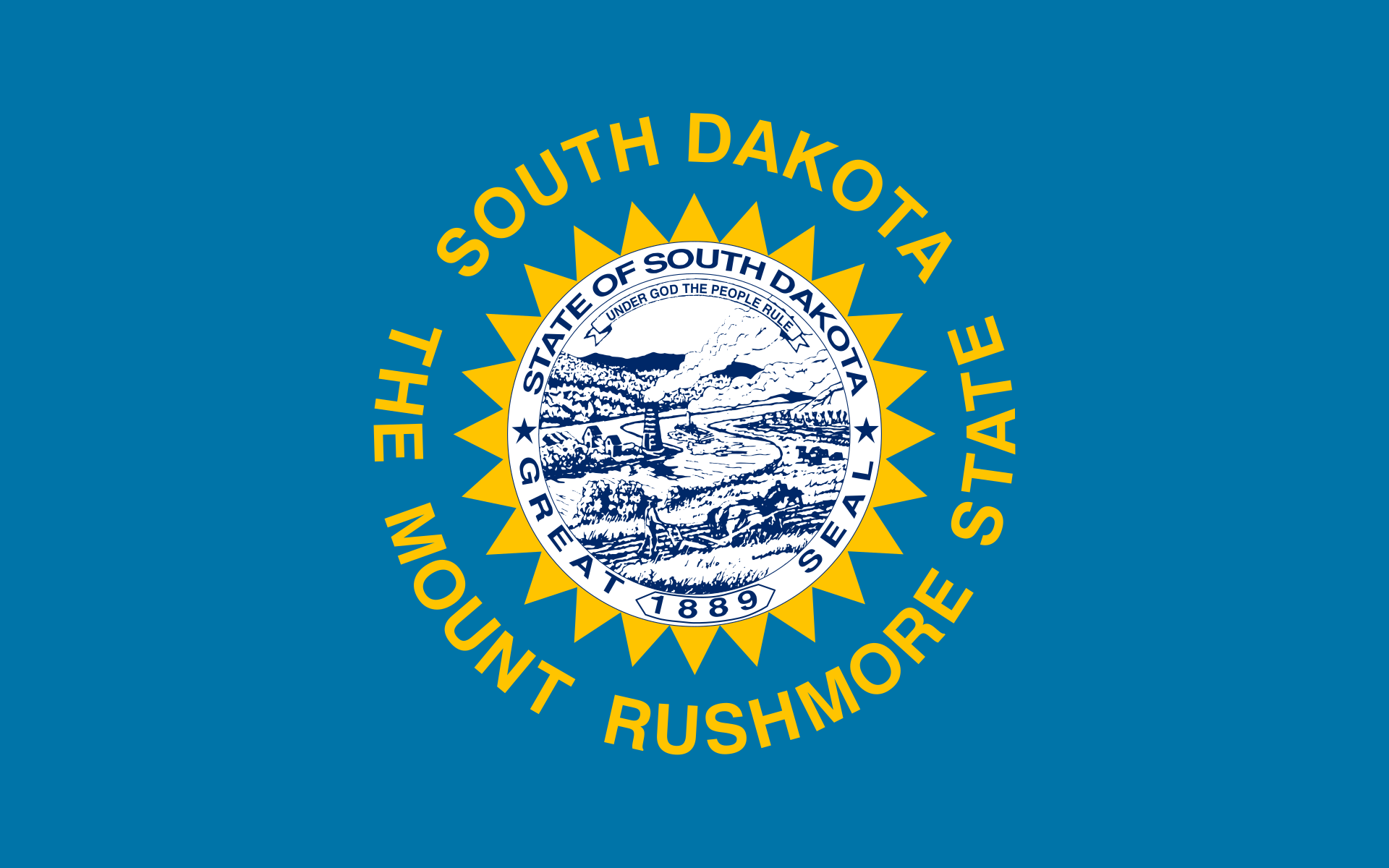
South Dakota plateChislicSummer travel traffic is the year, and the winter plan is written while the summer cash is still in the account
Financing terms on this page
Definitions for the terms used above. Every term links to its entry in the full glossary.
A loan or lease tied to a specific machine. The machine itself is the security, so approval leans on the value of the hardware more than on your bank statements.
Money for the work that turns a space into a working kitchen: plumbing, electrical, hoods, walls, and permits. It pays for labor and materials you cannot resell, so it is priced differently than money for a fryer.
A formal credit check that shows on your report and can move your score a few points. It happens only after you pick a specific lender, not to get information.
A preapproved pool of money you pull from only when you need it, then pay back and reuse. You pay for what you draw, not for the full amount sitting there.
Yes. Food service operators in South Dakota are referred for equipment financing, working capital, lines of credit, SBA loans, and buildout capital. Program availability varies by state. Merchant cash advance and other revenue-based financing structures are not offered to businesses in Texas, Virginia, or Connecticut.
How fast can a South Dakota restaurant get funded?
Short term programs commonly fund in 1 to 3 business days and equipment requests in 1 to 5. SBA financing in South Dakota runs 3 to 12 weeks.
How do Black Hills operators finance around rally week?
Inventory, staffing, and temporary capacity all have to be paid for before the crowds arrive. A short term draw taken in June and cleared in August matches the cash flow better than a long term note.
Which South Dakota cities do you serve?
All of them. Operators we work with in South Dakota run in Sioux Falls, Rapid City, Aberdeen, Brookings, Watertown, and Deadwood, along with smaller markets across the state. Underwriting reviews deposits and the use of funds, not the population of the market.
What documents do South Dakota operators need?
For the first review, just the form. If you choose a short term program, the lender usually asks for 3 to 6 months of business bank statements. SBA adds tax returns, interim financials, and a debt schedule.
Does South Dakota licensing affect financing?
Licensing affects buildout timelines and, in some transactions, collateral value. Include local permitting details in the request so a funding partner can account for them when structuring financing.
Do I need a hard credit pull to start in South Dakota?
No. Our team reviews your request and looks for a funding partner that fits without a hard credit pull. A funding partner discusses programs with you and obtains your authorization before any hard credit pull.
What is working capital, and when does it fit a South Dakota operator?
Cash for the everyday gaps, repaid out of sales on a set schedule instead of at the end of a project. Use it for payroll, inventory, a slow stretch, or a job you have to fund before the client pays you. Typical size is 10,000 to 500,000, funding runs 1 to 3 business days once you choose an offer, and you repay it as fixed daily, weekly, or monthly payment. You will be asked for: application, 3 to 6 months of bank statements.
What is equipment financing, and when does it fit a South Dakota operator?
You borrow against a specific machine, and the machine is what backs the loan. Use it when a fryer, a walk-in, an oven, or a vehicle has to be replaced and you would rather keep the cash in the account. Typical size is 5,000 to 500,000, funding runs 1 to 5 business days once you choose an offer, and you repay it as fixed monthly payment. You will be asked for: application, equipment quote, bank statements.
What is buildout and expansion, and when does it fit a South Dakota operator?
Construction money for the work that turns a space into a working kitchen, usually released in stages as the job progresses. Use it for a second location, a remodel, a patio, or a kitchen conversion, and size it to cover the permit wait, not just the build. Typical size is 50,000 to 2,000,000, funding runs 1 to 4 weeks once you choose an offer, and you repay it as fixed payment, often with a draw schedule. You will be asked for: application, contractor bids, lease, financials.
Why does the South Dakota calendar change what I should borrow?
Black Hills tourism and the Sturgis rally pack west river revenue into the summer, and Sioux Falls runs steadier all year.
What does waiting actually cost me in South Dakota?
Rally week can rival a normal month, and every dollar of that inventory and staffing is spent before the first customer arrives.
Which program do most South Dakota operators end up using?
A short term draw ahead of rally week, repaid immediately after it, costs far less than losing throughput during the only week like it. That is a starting point, not a decision. Our team reviews your deposits, time in business, and use of funds before looking for a funding partner that fits.
Does asking about financing in South Dakota affect my credit?
No. Getting information is a conversation, not an application. There is no credit application and no hard credit pull until you have picked a specific lender and want to move forward.
A location page indicates that Foody Finance is taking clients in that market. It does not represent a physical office, storefront, or licensed presence in that city or state. All services are delivered remotely by our US-based team.
Start the conversation
Send a request before you fill out an application
Start with a free, no-obligation request. Our team reviews it and looks for a funding partner that fits.