Yes. Foody Finance works with restaurants, bars, caterers, food trucks, ghost kitchens, and distributors across Kentucky. Equipment requests commonly fund in 1 to 5 business days, working capital in 1 to 3, and SBA financing in 3 to 12 weeks.
Estimates, not offers: Amounts, terms, and funding times are estimates based on programs commonly available in food service. Actual terms vary by program, lender underwriting, time in business, revenue, and credit profile. Nothing here is an offer of credit or a guarantee of approval. See source and method.
How Kentucky actually makes its money in food
01
What Kentucky actually orders
Kentucky's plate splits along old settlement lines. Louisville runs on the hot brown, a broiled turkey sandwich under mornay sauce and bacon that started at the Brown Hotel, plus bourbon-glazed everything tied to Derby season. Eastern Appalachia holds onto soup beans, cornbread, and fried bologna sandwiches at gas station counters that double as diners. Western Kentucky, around Owensboro, is barbecue country, but the meat is mutton, smoked slow and served with a vinegar-based black dip found almost nowhere else in the country. Fried chicken carries statewide weight beyond Colonel Sanders, with independent operators in Corbin and small county seats still running skillet-fried recipes predating the chain. Burgoo, a thick multi-meat stew served at church picnics and county fairs, remains a rural staple from Owensboro to Lexington. Price points stay conservative outside Louisville and Lexington, with plate lunches in small towns still priced for factory shift workers and truckers rather than tourists. Bourbon tourism has pushed fine dining margins up sharply along the Bardstown to Louisville corridor, creating a two-speed market. That split between rural value pricing and bourbon-corridor premium pricing forces uneven weekly deposits for owners running locations in both zones.
02
How bourbon, tobacco, and coal built the menu
Kentucky's restaurant ownership traces to three economies: burley tobacco farming in the Bluegrass and Pennyrile regions, coal in the eastern counties, and bourbon distilling centered on Nelson, Franklin, and Bullitt counties. German and Catholic immigrants who settled Louisville in the 1800s built the beer hall and sausage house tradition still visible in the Germantown and Butchertown neighborhoods. Coal camp commissaries in Harlan, Pike, and Letcher counties shaped the diner model that still dominates eastern Kentucky main streets, family-run, cash-focused, minimal remodeling. Fort Knox and Fort Campbell brought military families who diversified menus near Radcliff and Clarksville-adjacent Christian County. The bourbon industry's tourism boom since the 2000s converted old tobacco warehouses in Louisville's NuLu district and downtown Bardstown into restaurant space, drawing outside capital and franchise interest that never previously reached those towns. Lexington's horse industry brought seasonal wealth tied to Keeneland sale dates, supporting higher-end restaurants that coal country towns never developed. Today ownership in coal counties remains almost entirely local and family-held, while bourbon corridor properties increasingly involve out-of-state investors buying into tourism traffic. That divide means loan terms and buildout costs differ sharply between a Harlan diner and a Bardstown bistro, producing widely different equipment loads for owners entering each market.
03
The calendar that runs Kentucky kitchens
The Kentucky Derby, run the first Saturday in May at Churchill Downs, dominates Louisville's restaurant year, with Derby Week driving reservations, catering contracts, and mint julep demand that dwarfs any other week statewide. The two weeks around it require staffing levels restaurants cannot sustain the rest of the year. Keeneland's spring meet in April and fall meet in October drive a parallel surge in Lexington, filling hotels and restaurants tied to horse sales and racing crowds. College basketball season, especially University of Kentucky and University of Louisville home games from November through March, fills sports bars and wing spots on game nights and leaves them quiet midweek. The Kentucky State Fair in Louisville each August brings a concentrated week of fair food demand. Bourbon Heritage Month in September pulls distillery-adjacent restaurants along the Kentucky Bourbon Trail into a secondary peak, particularly in Bardstown and Loretto. Eastern Kentucky's calendar runs differently, tied to coal severance tax cycles and hunting season in November, which brings modest but real traffic to rural diners. Christmas and New Year's stay slow statewide outside Louisville's hotel district. These stacked, geographically separate peaks mean a single Kentucky operator often faces uneven monthly revenue depending on proximity to Derby, Keeneland, or the Bourbon Trail.
04
Who staffs Kentucky's restaurants
Family ownership dominates outside Louisville and Lexington, with second and third generation operators common in Owensboro barbecue houses and eastern Kentucky diners passed down within one family. Franchise density concentrates along interstate corridors, I-64, I-65, and I-75, where national chains cluster near exits serving long-haul trucking and tourist traffic. Louisville and Lexington carry a denser mix of independent groups, some running four or five concepts under one restaurant company, reflecting bourbon tourism capital. Labor availability varies by region: eastern Kentucky counties face population decline and an aging workforce, pushing owners toward fewer hours and cross-trained staff, while Louisville and Lexington draw workers from the University of Louisville, University of Kentucky, and a growing logistics sector around the UPS Worldport hub, which competes directly with restaurants for hourly workers. Kentucky's minimum wage sits at the federal floor, but Louisville's competitive labor market, driven by UPS's overnight shift premiums, pushes effective restaurant wages above that floor in Jefferson County. Rural counties see less wage pressure but also a smaller applicant pool, often forcing owners to cut hours rather than raise pay. Bourbon distillery visitor centers and horse farms also pull workers away from restaurant kitchens during peak tourist season. That combination of thin rural labor pools and Louisville's UPS-driven wage competition creates recurring payroll gaps during Derby and Bourbon Trail peak weeks.
05
What it costs to run a Kentucky kitchen
Commercial rent in Louisville's NuLu, Nulu-adjacent Butchertown, and Lexington's Distillery District has climbed as bourbon tourism converted industrial buildings into retail and restaurant space, while rural Kentucky main streets in Appalachia still offer inexpensive but often outdated storefronts needing electrical and plumbing upgrades before opening. Utility costs run below national averages statewide, since Kentucky draws heavily on coal and natural gas generation, keeping commercial electricity rates comparatively low, a real advantage for kitchen-heavy concepts running smokers and fryers. Insurance costs rise in flood-prone river towns along the Ohio, including Louisville, Paducah, and Owensboro, where flood zone designations add to commercial policies. Produce sourcing in Louisville and Lexington benefits from proximity to the Bluegrass region's produce auctions and Amish-run farms in counties like Casey and Green, while eastern Kentucky restaurants rely more on wholesale distribution given fewer local growers in mountainous terrain. Mutton for Owensboro-style barbecue requires specific sourcing relationships with regional sheep producers, a supply chain most national distributors do not carry, forcing smaller operators into direct relationships with farms. Bourbon itself, used widely in glazes, cocktails, and desserts, carries Kentucky's own signature excise structure that affects bar program costs more than in neighboring states. These combined regional cost gaps between coal country buildouts and bourbon corridor rents create sharply different startup capital needs depending on where in the state a concept opens.
06
Where Kentucky restaurants expand next
New restaurant growth concentrates along Louisville's outer suburbs, particularly Oldham County and the Highlands-to-St. Matthews corridor, where rooftop growth has outpaced existing dining options. Lexington's expansion follows New Circle Road development and the university-adjacent corridors near the University of Kentucky campus, drawing student-focused fast casual concepts. The Bourbon Trail's growth pattern is distinct: new restaurant openings track distillery expansions in Bardstown, Loretto, and Clermont, where tourism traffic justifies premium buildouts inside renovated historic warehouses. Northern Kentucky, across the river from Cincinnati in Covington and Newport, sees expansion driven by Ohio spillover rather than in-state demand, with restaurant groups treating it as a lower-cost extension of the Cincinnati market. Eastern Kentucky sees far less new construction, with growth instead taking the form of existing diners changing hands rather than new buildouts, reflecting population loss in coal counties like Pike and Harlan. Bowling Green, anchored by Western Kentucky University and the Corvette assembly plant, has become a steady secondary growth market with a mix of chain and independent openings tied to manufacturing employment. Historic building conversions along the Bourbon Trail cost significantly more per square foot than suburban Louisville shell space, given preservation requirements on facades and interiors. That mismatch between fast-growing suburban corridors and slow-moving historic renovations creates uneven buildout delays across the state's active growth markets.
Licensing and permitting in Kentucky, and what it costs to wait
Local health departments issue food service permits, and alcohol licensing runs through the state ABC plus local jurisdictions.
Local ABC approval on top of state licensing delays the bar revenue a bourbon corridor concept is built on, so inventory capital is timed to that approval instead of to the opening date.
What Kentucky operators finance
Bar buildouts and inventory heavy working capital lead demand.
The Kentucky revenue calendar
Derby week, bourbon trail traffic from spring through fall, and basketball season give Kentucky three distinct volume drivers.
Revenue mix and seasonality in Kentucky
Bourbon tourism supports high margin bar revenue along the corridor, Derby and festival weeks concentrate a disproportionate share of the year, and inventory has to be bought ahead of both.
What this does to your numbers
Derby week, bourbon trail traffic from spring to fall, and basketball season give you 3 separate peaks and 3 separate lulls.
What a delay costs in Kentucky
Bar inventory ties up serious money on the shelf. Building a bourbon list ahead of the season means cash sitting in bottles for months before it sells.
What underwriting looks at in Kentucky
01Bar concepts carry heavy inventory value, which changes working capital sizing
02Bourbon tourism supports higher check averages in corridor towns
03State ABC plus local jurisdiction licensing stacks two approval timelines
Which program usually fits here
Inventory heavy concepts need working capital sized to the shelf, and state plus local alcohol approval means 2 timelines to plan the opening around.
Markets we serve in Kentucky
We work with operators across Kentucky, including Louisville, Lexington, Bowling Green, Covington, Owensboro, and Bardstown. Rural and small market operators qualify for the same programs.
Derby week, bourbon trail traffic from spring through fall, and basketball season give Kentucky three distinct volume drivers
Bar concepts carry heavy inventory value, which changes working capital sizing
Acquisition, refinance, or a longer buildout
Estimates, not offers: Amounts, terms, and funding times are estimates based on programs commonly available in food service. Actual terms vary by program, lender underwriting, time in business, revenue, and credit profile. Nothing here is an offer of credit or a guarantee of approval. See source and method.
Educational only. Not an offer to lend, a commitment to fund, or a rate quote. Figures are illustrative and actual terms are set by the funding partner after underwriting. Downloading this does not create a brokerage, advisory, or fiduciary relationship with Foody Finance.
One page PDF with the Kentucky timelines table and the state plate photo
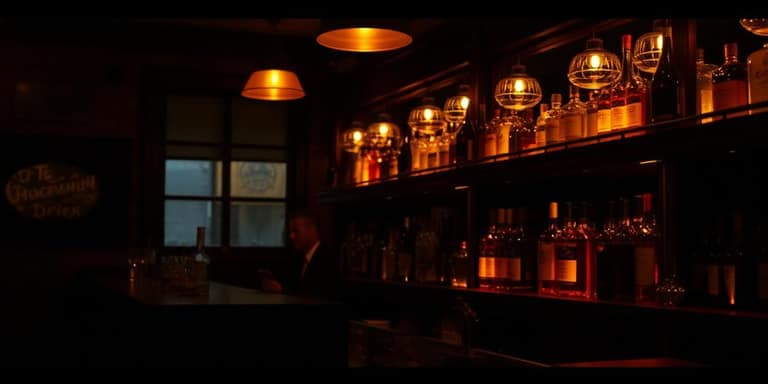
Kentucky plateHot BrownBourbon inventory ties up more capital than the kitchen does, especially in the weeks before Derby
Financing terms on this page
Definitions for the terms used above. Every term links to its entry in the full glossary.
Money for the work that turns a space into a working kitchen: plumbing, electrical, hoods, walls, and permits. It pays for labor and materials you cannot resell, so it is priced differently than money for a fryer.
A loan or lease tied to a specific machine. The machine itself is the security, so approval leans on the value of the hardware more than on your bank statements.
A formal credit check that shows on your report and can move your score a few points. It happens only after you pick a specific lender, not to get information.
A preapproved pool of money you pull from only when you need it, then pay back and reuse. You pay for what you draw, not for the full amount sitting there.
Yes. Food service operators in Kentucky are referred for equipment financing, working capital, lines of credit, SBA loans, and buildout capital. Program availability varies by state. Merchant cash advance and other revenue-based financing structures are not offered to businesses in Texas, Virginia, or Connecticut.
How fast can a Kentucky restaurant get funded?
Short term programs commonly fund in 1 to 3 business days and equipment requests in 1 to 5. SBA financing in Kentucky runs 3 to 12 weeks.
Why do Kentucky bars need larger working capital lines?
Because inventory on the back bar is capital sitting on a shelf. A bourbon focused program can tie up more money in bottles than a comparable restaurant holds in food, and that stock has to be bought before Derby week, not during it.
Which Kentucky cities do you serve?
All of them. Operators we work with in Kentucky run in Louisville, Lexington, Bowling Green, Covington, Owensboro, and Bardstown, along with smaller markets across the state. Underwriting reviews deposits and the use of funds, not the population of the market.
What documents do Kentucky operators need?
For the first review, just the form. If you choose a short term program, the lender usually asks for 3 to 6 months of business bank statements. SBA adds tax returns, interim financials, and a debt schedule.
Does Kentucky licensing affect financing?
Licensing affects buildout timelines and, in some transactions, collateral value. Include local permitting details in the request so a funding partner can account for them when structuring financing.
Do I need a hard credit pull to start in Kentucky?
No. Our team reviews your request and looks for a funding partner that fits without a hard credit pull. A funding partner discusses programs with you and obtains your authorization before any hard credit pull.
What is working capital, and when does it fit a Kentucky operator?
Cash for the everyday gaps, repaid out of sales on a set schedule instead of at the end of a project. Use it for payroll, inventory, a slow stretch, or a job you have to fund before the client pays you. Typical size is 10,000 to 500,000, funding runs 1 to 3 business days once you choose an offer, and you repay it as fixed daily, weekly, or monthly payment. You will be asked for: application, 3 to 6 months of bank statements.
What is buildout and expansion, and when does it fit a Kentucky operator?
Construction money for the work that turns a space into a working kitchen, usually released in stages as the job progresses. Use it for a second location, a remodel, a patio, or a kitchen conversion, and size it to cover the permit wait, not just the build. Typical size is 50,000 to 2,000,000, funding runs 1 to 4 weeks once you choose an offer, and you repay it as fixed payment, often with a draw schedule. You will be asked for: application, contractor bids, lease, financials.
What is equipment financing, and when does it fit a Kentucky operator?
You borrow against a specific machine, and the machine is what backs the loan. Use it when a fryer, a walk-in, an oven, or a vehicle has to be replaced and you would rather keep the cash in the account. Typical size is 5,000 to 500,000, funding runs 1 to 5 business days once you choose an offer, and you repay it as fixed monthly payment. You will be asked for: application, equipment quote, bank statements.
Why does the Kentucky calendar change what I should borrow?
Derby week, bourbon trail traffic from spring to fall, and basketball season give you 3 separate peaks and 3 separate lulls.
What does waiting actually cost me in Kentucky?
Bar inventory ties up serious money on the shelf. Building a bourbon list ahead of the season means cash sitting in bottles for months before it sells.
Which program do most Kentucky operators end up using?
Inventory heavy concepts need working capital sized to the shelf, and state plus local alcohol approval means 2 timelines to plan the opening around. That is a starting point, not a decision. Our team reviews your deposits, time in business, and use of funds before looking for a funding partner that fits.
Does asking about financing in Kentucky affect my credit?
No. Getting information is a conversation, not an application. There is no credit application and no hard credit pull until you have picked a specific lender and want to move forward.
A location page indicates that Foody Finance is taking clients in that market. It does not represent a physical office, storefront, or licensed presence in that city or state. All services are delivered remotely by our US-based team.
Start the conversation
Send a request before you fill out an application
Start with a free, no-obligation request. Our team reviews it and looks for a funding partner that fits.