Back to LocationsAll 50 states
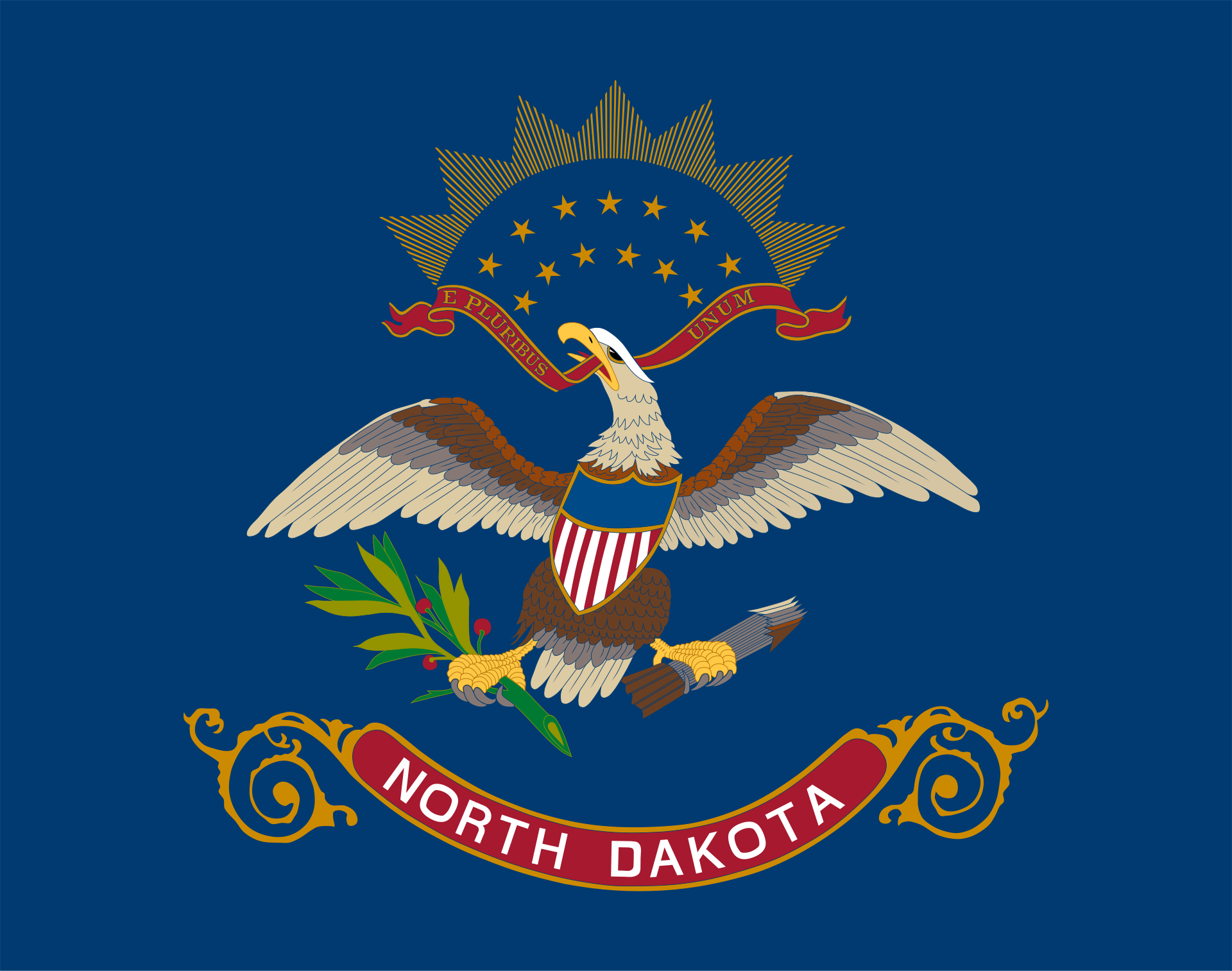
Flag of North Dakota

ND coverage

RESTAURANT AND FOOD SERVICE FINANCING IN NORTH DAKOTA

North Dakota operators serve compact markets where a single kitchen often covers restaurant, catering, and delivery demand.

Flag of North Dakota. Public domain, via Wikimedia Commons.

Can food businesses in North Dakota get financing?

Yes. Foody Finance works with restaurants, bars, caterers, food trucks, ghost kitchens, and distributors across North Dakota. Equipment requests commonly fund in 1 to 5 business days, working capital in 1 to 3, and SBA financing in 3 to 12 weeks.

Estimates, not offers: Amounts, terms, and funding times are estimates based on programs commonly available in food service. Actual terms vary by program, lender underwriting, time in business, revenue, and credit profile. Nothing here is an offer of credit or a guarantee of approval. See source and method.

How North Dakota actually makes its money in food

01

What North Dakota actually orders

Knoephla soup, a German-Russian potato and dumpling dish, sits on menus statewide from Fargo diners to Bismarck cafes, a direct legacy of the state's dominant ethnic settlement pattern. Fleischkuechle, a fried meat pastry, shows up at church suppers and county fairs from Dickinson to Grand Forks. Bison burgers appear on menus near Theodore Roosevelt National Park and the Badlands, priced above standard beef to reflect the smaller supply chain. Fargo's Broadway corridor supports a denser concentration of independent coffee shops and brunch spots than any other city in the state, driven by a young workforce tied to health care and financial services employers. Bismarck's state government workforce supports a steady weekday lunch trade that dries up on weekends far more than in Fargo. Walleye and other freshwater fish from Devils Lake and the Missouri River reservoir system feed a supper club tradition that runs strongest on Friday nights statewide. Oil field towns in the Bakken region like Williston and Watford City support 24 hour diners and truck stop food service built around rotating shift schedules rather than typical meal times. A menu built for Fargo's white collar lunch crowd does not translate to Williston's shift-worker clientele, and that mismatch forces operators expanding across the state to redesign hours and portion sizes rather than simply opening a second location.
02

The history that built the food economy

German-Russian immigrants who settled the south-central plains in the 1880s and 1890s brought the dumpling and cabbage dishes that still define home cooking and church fundraiser menus across the state. Norwegian and Scandinavian settlers concentrated in the Red River Valley around Fargo and Grand Forks, and lutefisk suppers still run every winter in Lutheran church basements there. The Great Northern and Northern Pacific railroads built Fargo, Bismarck, and Minot as division points, and the depot-town grid still shapes where downtown restaurant districts sit today. Wheat farming built the state's original food processing economy, and Fargo remains a hub for agricultural equipment and grain trading firms whose employees fill lunch counters downtown. The Bakken oil boom starting around 2008 brought a wave of transient workers into Williston, McKenzie County, and the surrounding oil patch, and restaurant ownership there skews toward operators who arrived during the boom and stayed after prices cooled. Air Force presence at Grand Forks and Minot Air Force Bases has supported steady franchise development in both cities for decades. Native nations including the Standing Rock Sioux and the Turtle Mountain Band of Chippewa operate casino and hospitality food service that anchors reservation-area economies. Ownership in farm towns remains family-based and multi-generational, while Bakken-region ownership is newer and more debt-financed, a difference that shows up in who can absorb a slow month.

03

The calendar that carries the year

The North Dakota State Fair in Minot in July draws the single largest concentrated food service week in the state. Harvest season from August through October drives farm town restaurant traffic as combine crews and grain elevator workers eat on tight, irregular schedules. Winter from November through March depresses walk-in traffic statewide as sustained sub-zero stretches keep commuters home, and many small-town cafes cut hours or close on the coldest weeks. Norsk Hostfest in Minot each October brings a Scandinavian-heritage crowd that fills hotels and restaurants for a single concentrated week. Bison football season at NDSU in Fargo from August through the FCS playoffs in December drives bar and restaurant traffic on Saturdays that dwarfs any other weekly pattern in the city. Ice fishing season on Devils Lake from December through February supports a niche but reliable winter tourism trade for lake-area restaurants that would otherwise go quiet. United Tribes International Powwow in Bismarck each September draws visitors from across the northern plains. The oil patch does not follow a seasonal calendar at all, running production and food service on a steady schedule tied to drilling activity rather than weather or tourism. A Fargo operator plans around a single fall football surge while a Devils Lake operator plans around a winter fishing surge, and the state's short growing season compresses harvest-driven farm town revenue into eight to ten weeks that must cover slower months.

04

Who runs the restaurants

Family ownership dominates outside the three largest cities, with cafes and supper clubs in towns like Jamestown, Dickinson, and Devils Lake often run by the same family for two or three generations. Fargo and Bismarck support a growing number of independent group operators tied to the two cities' expanding health care and finance sectors. Franchise density is heaviest along Fargo's 13th Avenue corridor and Bismarck's Century Avenue, where national chains cluster around highway retail. North Dakota's minimum wage sits at the federal floor, and the state's historically low unemployment rate, tied to energy and agriculture employment, makes hourly staff harder to find and retain than the wage floor alone would suggest. The Bakken oil patch created acute staffing competition years ago when energy jobs paid far more than food service could match, and restaurants in Williston and Watford City still struggle to compete with oilfield wages during active drilling periods. Rural towns face a shrinking working-age population as young people move to Fargo or out of state, leaving small-town cafes dependent on retirees and high schoolers for staffing. Native American-owned casino food service on reservation land operates under a separate regulatory and staffing structure than off-reservation restaurants. That combination of a shrinking rural labor pool and energy-sector wage competition creates payroll gaps that widen every time drilling activity picks back up in the west.

05

What it costs to operate here

Commercial rent in Fargo and Bismarck remains low relative to national averages, but Williston and Watford City saw rent and construction costs spike sharply during peak Bakken drilling years and have only partially come back down. Xcel Energy and rural electric cooperatives serve most of the state at rates below the national average, giving operators a real utility advantage, though propane and heating costs in a state with sustained sub-zero winters add a seasonal expense many warmer-climate operators never budget for. Beef and wheat-based ingredient costs benefit from proximity to the state's own agricultural production, but produce and any fresh item outside of what the growing season supports must be trucked in from Minneapolis or further, adding a freight cost layer that grows in winter when road conditions slow delivery. Insurance costs in oil patch counties carry higher liability premiums tied to the transient workforce and heavy truck traffic. Property costs in the Bakken region remain volatile, tracking oil price cycles rather than the broader state economy, so a lease signed during a drilling upswing can look expensive within a year of a price downturn. Labor cost pressure from energy sector wage competition pushes restaurant payroll above what the low state minimum wage would suggest, and heating and freight costs together create a winter expense spike that catches operators budgeting off a flat annual average off guard.

06

Where the state is expanding

New restaurant growth concentrates in Fargo's south side and West Fargo, where residential subdivisions have expanded steadily for over a decade and support both franchise and independent openings. Bismarck's north side has seen similar retail-anchored growth tied to state government and health care employment stability. Grand Forks growth ties closely to the University of North Dakota calendar and to Grand Forks Air Force Base family housing demand. Williston has stabilized after the sharpest boom years, and new food service investment there now targets a permanent workforce rather than the transient crews of the early 2010s, a shift that has made lenders and landlords more cautious about repeating that earlier volatility. Minot's growth ties to both Minot Air Force Base and to its role as the regional hub for northwestern North Dakota, pulling customers from a wide rural radius. Dickinson, at the edge of the Bakken, continues to add franchise units serving both oil field traffic and the growing tourist flow to Theodore Roosevelt National Park. Buildout timelines statewide run faster than coastal states due to lighter permitting bureaucracy, but harsh winters compress the outdoor construction season to roughly April through October. That short construction window means any project that misses an early spring start date faces buildout delays that push the opening into the following year's calendar.

Licensing and permitting in North Dakota, and what it costs to wait

The Department of Health and local district health units license food establishments.

A short construction season means a missed inspection pushes an opening to the following year, so equipment and buildout capital are secured before the ground freezes.

What North Dakota operators finance

Equipment and vehicle financing lead.

The North Dakota revenue calendar

Winter is long and volume dependent on delivery and event catering, and the summer months carry a short, intense patio and festival run.

Revenue mix and seasonality in North Dakota

Energy and agriculture payrolls set how much discretionary spending sits in the market, Fargo and Grand Forks add university calendars, and winter months run on volume rather than check average.

What this does to your numbers

Winter is long and leans on delivery and event catering, and the summer patio and event window is short and intense.

What a delay costs in North Dakota

Distance from distribution hubs stretches equipment lead times, so a replacement ordered in the middle of your short season arrives after it.

What underwriting looks at in North Dakota

  • 01Energy sector payrolls in the west swing local demand with commodity cycles
  • 02Extreme winter raises heating cost and suppresses walk in traffic
  • 03Equipment lead times run longer given distance from distribution hubs

Which program usually fits here

Buy and finance ahead of the season, and treat energy sector swings as a reason to keep credit available rather than fully drawn.

Markets we serve in North Dakota

We work with operators across North Dakota, including Fargo, Bismarck, Grand Forks, Minot, West Fargo, and Williston. Rural and small market operators qualify for the same programs.

FargoBismarckGrand ForksMinotWest FargoWilliston
Food service operation in North Dakota
Illustrative image generated with AI.
North Dakota outline. Boundary data: US Census Bureau cartographic boundary files, public domain. Simplified for display.

Free review, no hard credit pull

Get funds now and review your options

Step 01 of 03 · Your operation

A specialist reviews every request and reaches out the same business day

Typical North Dakota timelines
 Working capitalEquipmentSBA
Time to funding1 to 3 business days1 to 5 business days3 to 12 weeks
Documents3 to 6 months of bank statementsEquipment quote plus statementsTax returns, financials, debt schedule
Common use in this stateWinter is long and volume dependent on delivery and event catering, and the summer months carry a short, intense patio and festival run.Energy sector payrolls in the west swing local demand with commodity cyclesAcquisition, refinance, or a longer buildout

Estimates, not offers: Amounts, terms, and funding times are estimates based on programs commonly available in food service. Actual terms vary by program, lender underwriting, time in business, revenue, and credit profile. Nothing here is an offer of credit or a guarantee of approval. See source and method.

One page PDF with the North Dakota timelines table and the state plate photo.

North Dakota plateKnoephla soupSmall markets and long winters make steady cash timing more important than headline funding speed.

Financing terms on this page

Definitions for the terms used above.

check average
What a single ticket rings up on average. Two rooms with the same cover count and different check averages are two different businesses to a lender.
equipment paper
A loan or lease tied to a specific machine. The machine itself is the security, so approval leans on the value of the hardware more than on your bank statements.
working capital
Cash for the everyday gaps: payroll, inventory, rent, and repairs. It is repaid out of daily or weekly sales rather than from one big event.
line of credit
A preapproved pool of money you pull from only when you need it, then pay back and reuse. You pay for what you draw, not for the full amount sitting there.
draw
Taking money out of an approved line or loan. Draws tied to construction milestones mean you only start paying interest on each piece as you use it.
hard credit pull
A formal credit check that shows on your report and can move your score a few points. It happens only after you pick a specific lender, not to get information.
SBA loan
A bank loan partly guaranteed by the Small Business Administration. Lowest cost of the options, longest paperwork, and the slowest to fund.
buildout capital
Money for the work that turns a space into a working kitchen: plumbing, electrical, hoods, walls, and permits. It pays for labor and materials you cannot resell, so it is priced differently than money for a fryer.
underwriting
The lender reading your numbers to decide how much risk you are. Bank statements, time in business, and existing debt carry the most weight.
covers
The number of guests served. Lenders pair it with check average to judge how reliable a month really is.
merchant cash advance
You sell a slice of future card sales for cash today. Fastest money available, and the most expensive, so it fits an emergency rather than a plan.
term
How long you have to repay. A longer term lowers the monthly payment and raises what the money costs in total.
commissary
A licensed production kitchen used to prep off site, most often by trucks and catering operations. It carries its own rent, equipment, and permits.
collateral
Something the lender can take back if the loan is not repaid, usually the equipment being financed. More collateral generally means a lower cost.

North Dakota financing questions

Can I get restaurant financing in North Dakota?

Yes. Every Foody Finance program is available to food service operators in North Dakota, including equipment financing, working capital, lines of credit, SBA loans, and buildout capital.

How fast can a North Dakota restaurant get funded?

Short term programs commonly fund in 1 to 3 business days and equipment requests in 1 to 5. SBA financing in North Dakota runs 3 to 12 weeks.

How do North Dakota operators cover the winter months?

With capital arranged in the fall, sized against summer revenue. The alternative is applying in February with three weak months on the statements, which is a worse position for the same business.

Which North Dakota cities do you serve?

All of them. Operators we work with in North Dakota run in Fargo, Bismarck, Grand Forks, Minot, West Fargo, and Williston, along with smaller markets across the state. Underwriting reviews deposits and the use of funds, not the population of the market.

What documents do North Dakota operators need?

For the first review, just the form. If you choose a short term program, the lender usually asks for 3 to 6 months of business bank statements. SBA adds tax returns, interim financials, and a debt schedule.

Does North Dakota licensing affect financing?

Licensing affects buildout timelines and, in some transactions, collateral value. We factor local permitting into how a North Dakota request is structured.

Do I need a hard credit pull to start in North Dakota?

No. The first conversation is a review of your situation and the programs you likely qualify for. A hard pull only happens once you choose a specific lender and submit their application.

What is equipment financing, and when does it fit a North Dakota operator?

You borrow against a specific machine, and the machine is what backs the loan. Use it when a fryer, a walk-in, an oven, or a vehicle has to be replaced and you would rather keep the cash in the account. Typical size is 5,000 to 500,000, funding runs 1 to 5 business days once you choose an offer, and you repay it as fixed monthly payment. You will be asked for: application, equipment quote, bank statements.

What is working capital, and when does it fit a North Dakota operator?

Cash for the everyday gaps, repaid out of sales on a set schedule instead of at the end of a project. Use it for payroll, inventory, a slow stretch, or a job you have to fund before the client pays you. Typical size is 10,000 to 500,000, funding runs 1 to 3 business days once you choose an offer, and you repay it as fixed daily, weekly, or monthly payment. You will be asked for: application, 3 to 6 months of bank statements.

What is business line of credit, and when does it fit a North Dakota operator?

An approved limit you pull from only when you need it, then repay and reuse. Use it for a season you can see coming, so you draw before the peak and pay it back out of the peak. Typical size is 10,000 to 250,000, funding runs 2 to 7 business days once you choose an offer, and you repay it as interest on the drawn balance only. You will be asked for: application, bank statements.

Why does the North Dakota calendar change what I should borrow?

Winter is long and leans on delivery and event catering, and the summer patio and event window is short and intense.

What does waiting actually cost me in North Dakota?

Distance from distribution hubs stretches equipment lead times, so a replacement ordered in the middle of your short season arrives after it.

Which program do most North Dakota operators end up using?

Buy and finance ahead of the season, and treat energy sector swings as a reason to keep credit available rather than fully drawn. That is a starting point, not a decision. The specialist review looks at your deposits, your time in business, and what the money is for before anything is recommended.

Does asking about financing in North Dakota affect my credit?

No. Getting information is a conversation, not an application. There is no credit application and no hard credit pull until you have picked a specific lender and want to move forward.

Start the conversation

Talk to a specialist before you fill out an application.

Start with a free, no-obligation review. We will send the right application only after we know what you actually qualify for.

Start a free review

Prefer to call

(833) 505-1900